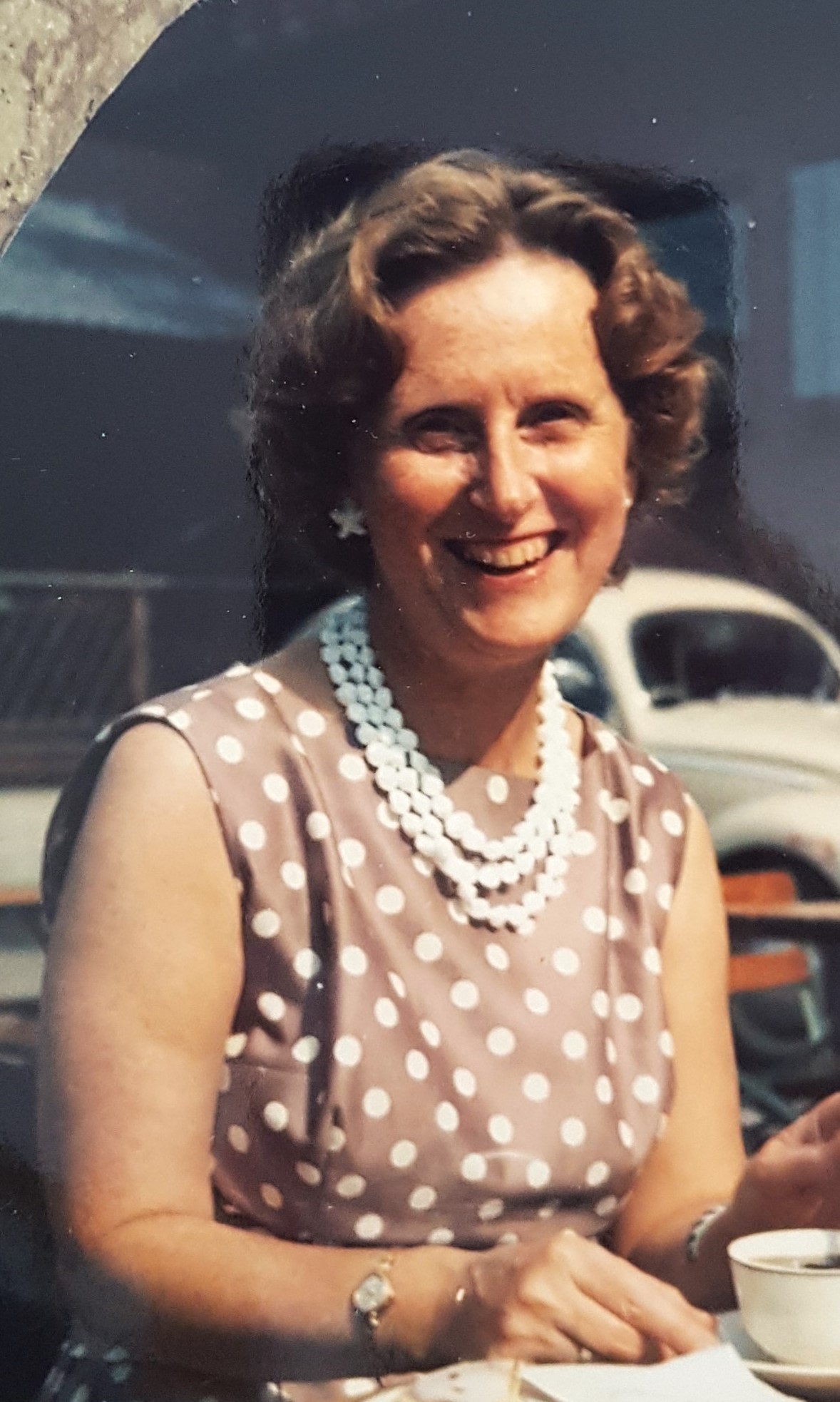
When I was little, the stories I loved to hear the most, were the stories my grandmother Edna told me about her childhood in China.
She used to tell about her dangerous escape from the Swedish school on the mountain of Kikungshan, when foreigners were persecuted in China, and how she and her best friend and roommate Sigrid put on all the clothes they had, so that their parents would not have to buy new clothes if they could not return to the school again. In a way these layers of clothes became a hinderance as it was harder to move quickly with the arms and legs all stiffened by fabric, “but on the other hand”, my grandmother winked at me, “Sigrid and I were the only ones not freezing in the open train wagons we had to travel in, once down from the mountain…”
My grandmother always saw two sides of the same coin, and she gave me lots to think about with her stories. How would I have reacted in the same situation? Would I have tried to please my parents, or just gotten out of there as fast as possible?
Or, when she told me about the robbers that came knocking at the mission station – well, they did not really knock, they barged in. She thought it was very clever how the Chinese employee hid Edna’s mother Olga in the pantry and started to serve the intruders food – because a “full stomach equals a happy heart!” Olga crawled as far in under the pantry shelves as possible and hid behind a big jute bag of flour. It probably saved her life. I wonder if I would have stayed in the country after such an experience. Would you have?
The stories granny Edna told me, make out a whole parallell world during my childhood. They are stories from another realm, a distant land with people I could never imagine to meet. And they are stories that show what people can do, if they believe that what they are doing is the right thing.
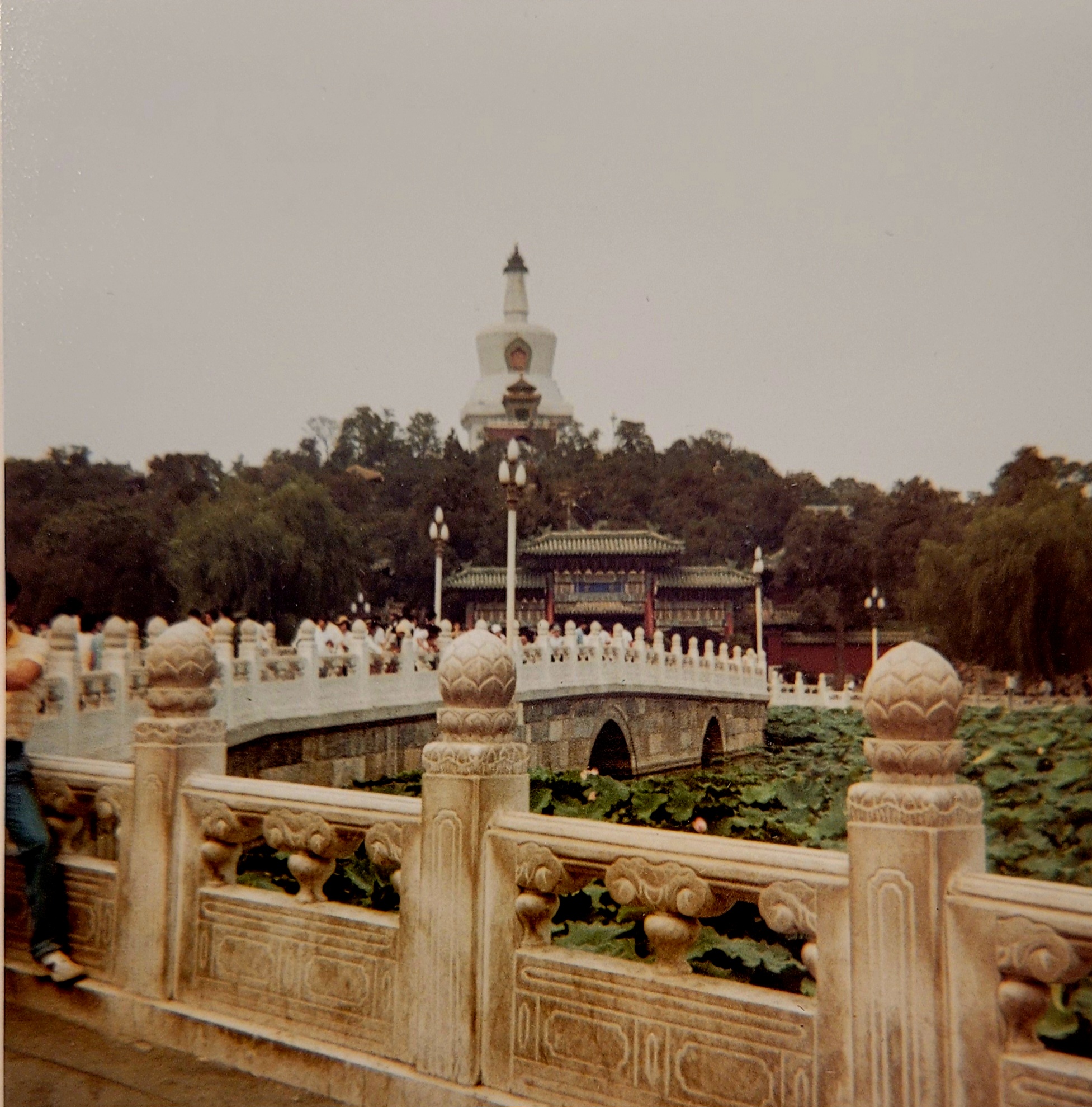
I always wanted to go to China to see it for myself, but as a child I never thought it would actually happen. As it turns out, it became reality in 1983. My mother took us to there. She had studied Chinese and worked as a translator. She had been to Nanjing University and now she wanted to go back to visit her friends and take us on the Transibirian railway to this, for me still very mystical, land.
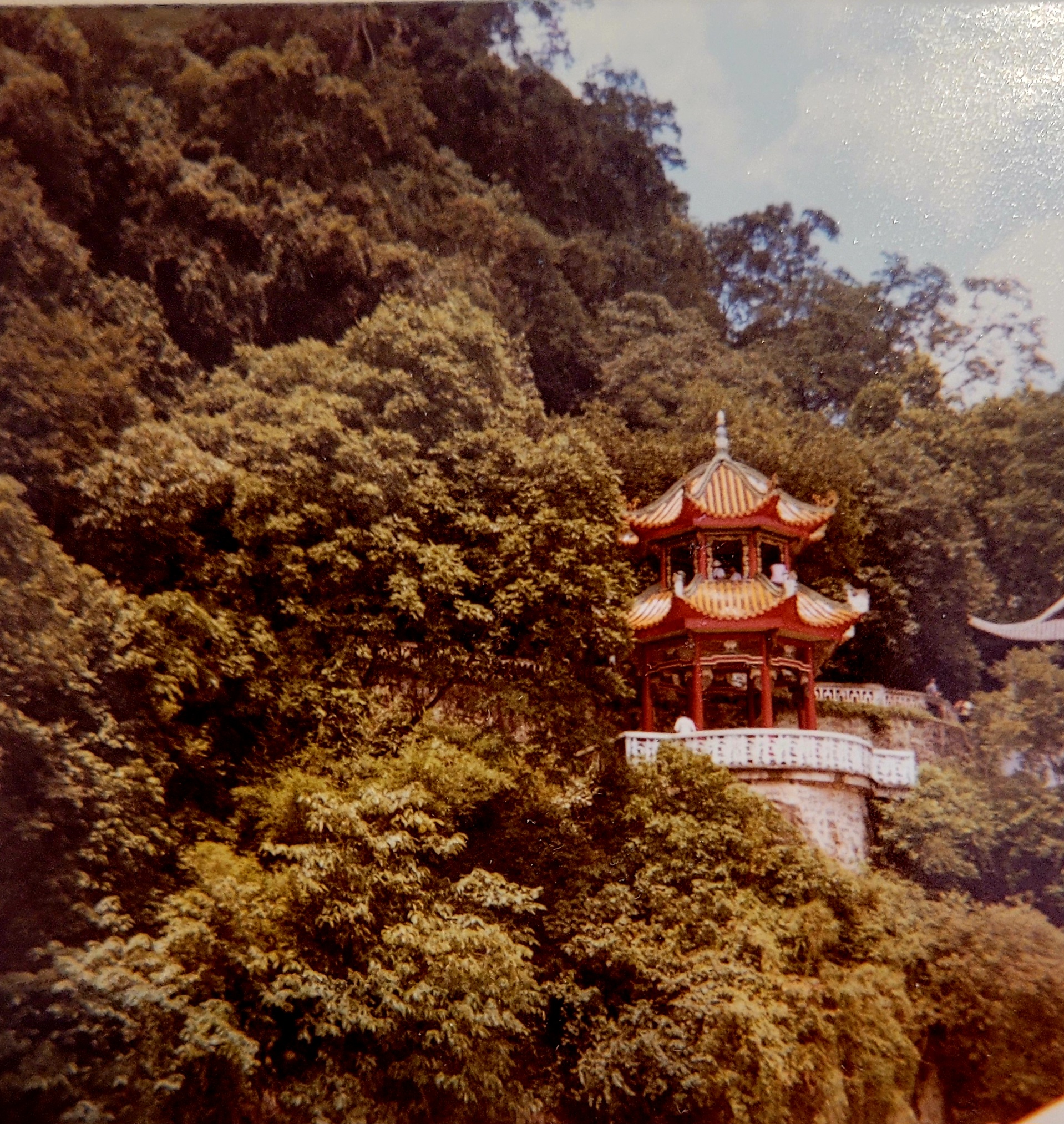
Of course it was very different from the stories my grandmother had told me. But I still had the feeling I had been there before. It felt as if China was part of my dna, and I simply loved it. We did not visit any of the old mission stations in Shaanxi or Shanxi, or even the Kikungshan mountain. I don’t think my mother knew where any of these places were. But I got to go on trains in China, I got to visit several cities, meet her lovely Chinese friends and see a lot of beautiful scenery, and I remember it all very well.
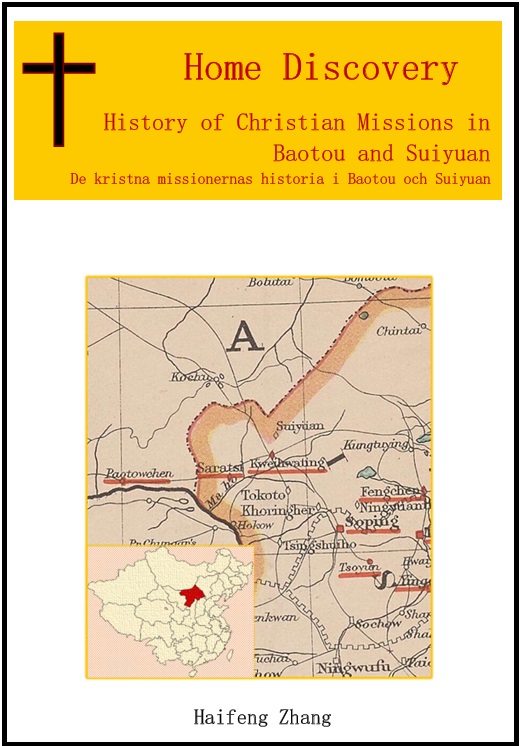
I thought about this as I was reading the preface of Haifeng Zhang’s book about Swedish missionaries in Suiyuan. My grandfather’s sister Dagny-Edla was a missionary in Baotou and is one of the missionaries described in his book. Haifeng writes that he, like me, started to become interested in this history as a child:
“When I was a child, I often heard stories from my grandfather about foreign missionaries who came from other countries to live and preach in the church in Baotou. At that time, it was a novelty to hear about these things, and it was even a bit incomprehensible. Now I vaguely remember how hard-working and kind those missionaries were, and how much they inspired the lives of the people. Hearing that they were all from Sweden made me wonder why Sweden? A distant and unfamiliar country, a country I had not the slightest idea of in my mind back then.”
It turned out that Haifeng’s grandfather had met Dagny-Edla in this very church. Thus our lives came to cross because of these two people from opposite parts of the world, meeting in a chapel in China… And our respective curiosity and desire to pass this intriguing part of our common history on to the next generation has resulted in both of us writing about it.
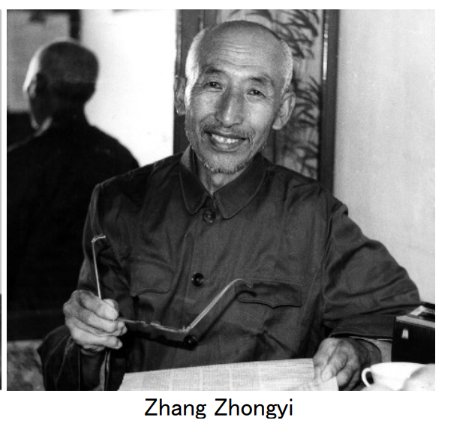
It was Haifeng who found me through this blog, for which I am very happy. He kindly sent me his book, and through reading it, I understand so much more about the context in which Dagny-Edla worked in Baotou. The photos included in the book give structure and form to what I have previously just imagined. I have now gotten to see what Baotou looked like, its chapel and its gates, and I have seen the interior of one of those train wagons my grandmother used to tell me about, where they slept on the floor, chickens and goats mixing with children and big bundles of bagage wrapped in fabric.
These photos are from Haifeng’s book, with permission.
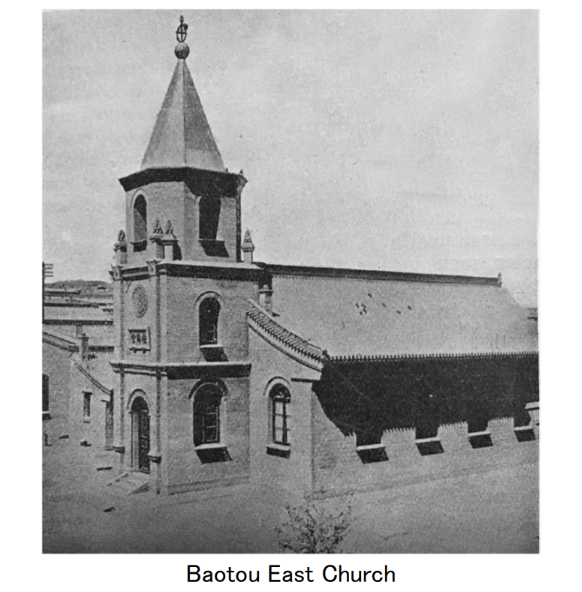
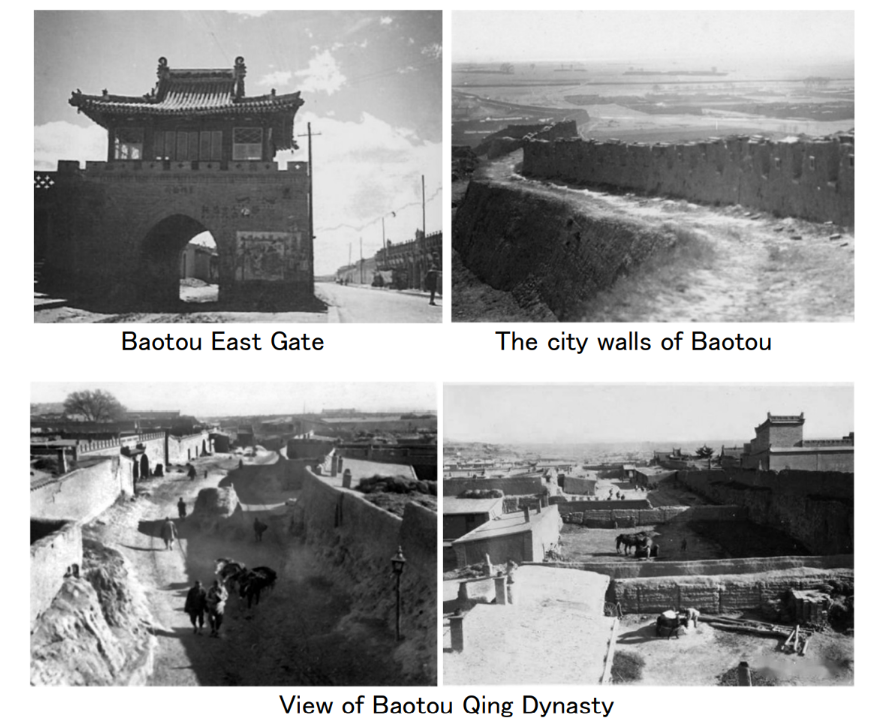
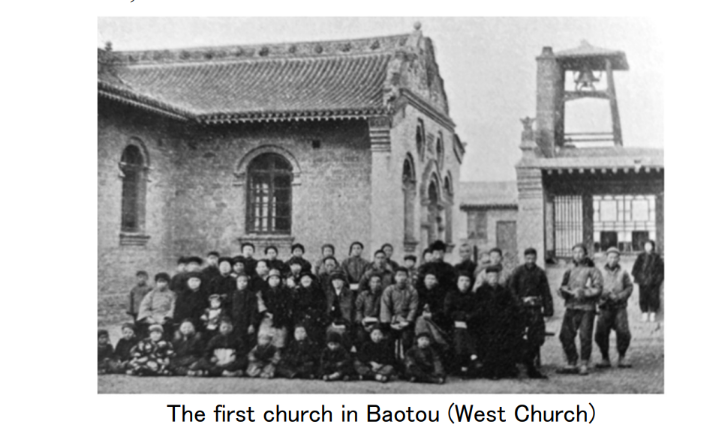
I don’t know if Dagny-Edla took photos when she was in China. But she is present in the photos from my great grandparents. When she came to visit, they brought out the camera, though I have not seen any photo from her time in Baotou.
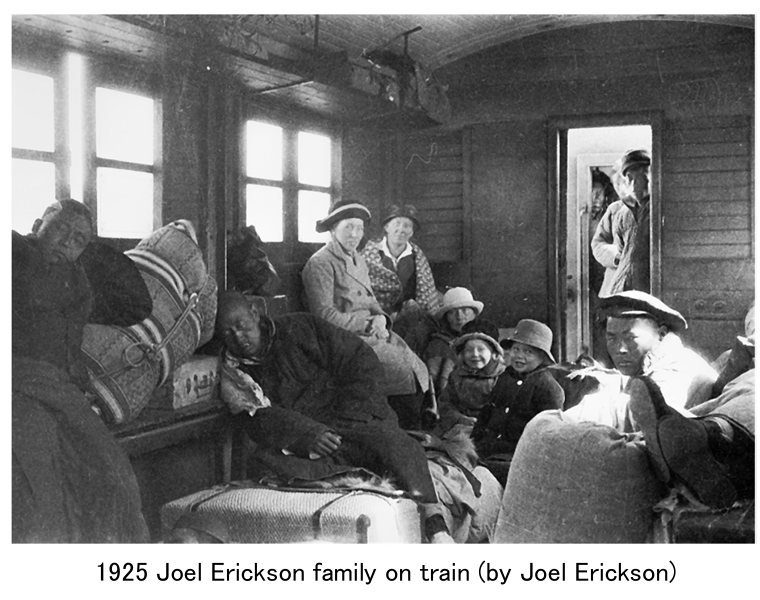
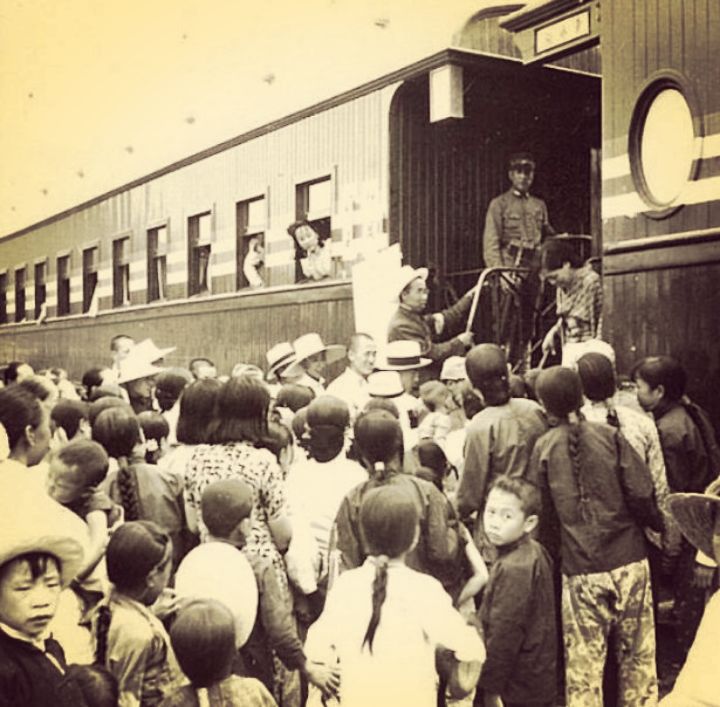
We are some descendants from missionaries that are interested in learning more about missionary history in general, and our own relatives in particular, and I am both baffled and humbled by this unexpected help from the other side of this ever unfolding story ❤️.
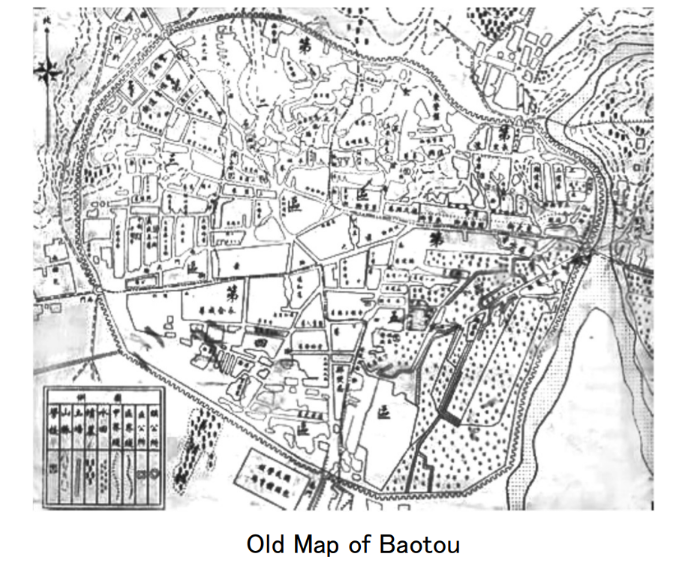
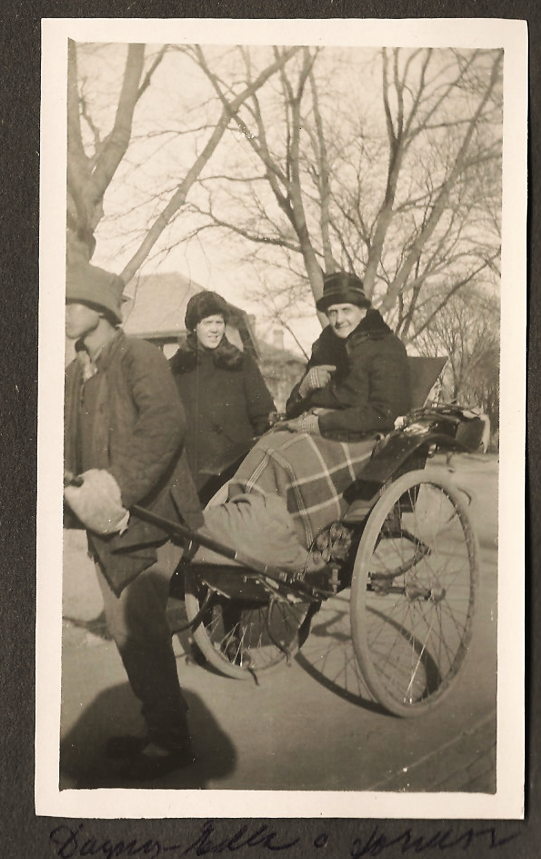


I didn’t realize you’d taken a trip to China. It must have been so exciting and enlightening for you! How wonderful that Haifeng found you through your blog and reached out.
LikeLiked by 1 person
Hi Liz! Yes, it was such an adventure! I was only 11 years old, but I remember everything vividly. Now, I wish I could go back and visit the missionary stations as well, it would be so interesting to see what is left. Of course, much is gone, but I know there are places where time has stood somewhat still 🙂
It is truly amazing that Haifeng reached out – I will soon publish another post with some more information that he helped me with. Such a generous and knowledgeable person!
LikeLiked by 1 person
How wonderful, Thérèse, to ‘meet’ someone from across the globe in a mutual interest that in the grand scheme of things is a tiny detail in history but in a more particular sense plays an important role in ones family narrative. The powers of the internet! It must have been exiting to read about the stories told from another view, another perspective perhaps. The pictures in the book really do add to what one can imagine. It’s a big world and at the same time a small world when people meet and look into each others eyes and see what we are: people.
LikeLiked by 2 people
Thank you, Peter! I love how you described this, and you are so right! This truly is the magic of internet, because it makes things like this happen – we are certainly not confined to our own “small” world, but connected all over the globe – if we want to be. I am so very happy for all the interaction my tiny endeavour – in the big scope of things – has enabled. 🙏
LikeLiked by 1 person
It is very good to see that you have mentioned me and quoted me here, and it is very interesting to recover the history of the Swedish missionaries in Suiyuan. In the last twenty years, many descendants of missionaries have come to visit Suiyuan. I hope that you will have a chance to come back to Beijing and return to your hometown in Suiyuan.
We’re actually very close to each other.
LikeLiked by 1 person
I hope so too, Haifeng, it would be very interesting to come to China and Suiyuan.
Thanks again for the work you are doing, recovering the history of the Swedish missionaries in China. It is truly a history worth preserving. 🌞
LikeLiked by 1 person
Wow! This is so awesome and cool! I love how Haifeng found you through your blog. Also it was fun seeing all the photos!😀
LikeLiked by 1 person
Thanks! Yes, it is really wonderful how having this blog has made it possible to connect across the world! 💛
LikeLiked by 1 person
Haifeng’s grandfather looks like a very kind and intelligent man.
LikeLiked by 1 person
I agree, Brad. Such kind eyes!
LikeLiked by 1 person
Good post.I subscribed. Have a happy weekend🍀☘️
LikeLiked by 1 person
Thank you! I’m happy you liked it! 🙏
LikeLike