What’s in a place? For missionaries, a place could not possibly just be geography – it was an opportunity – to fulfil their calling and to save as many souls as possible. Beyond the obvious mission work, the places where they lived also meant community, family and home. Each mission station carried its own stories of challenges and encounters, and for my relatives, these places shaped both their daily lives and their sense of purpose.
Through my years of researching the history of Dagny, Robert, Olga and Nils, I have met other descendants of missionaries who have confirmed the significance of place. Often, when we talk about our respective relatives in China, one of the first questions is always about place. “Where did your relatives work? Which stations did they stay at?” That is how we identify whether our relatives knew each other, shared experiences, and were “family away from home”.
In fact, I find it quite intriguing to meet others who share this family background – it is almost as if the experience of being descendants missionaries bind us together, even though we are generations removed from the actual events. We share a bond – an experience that has seeped through the generations – at least among those of us who have been interested in understanding what our relatives went through. Personally, I think it is almost impossible not to be intrigued by their lives, their dedication, their lust for adventure and their stamina. And of course I also think some of it has certainly been passed down to my generation and even my children’s.
Thus, when I look at the map of Shanxi, Shaanxi and Henan, where the Swedish Mission in China was mostly active, the mission stations are not just names of towns. They are markers of where my relatives lived, worked, and built relationships – where they learned Chinese, started schools, celebrated weddings, and mourned losses. To understand their lives, I have to follow them from place to place. I imagine how they rode donkeys and horses over rivers and mountains and stayed at very poor inns, fighting bugs in the summer and freezing through the nights in the winter. My great grandfather Nils even rode a bike to outstations, far away from his main mission station, to preach in tents so that as many Chinese as possible could take part in his sermons. The travels were lined with dangers. They had to endure robberies, stabbings, getting stuck in muddy roads and being banned from entering certain towns. But they kept going, as we humans do when we truly believe in something.
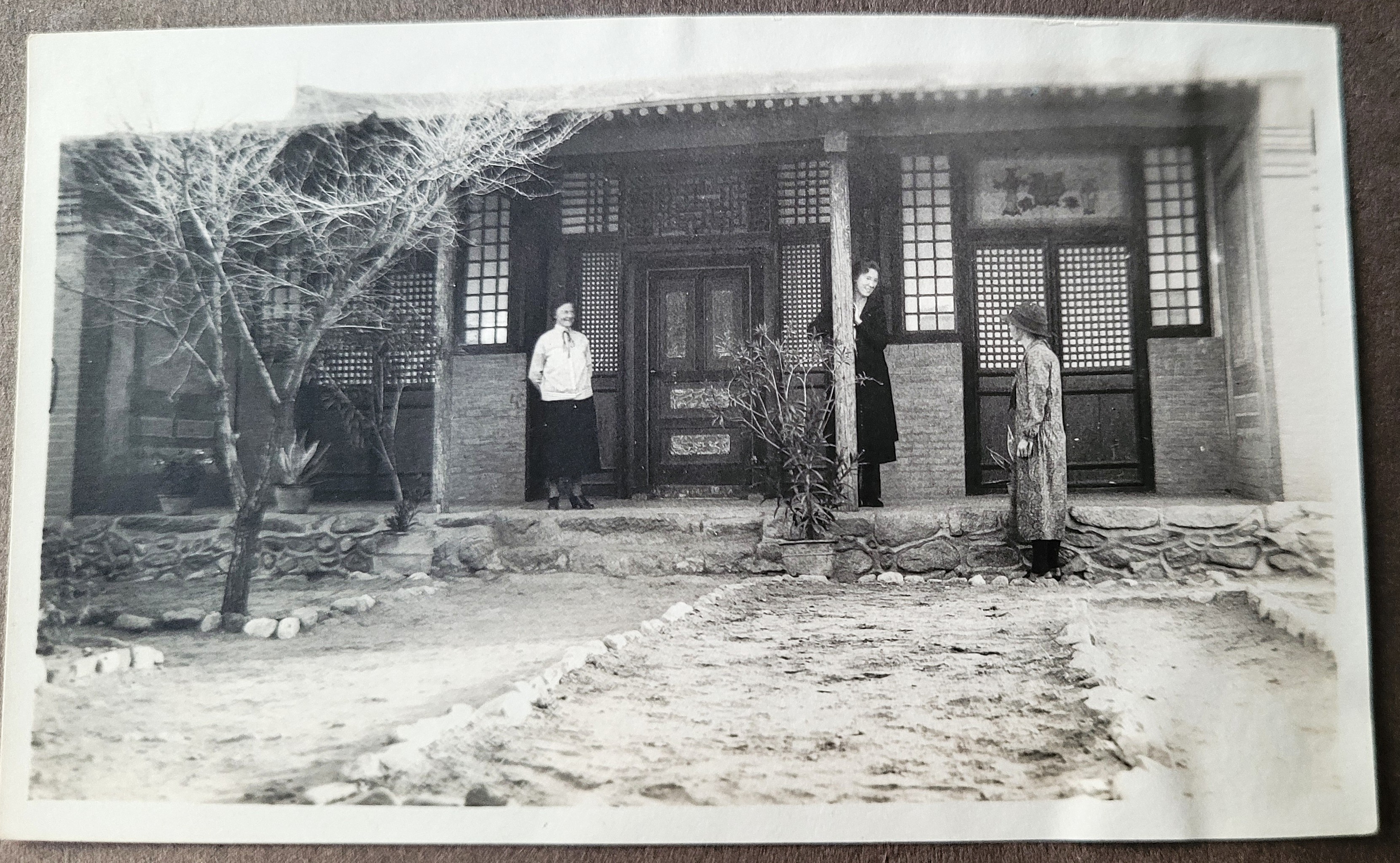
Looking through my photo albums, the photos of the mission stations are not many, but they exist. I wanted to put these places “on the map”, by listing the stations my relatives worked at, and combining that with the photos I have found.
Anyone among you readers, who has photos from these very stations, or stories from your relatives being active there, are more than welcome to contact me so that together, we can paint a fuller picture of what it must have been like: what it looked like, and who was active where and when.
The map and its meaning
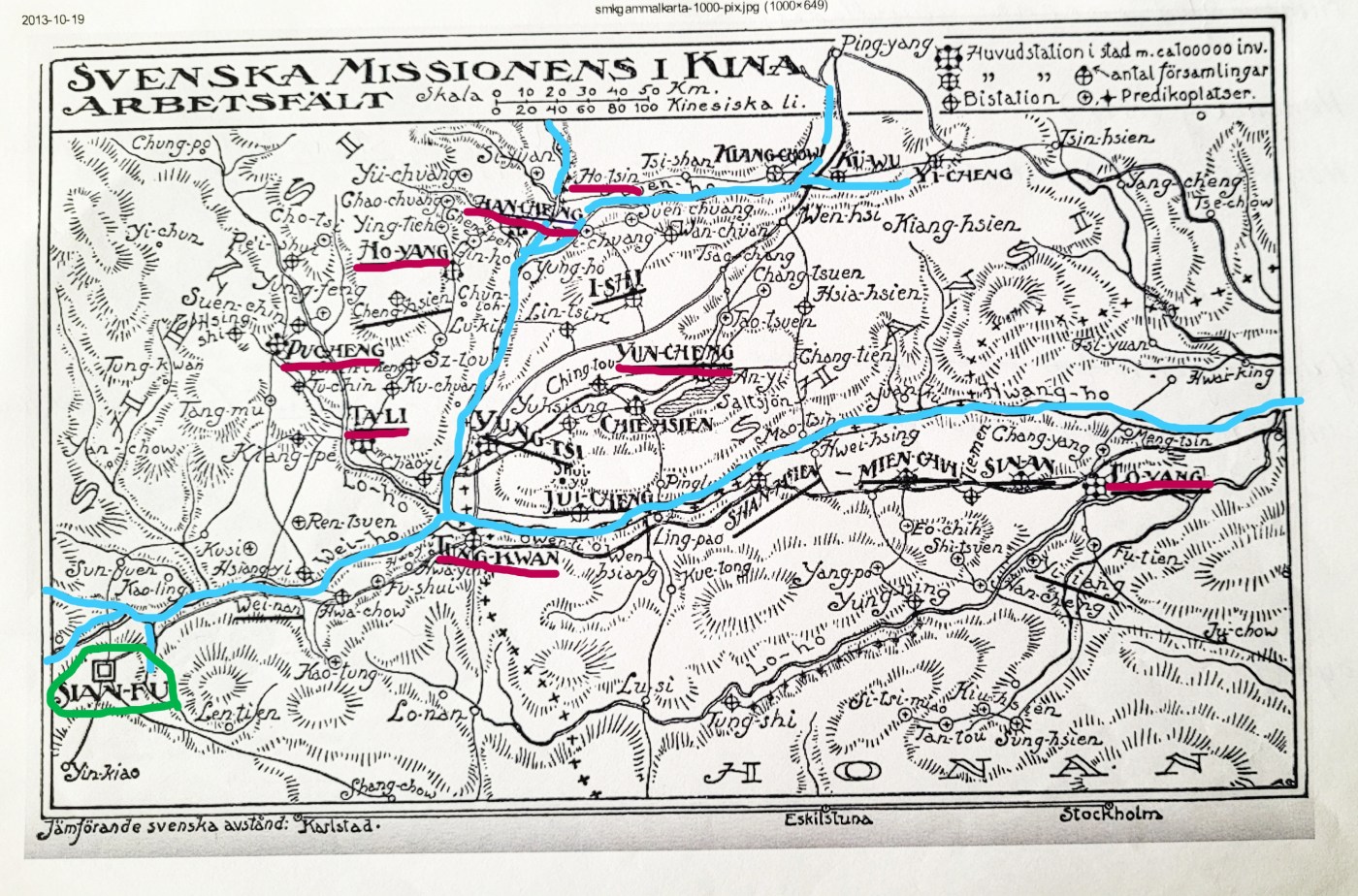
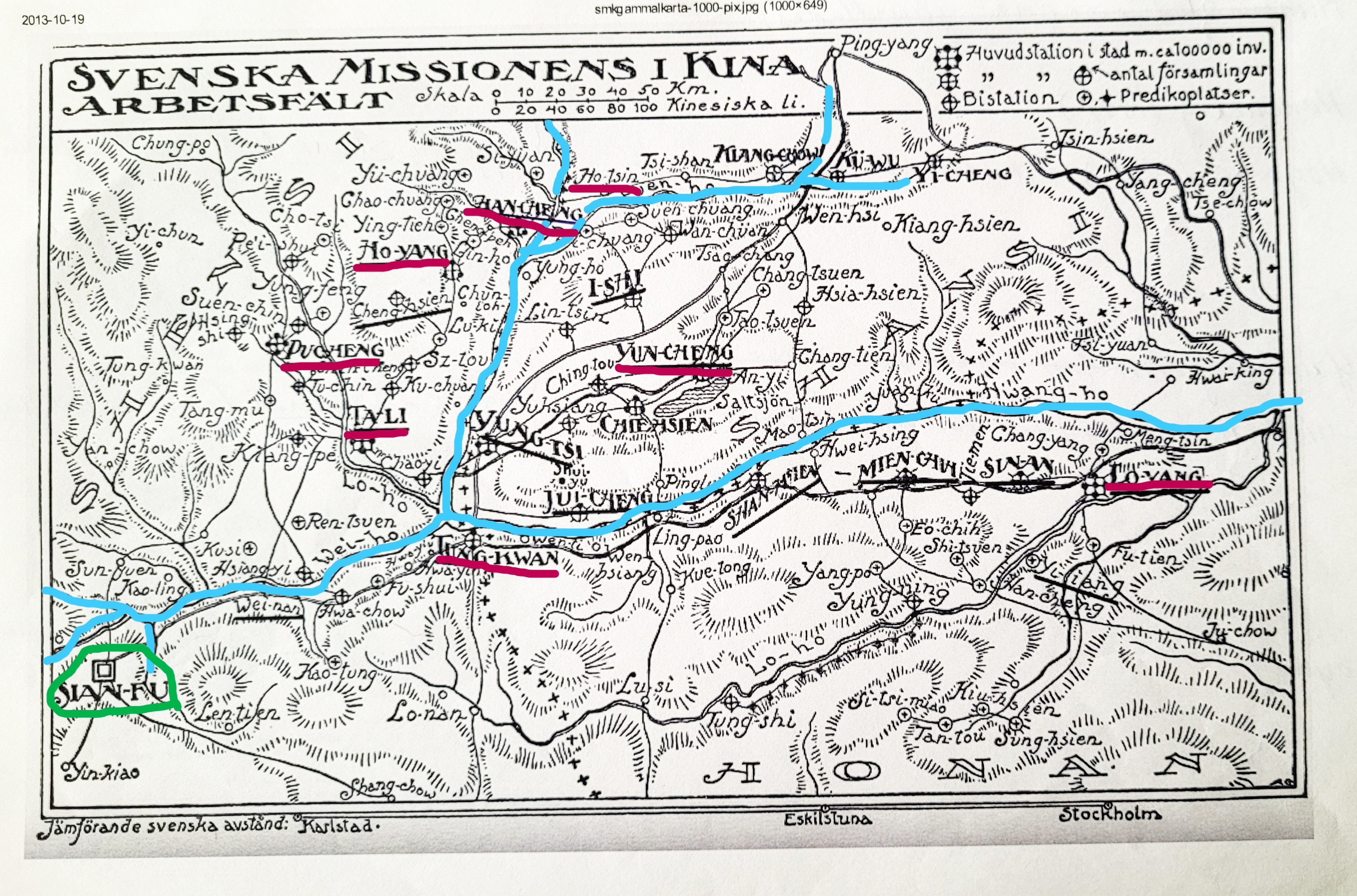
This map is a frequently used map over the mission field in China. This particular map is from my father’s cousin, who had it in his photo album. I have underlined the mission stations where my relatives were living for longer periods of time, or stations where they were placed on several occasions, in red.
The map covers both Shaanxi and Shanxi and shows the Yellow River (Hwang-ho) marked with blue.
“Sian-Fu” – or as it is called today, “Xian” – is the capital of the Shaanxi province, and has even been the Chinese capital several times throughout history. I have circled it in green. During most of my relatives’ time in China, Beijing was the capital (but Nanjing and Chongqing were also capitals due to different regimes). Sian-Fu/Xian had a hospital. This is where Dagny got help treating an infected eye. Xian is also the city where the funeral for Nils was held in 1942. But travelling there was no easy feat, depending on where you were placed. The Hancheng station was one of the furthest away from Xian (north on the map).
The other stations, that were already underlined in black, are mission stations that were mainly occupied by the colleagues of my relatives. In all, I believe my relatives visited every mission station of the Swedish Mission in China at least once.
The beginnings
The Swedish Mission in China was active from around 1887/1888 until about 1949, when the Communist takeover made it increasingly difficult for foreign missionaries to remain in the country. Some activities may have continued for a short while after 1949, but under far more difficult circumstances and with very limited freedom.
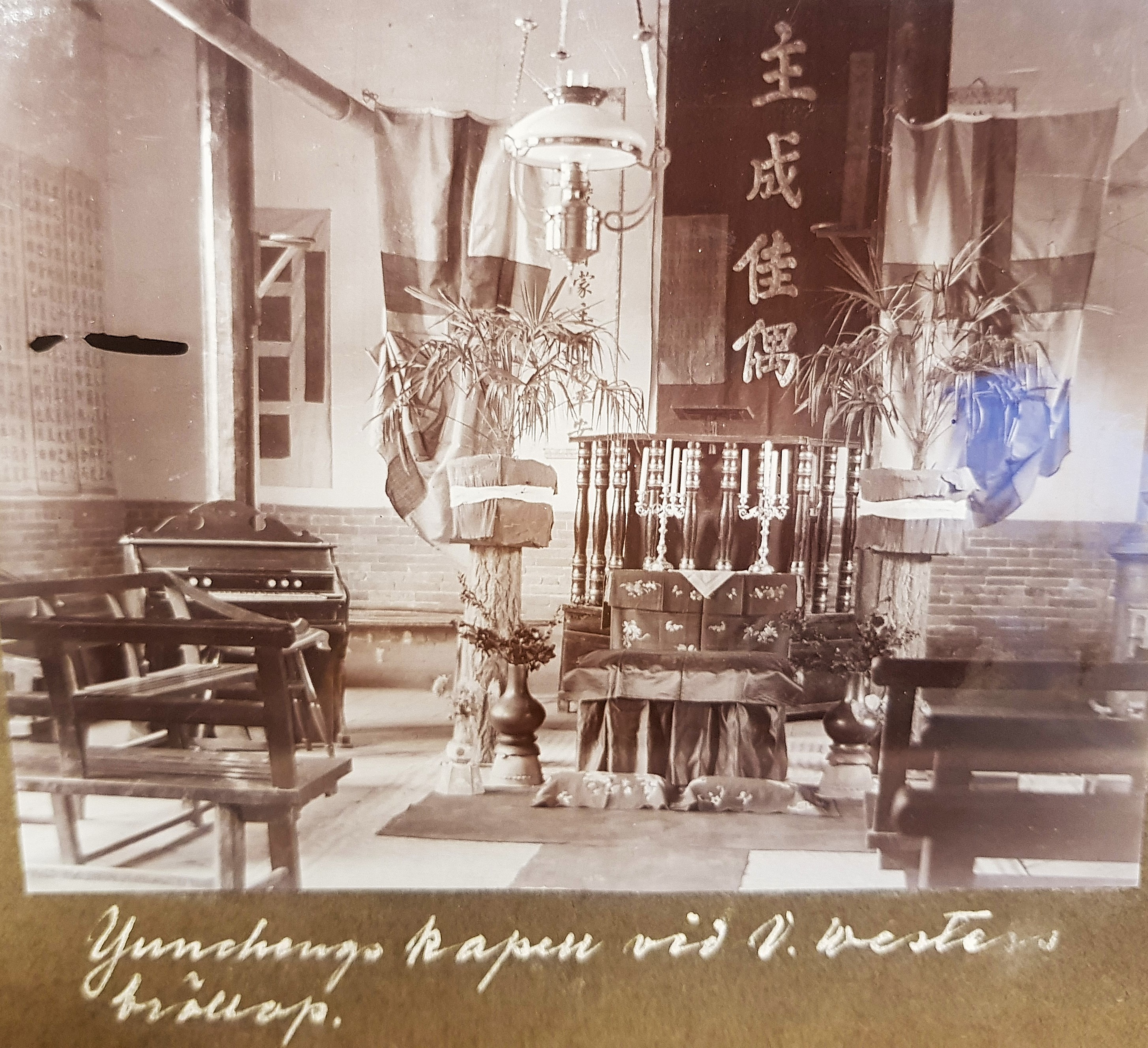
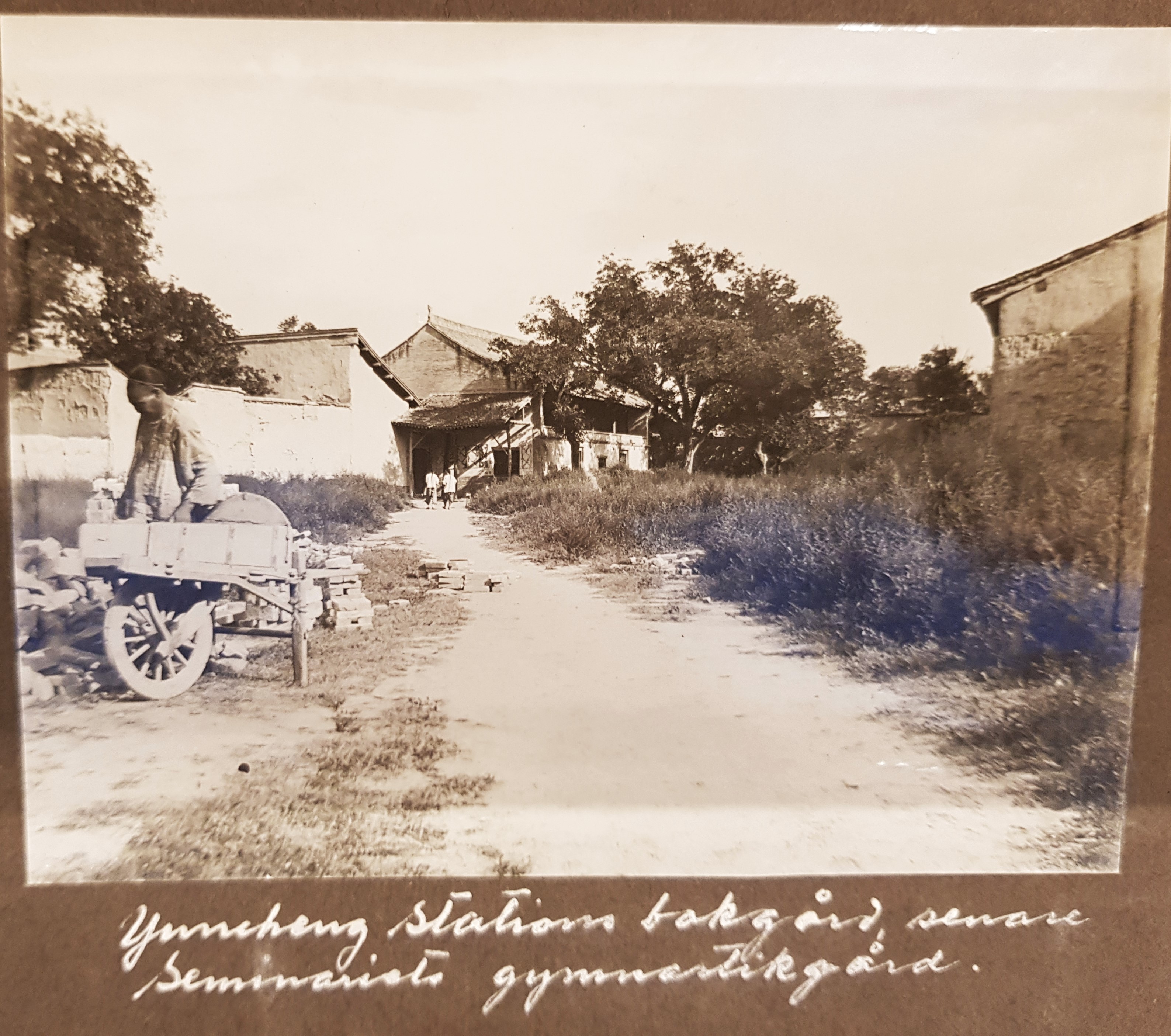
In 1888 the founding father Erik Folke moved to Yuncheng, to start working there. The mission station in Yuncheng became one of the most important mission stations for the mission in China. Many missionaries stayed there and worked from time to time. It was common to have one main station, but be ready to go wherever one was needed.
This is also where Robert started out his missionary work in 1892. After marrying Dagny in Shanghai in 1895, the couple got to work together at this station, where they built their first real home together.
Dagny’s early years – Yangzhou, Nikngkwo, Hutsuen and Kuangteh
As I mentioned in another article on this blog, Dagny came to China in 1893 with a Norwegian missionary society. She therefore began her work in a different region of China than where the Swedish mission was active.
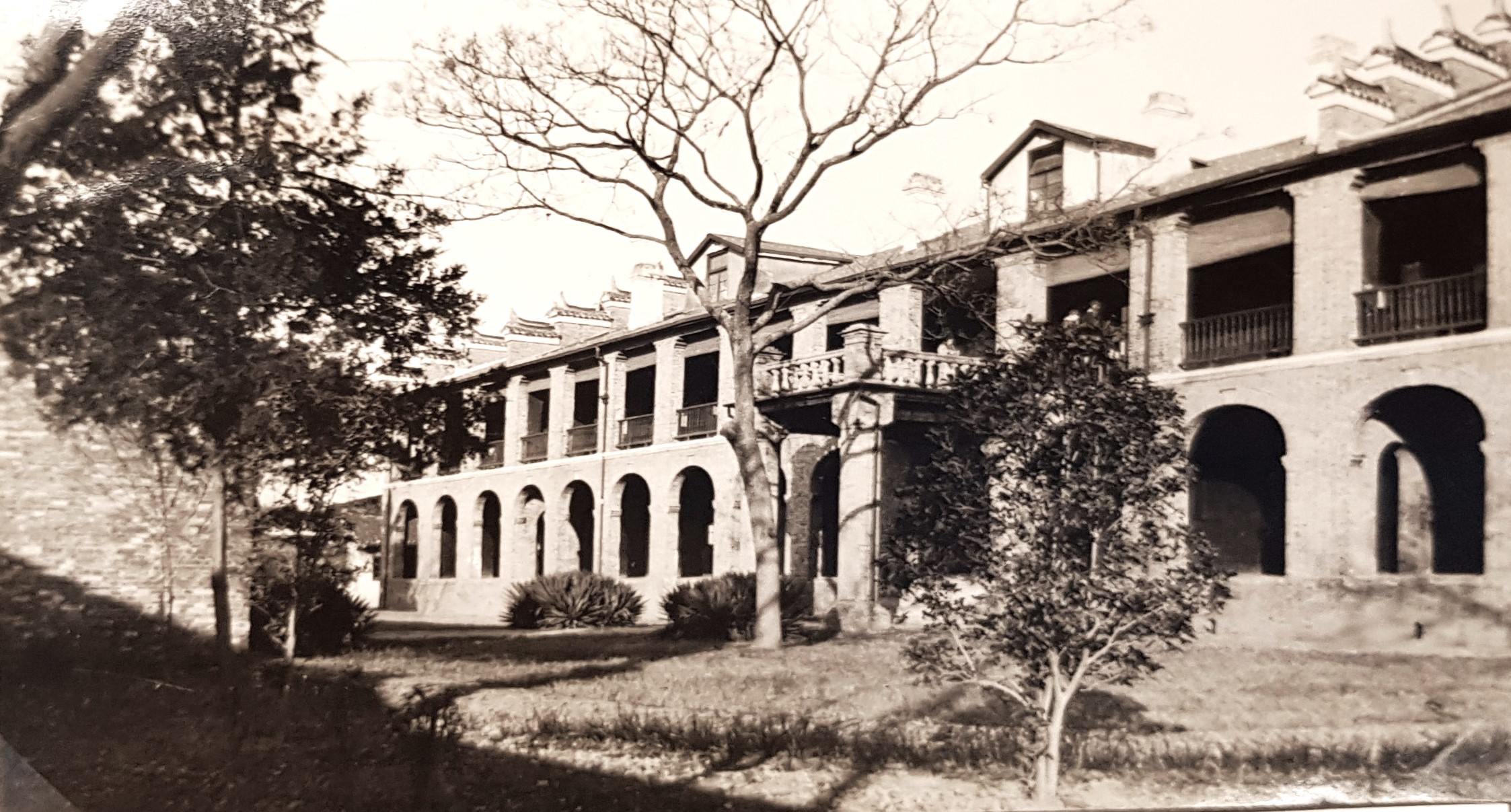
Dagny’s first stop was a school in Yangzhou, where she began studying Chinese. After eight months of study, her first posting was Ningkwo (today’s Ningguo), in Anhui Province. Ningguo is located about three hours west of Shanghai by car. I have written a little about Dagny’s experience from this here.
I don’t have any photos from the Ningkwo station, and neither from Dagny’s next placement in Hutsuen – an outstation approx. 45 km away from Ningkwo. But she wrote about the quite strenuous move there in her memoir. Dagny rode a lively donkey and her colleague and a Bible woman were transported in a wheelbarrow…
“The road led through rice fields and was so narrow that two carts couldn’t pass each other. Suddenly, a cart came toward us. The donkey I was riding got startled, and before I knew what was happening, it jumped down into the deep paddy field beside the path. I took an unexpected flight through the air. Fortunately, all went well, and we were soon able to continue our journey. Then, all of a sudden, there was a loud crash. The wheelbarrow had broken down, and the women riding in it ended up on opposite sides of the road. No one was hurt, but it took quite some time to find people who could help us get the cart repaired, and by then, darkness had fallen. A young man led my donkey for me, since I could no longer see the path. Branches and bushes brushed against my face. Perhaps it was just as well that we didn’t know there were wild animals in the area.”
Dagny’s next posting with the Norwegian Mission was in Kuangteh. To get there from the mountain village of Hutsuen, she had to travel by sedan chair and spend the night at an inn along the country road. She was accompanied by another female missionary. The inn was not a pleasant experience according to Dagny:
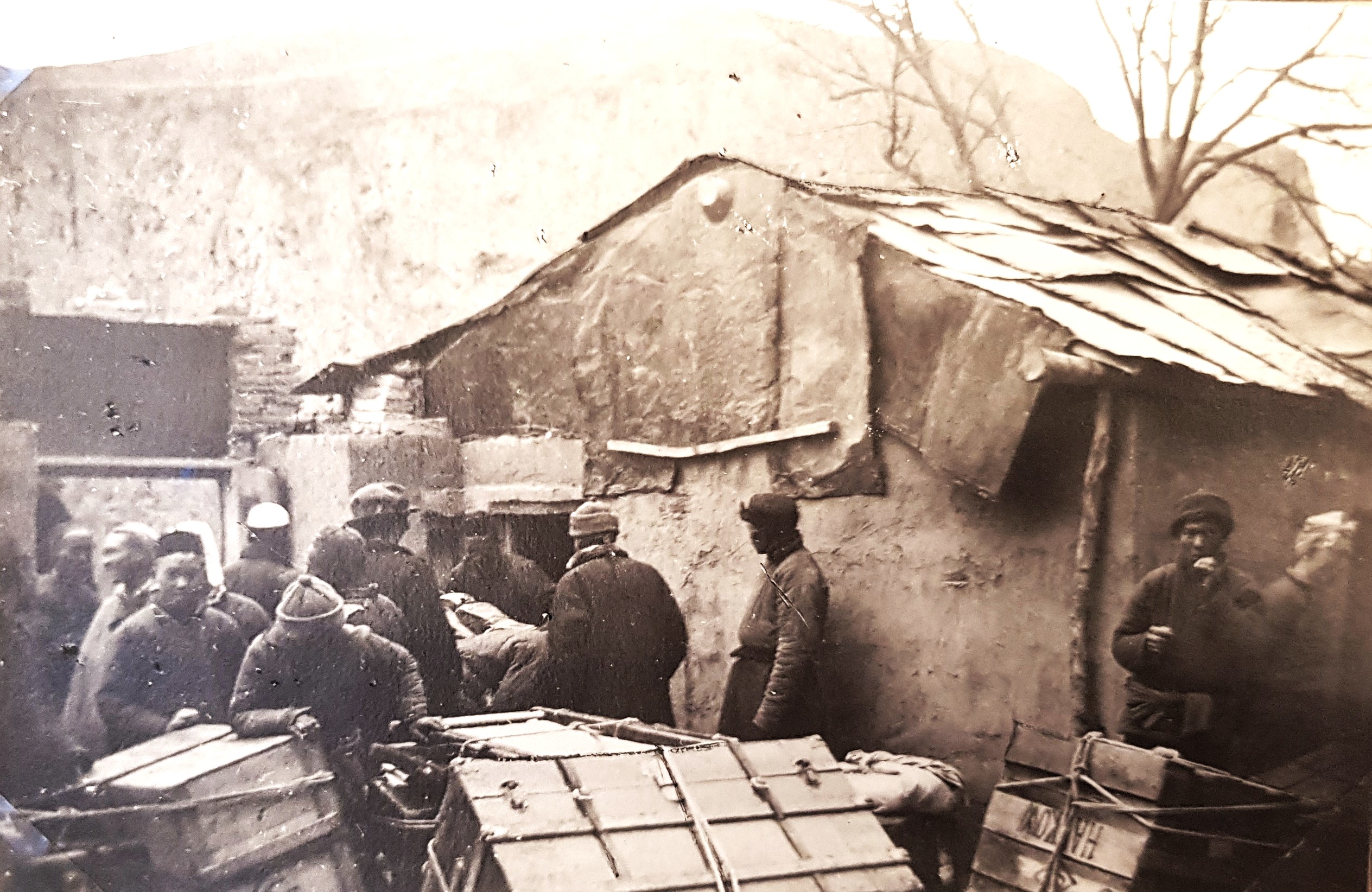
“The room at the inn was very gloomy — the floor was made of dirt, the walls were filthy, and both the table and the beds were wobbly and unstable. They couldn’t lock the door, so they barricaded it with some benches. As we were getting ready for bed, we suddenly heard a noise. Looking up, we saw a group of men on the roof of the next room, staring down at us. It would have been easy for them to jump across into our room. We quickly turned out the light and went to bed fully dressed, hoping nothing would happen during the night.”
Building a life together, Robert and Dagny in Shanxi and Shaanxi
After having married Robert and Dagny spent some time at the Yuncheng station, after which the couple borrowed an unoccupied station in Huang-tsuen. This station was 10 kilometres away from Hotsin (today’s Hejin), where there was another mission station. All the doors and windows were gone – the previous missionaries had taken them to use at their new station. Robert and Dagny therefore had to start by renovating the place.
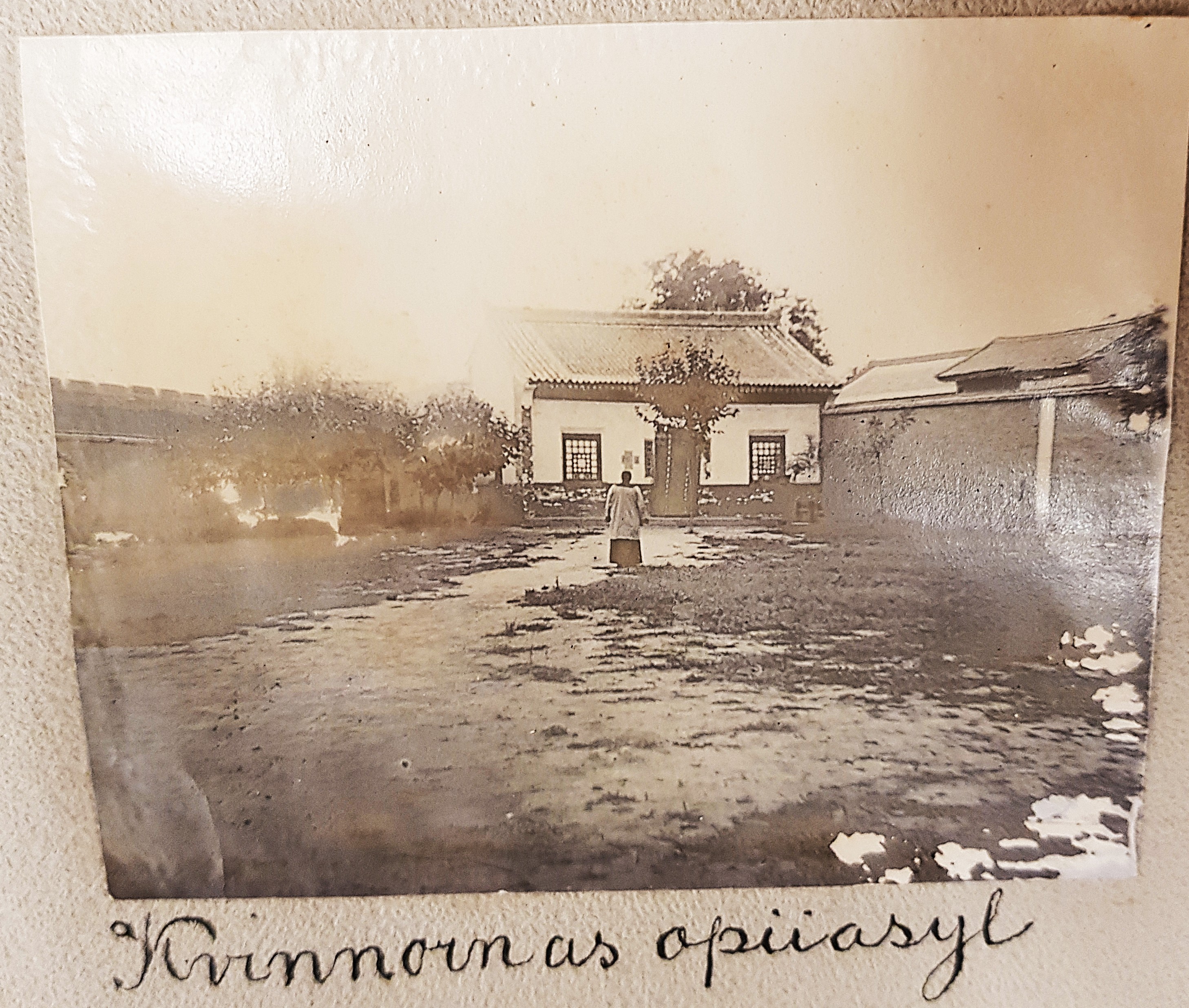
A bit later, Dagny and Robert got to borrow another unoccupied outstation in Zuocheng in the Shanxi province. Back then, it was called Suen-Chuang. But they did not get to stay there for long. The missionaries in Hotsin needed to go back to Sweden after losing their daughter to an illness. Robert and Dagny therefore had to run the station in Hotsin instead. The station in Hotsin had a small school and a teacher who was happy that Dagny could help him with teaching religion to the children.
Hancheng – a real home
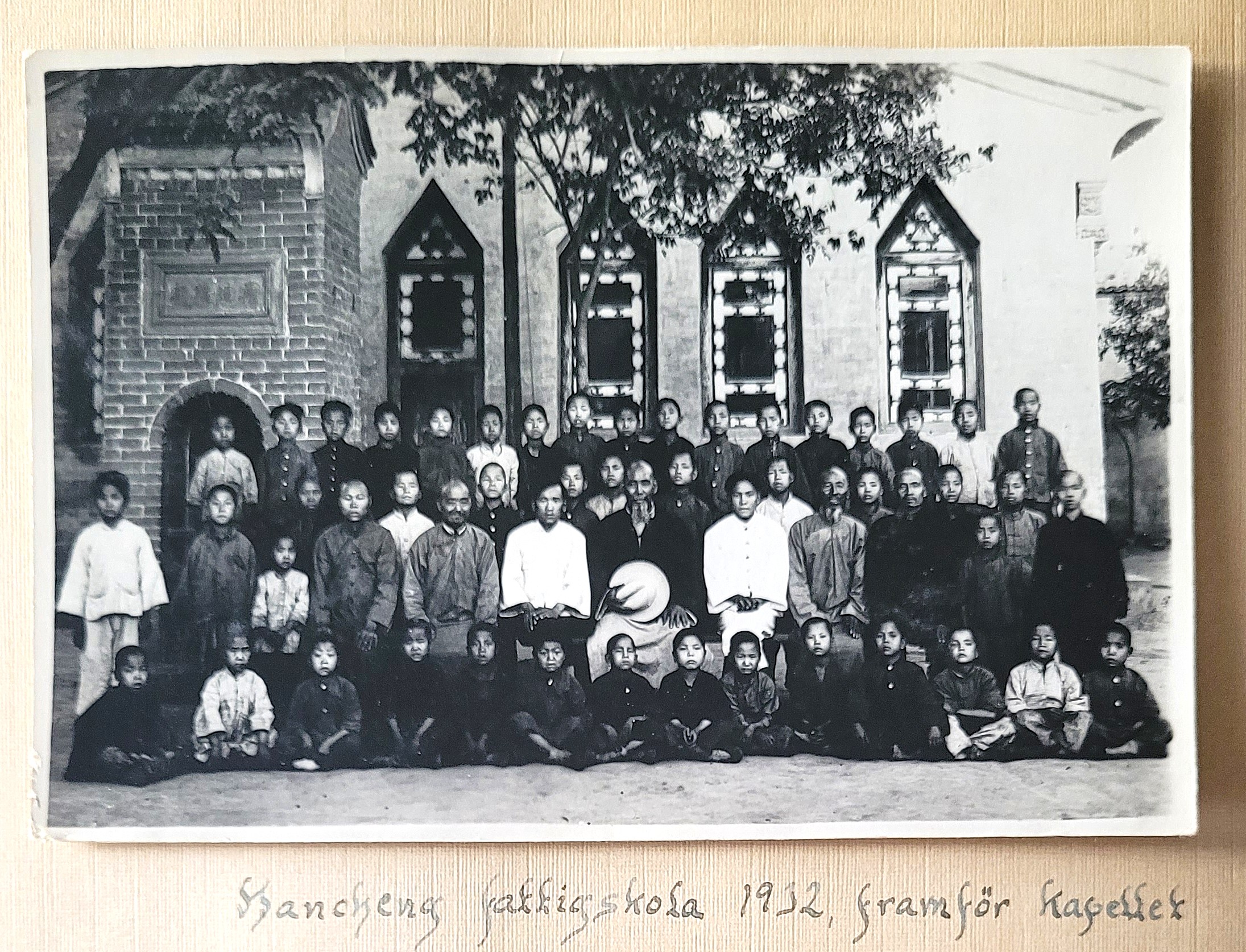
In 1897 Robert started a mission station in Hancheng, where Dagny and Robert were to stay for the majority of their time in China. In 1905 Olga arrived in China and was immediately sent to Hancheng to help Dagny with her pregnancy.
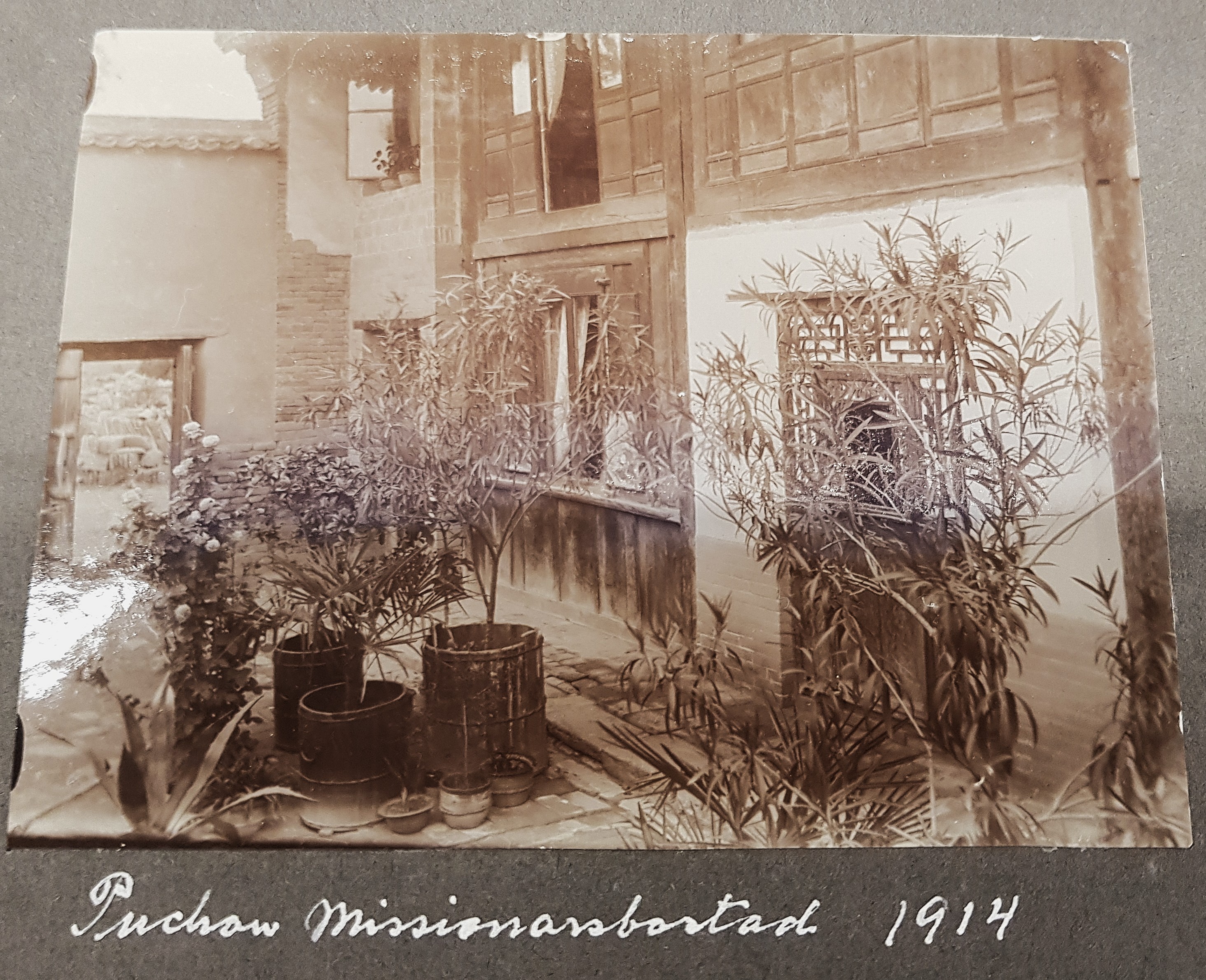
When the whole party went to Yuncheng for a wedding in 1906, Olga stayed on there and worked for a while at the Yuncheng station. In July 1906, Dagny and Robert visited several stations during a longer journey. They went to Haichow, Puchow and Tongchow, and stayed some time in Hoyang, as this station had been left without a missionary for some time. Hoyang was a one-day trip away from Hancheng and was frequently visited by different missionaries.
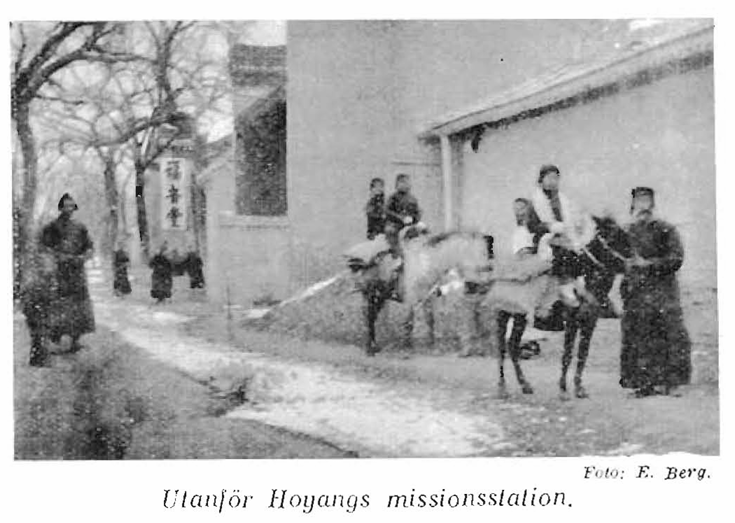
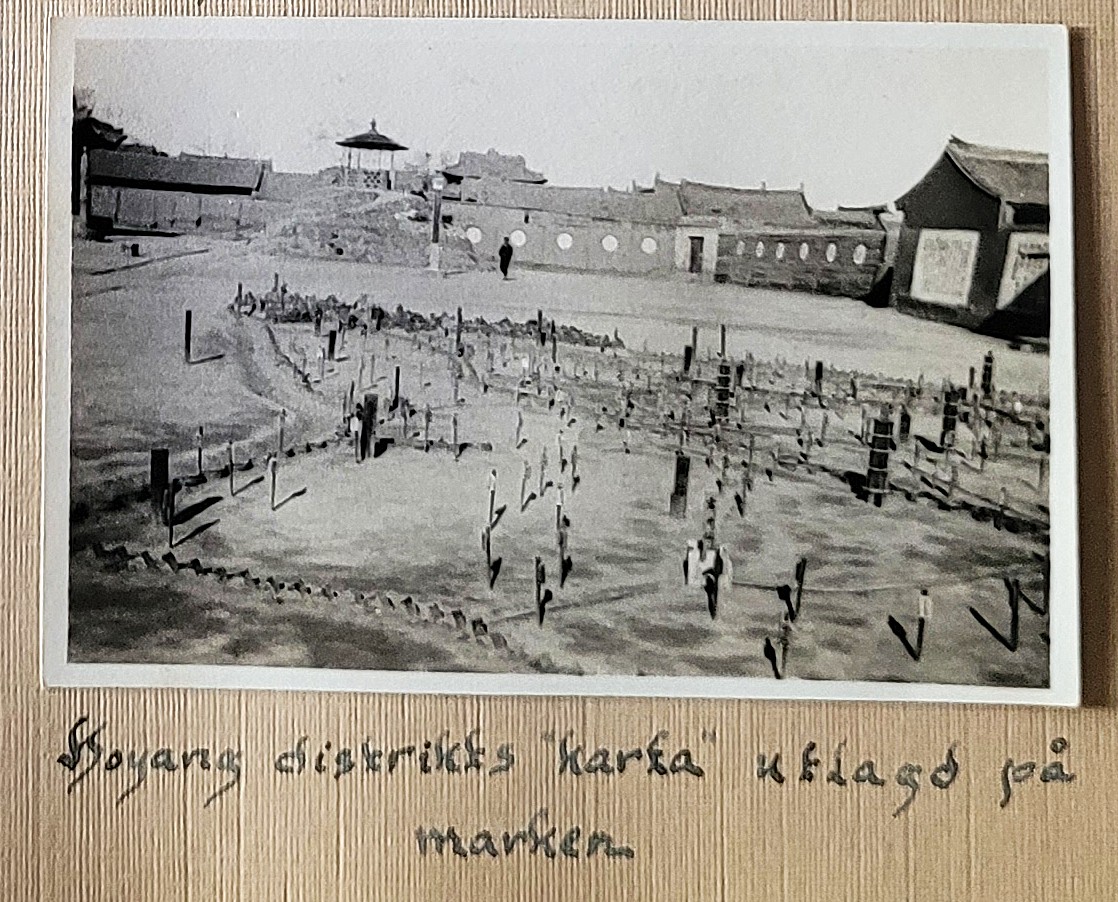
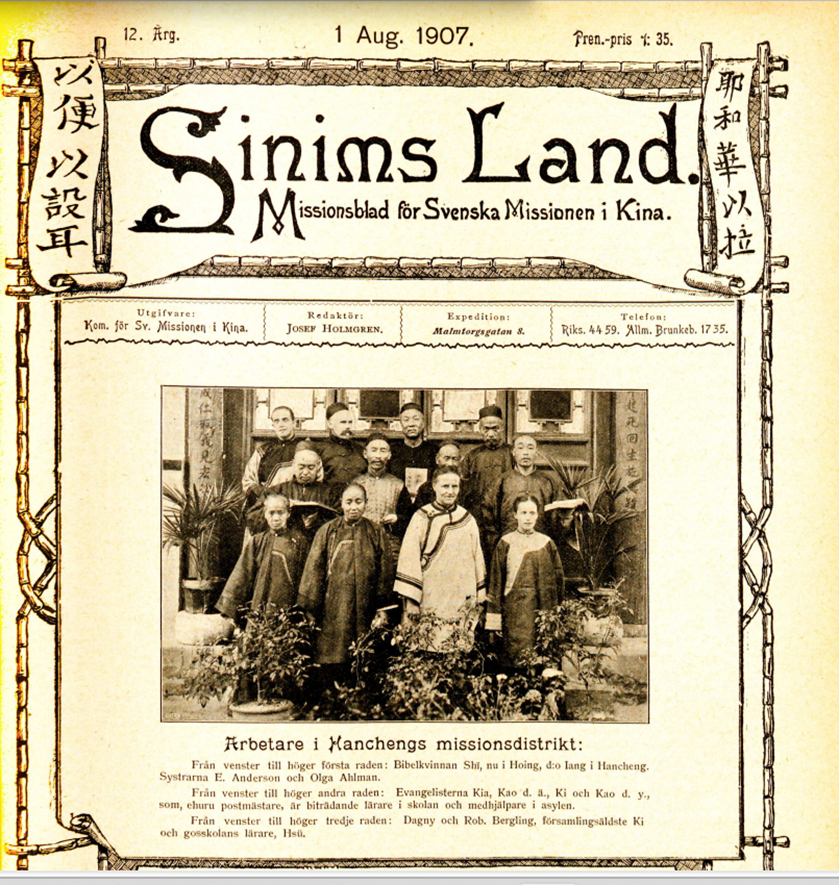
In 1907 Dagny and Robert left the Hoyang station to the missionaries Bölling and went back to Hancheng. Olga also returned to Hancheng to stay with them there. Sinims Land featured the station and its missionaries on the first page. Dagny and Robert are in the upper left-hand corner of the photo and Olga is furthest to the right, in the front row.
Olga and Nils – waiting to get settled
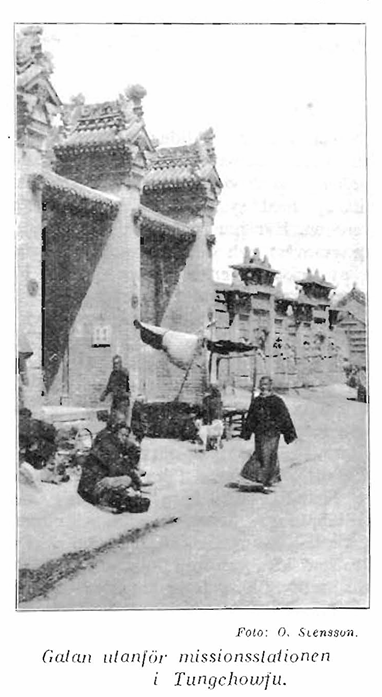
In 1909, Nils arrived in China and was stationed in southern Shaanxi. Soon enough, he met Olga in Tali (Dali), Shanxi. A year later, Olga was solely responsible for the Hancheng station, when Robert and Dagny were on home leave in Sweden. And in 1911, she had to leave for Yuncheng because of turbulent times in China. Nils accompanied her and her colleague.
After arriving in Luoyang, on their way to the coast, they continued their journey by train via Beijing to Tianjin, and then on to the coastal city of Yantai (then called Chefoo). They stayed there for about a year, during which time Olga assisted with medical care for both Chinese people and foreign missionaries. Olga and Nils were married in Yantai in June 1912.
Tali – a place to return to
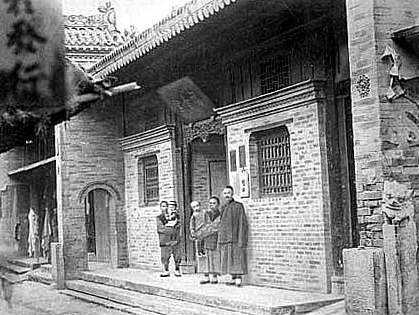
When they returned from the coast, they were stationed in Tali. There, Olga established a medical clinic to be able to receive all the sick who came seeking help. A male missionary had previously carried out extensive medical work in the city, but it had been mostly for men, since many women at the time preferred not to be treated by a man, and least of all by a foreigner. Olga received many women and children as patients, but men also came.
In 1913 Olga gave birth to my grandmother Edna in Tali. And it was in Tali that Olga and Nils would spend most of their time in the years to come.
(At the same time, Dagny gave birth to my grandfather Rudolf in Hoyang, where she was helping with the work at the station. Robert and Dagny were now planning to leave Hancheng and settle in Hoyang instead. Robert continued to visit the Hancheng station after the move, to see to it that all went well over there. In 1917, Robert started an industrial school in Hoyang.)
Pucheng
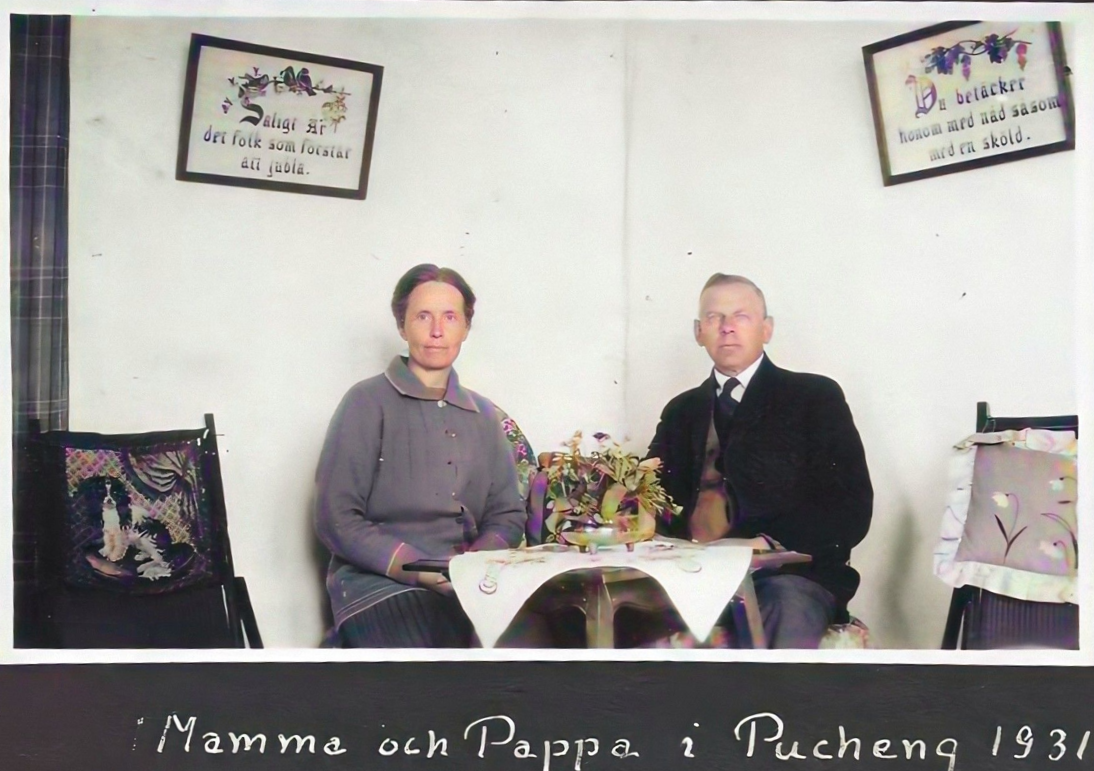
In 1927, Nils and Olga travelled to Sweden with their daughters, to get away from the turbulence in China and have a home vacation. They stayed for two years and went back to China in 1929. Olga and Nils were now stationed in Pucheng. Nils was still responsible for the mission station in Tali/Dali as well. It was tough travelling so much between Pucheng and Tali. They also had a lot of medical work with cholera affecting the whole mission field. And then, the rain came and caused severe floods.
When the Red Army crossed the Yellow River from the south and entered the Shanxi province in 1936, all the missionaries had to evacuate. Many took a home leave in Sweden, as did Olga and Nils. Others stayed in Henan or other places, until the war was over and they could return to the mission field.
In November 1939 Olga and Nils came back to China from Sweden, taking the route past Vancouver. They arrived in Shanghai in February 1940. It then took Olga and Nils two and a half months to reach the field due to the ongoing war with Japan. There was great unrest throughout the country. They were met with a Japanese bombing raid both upon arriving in Luoyang and in Tali, but they eventually managed to reach their station in Pucheng, where they had once again been assigned.
In the autumn of 1941, Pucheng was subjected to a heavy bombing raid by five planes flying abreast over the city. They arrived so unexpectedly that no warning had even been given. It was the most severe attack the city had experienced. Seven or eight houses were destroyed, and seven people were killed. Olga’s and Nils’ house was also hit by two bombs, causing extensive damage. Fortunately, their bedroom and Nils’ study were almost untouched.
Olga wrote about the event:
“No one at the mission station was injured or lost their life. A sister who was ill on the upper floor was miraculously saved when one of the walls, where her bed stood, partially collapsed… We had to dig her out. She was fortunate not to have suffered any injuries.
Our damaged house caused us great concern, especially when it rained and water leaked in, so that we had to place all kinds of containers to catch the rainwater. Repairing it was out of the question as long as the war continued. Everything was so expensive, and, moreover, we could not know when the next bombing raid might come.”
Inside and out
Even before Robert’s death in 1930 and Nils’ passing in 1942, the new generation of missionaries had already taken up the work.
Dagny and Robert’s eldest son, Morris, also became a missionary in China and began his time there in 1922, teaching at the Swedish School on the Jigongshan (Rooster Mountain). Both my grandfather Rudolf and grandmother Edna were students there at the time, having begun school in 1920. With their children now grown, Dagny and Robert could see how almost all of them wanted to return to China to continue the mission work. Martin, Wilhelm, and Dagny-Edla also became missionaries and returned to China as adults. Only Rolland and my grandfather Rudolf chose different paths and did not join the family’s mission work.
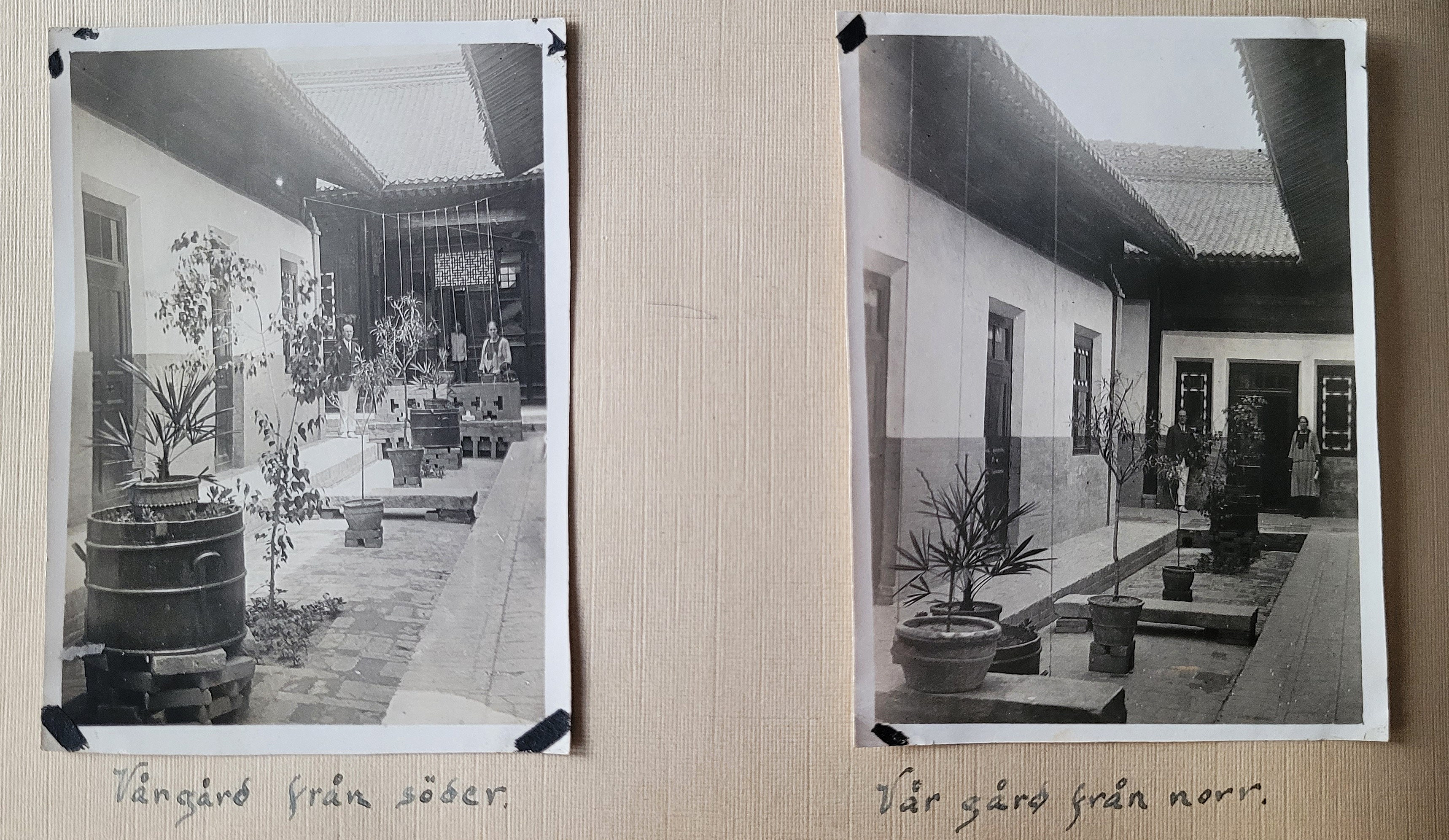
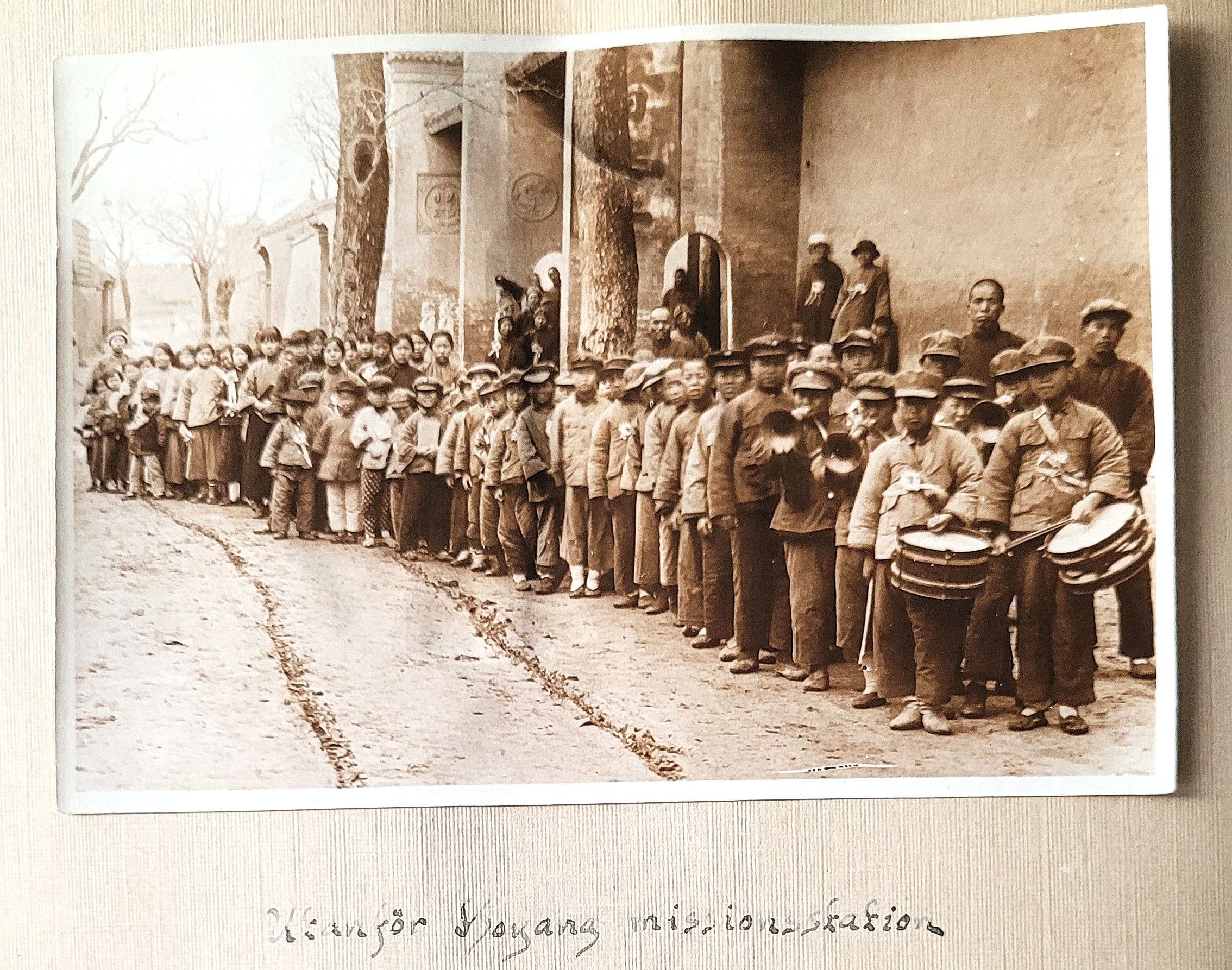
When they arrived in China, the new missionaries recognized their childhood homes in the mission stations, which had changed very little. Martin and Birgit were assigned to the Hoyang station, and here they are, standing further back in the photographs taken in the yard. Most mission stations in China had similar courtyards.
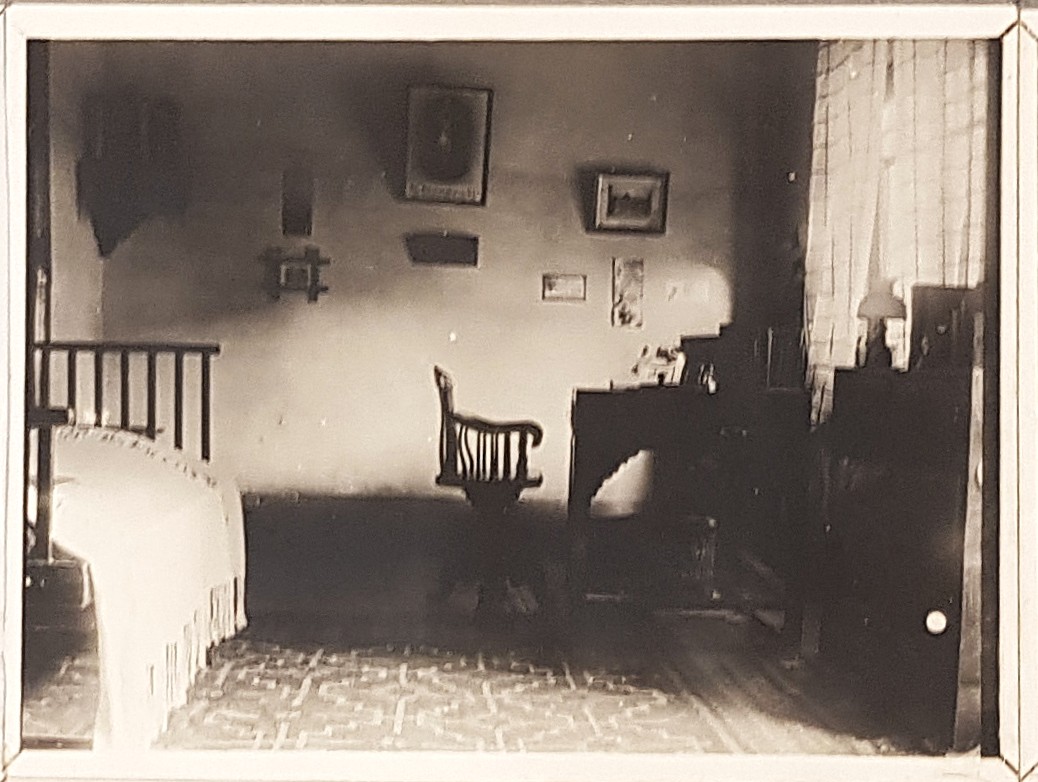
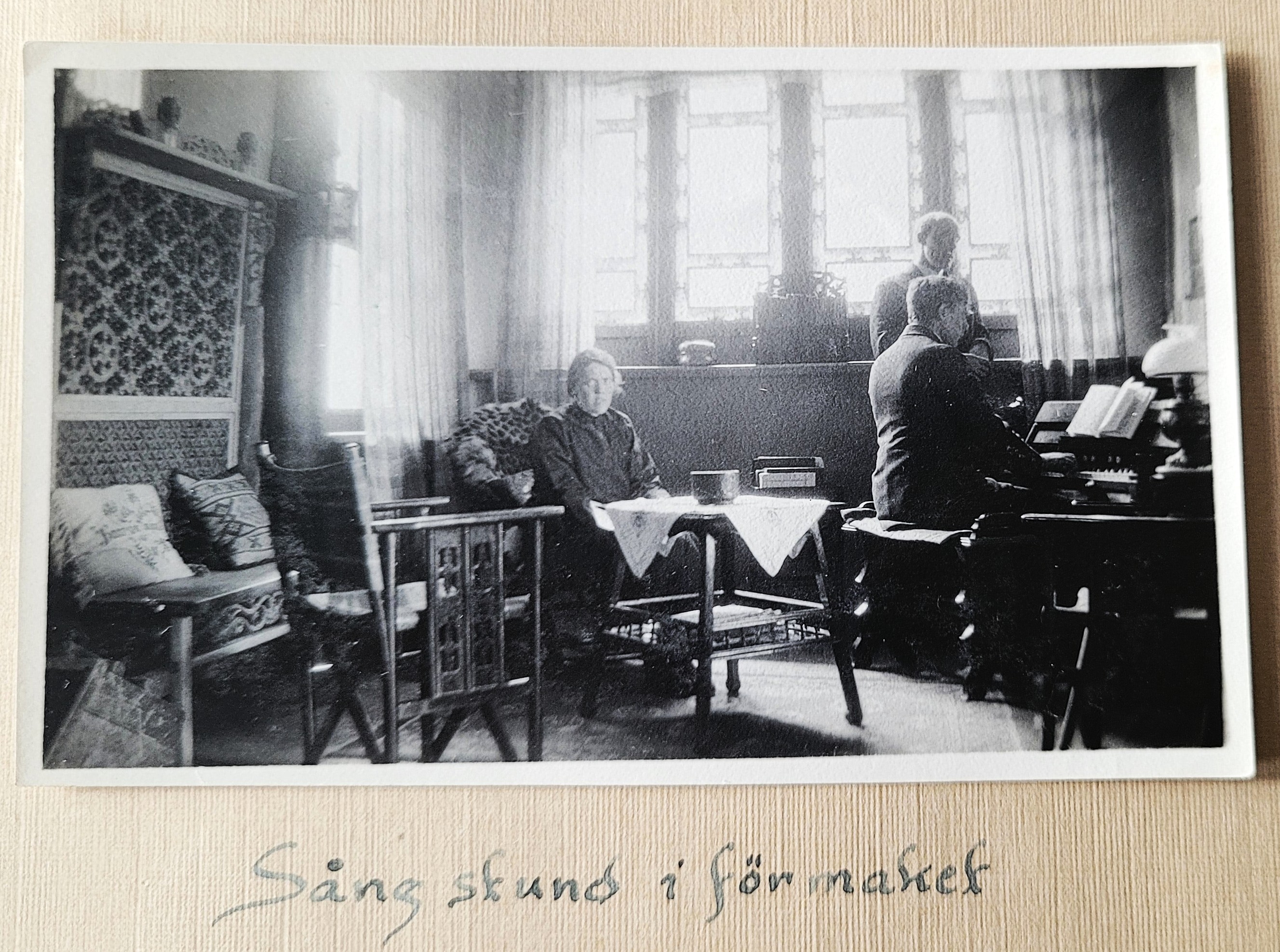
Inside the mission stations the missionaries tried to live like in Europe. My great grandfather had an organ imported so he could play music. Here, his son leads a moment of song in the parlor at the Hoyang station. If I am not mistaken, it looks like it is Dagny-Edla who is sitting in the armchair.
The meaning of place
Looking at photographs from the mission stations, I get a feeling of what it could have been like living there, but I will always feel a longing to visit these places myself to see the colors, take in the scents and understand the climate and surroundings. This wish will most likely not come true and of course, many of these places are not at all the same today. But, I am happy my relatives and other missionaries took photos and documented so much. And I am also very happy for the photos Mr. Hong sent me from Hancheng a while back. I wrote about that here. Together with the phototgraphs from my family albums, his photographs make this even more tangible. Seeing the streets of Hancheng where my relatives once walked brings the past close and is a reminder that these places still exist, and that history is rooted in geography.
After all, what’s in a place? For me it can be everything from family and history to the stories that shaped who we became.
Mission stations, Swedish Mission in China
During the active years, the Swedish mission in China had 4 stations in the region Henan, 5 stations in Shanxi and 7 stations in Shaanxi.
HENAN
Luoyang
Xinan (Sinan)
Mianchi/Mienchi
Sanmianxi
SHANXI
Yuncheng
Linyi/Yishi/Ishi
Jiezhou/Haichow
Yongji/Puchow
Ruicheng
SHAANXI
Tongguan
Huaxian
Tali (Dali, Tungchowfu)
Pucheng
Chengcheng
Heyang/Hoyang
Hancheng
 Thérèse Amnéus
I found this post very interesting. Place and its facets of meaning have always been important to me. Am I correct that in the later years of the missions the missionaries wore Western clothing?
LikeLiked by 1 person
Thank you Liz! Yes, my grandfather’s generation did not wear the Chinese clothes like their parents did. The view on how to dress had changed. Before, they wanted to blend in, but with all the turbulence and conflict, it could be seen as suspicious to dress like the Chinese as a Westerner.
LikeLiked by 1 person
You’re welcome, Therese! Thank you for the additional information.
LikeLiked by 1 person
You’re welcome, Liz!
LikeLiked by 1 person
Wow this is so cool, seeing the photos and reading about Robert and Dagny and all the rest! The photos in my grandmother’s album look similar, but I know they were taken a different part of China. I still think it would be exciting to find out that some of your relatives and the missionaries my grandparents knew had crossed paths at one time or another. Did you happen to see my post “In His Glad Service” where I included a link to your blog? 😀
LikeLiked by 1 person
I have totally missed your blog post about missionaries!! How great! I will check it out and see if can find out if our relatives crossed paths! And thank you for mentioning my blog 🙏❤️
LikeLiked by 1 person
I thought you must have missed it somehow. It’s the one right before the dishwasher one. 😀I think I got a date wrong, because I said that Robert and Dagny went to China in the late 1890s but in reading this post I see it was the 1880s 🤔
LikeLiked by 1 person
Ok I looked back at your dates, maybe I was right the first time😂
LikeLiked by 1 person
Robert and Dagny started out as missionaries 1892/1893 and Olga and Nils arrived early 1900 (1905 and 1909). I found your blog and loved it! Such great material! I commented, but I can’t see it went through – perhaps it became an anonymous comment – but I’m sure you will recognize it if it’s in your inbox 😀 Love that you found out so much and could peel the photos off the pages so that you could see the writing on the back! Many of the photos in my albums don’t have names on them, and it’s impossible to peel them off the pages… But having looked at so many photos now, I start to recognize people myself 🙂 – often the same people turn up again and again.
LikeLiked by 1 person
Yes, your comment came through as anonymous, but that happens every now and then, I’m not sure what causes it. But like you said, I knew it was you. 😀
LikeLiked by 1 person
Haha! Very good!
LikeLiked by 1 person