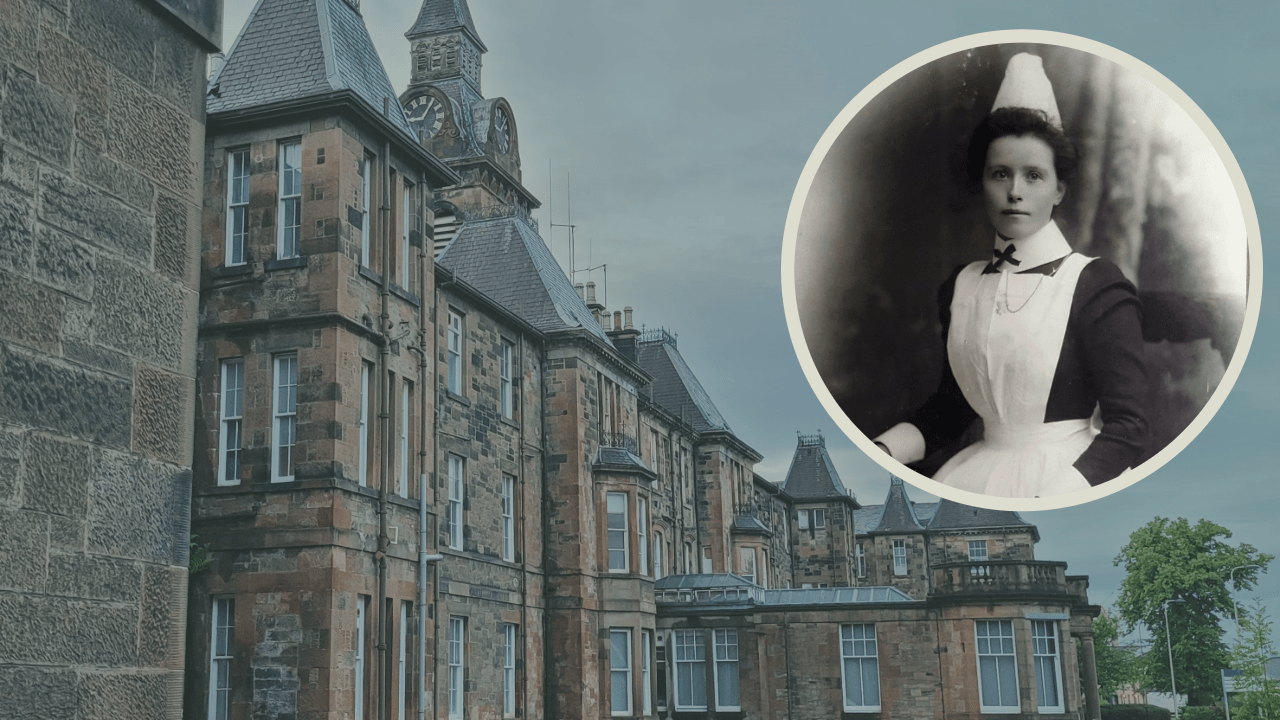
Spending a couple of weeks in Scotland for the first time, I have tried to walk in my great grandmother’s shoes. At the turn of the last century, Olga lived in Glasgow for around 5 years.
Her greatest desire was to become a missionary in China, and to achieve that, she understood that she would need to further her education beyond the few years she had attended the local school on the archipelago island of Karklö. She knew that it was desirable to know more languages than Swedish – primarily English – and that it was beneficial to have medical training. To solve at least one of these problems, she and a friend – Maria Westerberg – responded to an advertisement in a newspaper where the K.F.U.K (Young Women’s Christian Association) was urging young women interested in training to become good housekeepers and learning English to apply to a cookery school in Glasgow. Mrs. Schröder at the K.F.U.K. approved the girls’ applications after Olga’s mother, Augusta, agreed to let her 19-year-old daughter undertake this rather unusual journey for young women at that time.
Boat and train
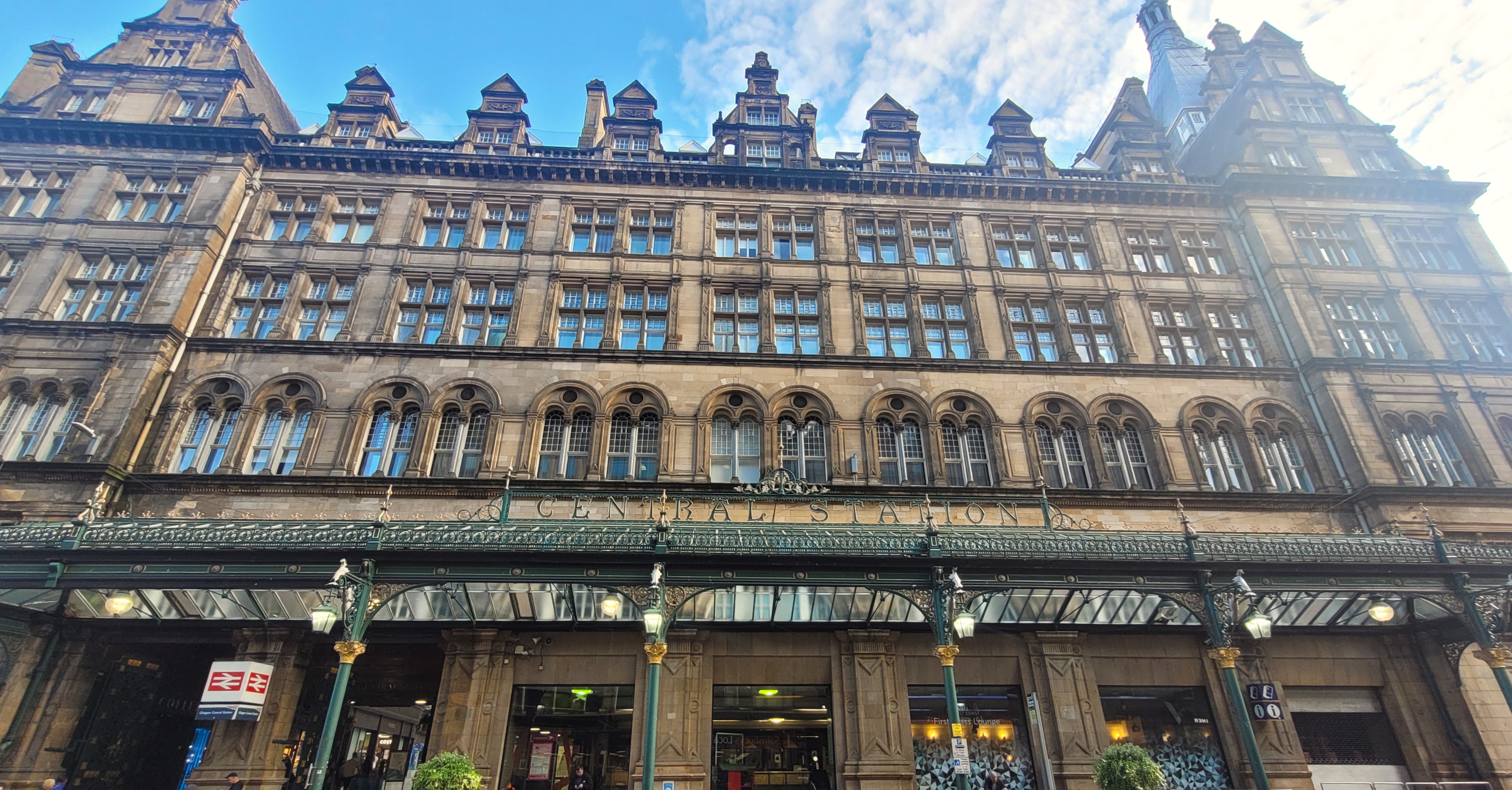
On November 6, 1899, the girls arrived by train in Glasgow and enrolled at the cookery school. However, the school was not what they expected. The discipline was very strict, and they were not allowed to leave the school without special permission. They were forbidden from speaking even a little Swedish with each other and had to work very hard from early morning until late at night.
To escape the school, Olga and Maria sought employment with a wealthy family in Glasgow and after six months they could finally leave the school. They stayed with the family for about 1.5 years.
Pit stop in Sweden
During 5 summer weeks in 1901, Olga returned to Sweden to visit her family. She had then secured a probationary position at Govan Parochial Hospital and Poor House in Glasgow, where, starting on September 10, 1901, she would finally receive the nursing training that was crucial for her future as a missionary. The arrangement was that she worked at the hospital – initially in lower positions – while simultaneously studying medicine and receiving training within the framework of the hospital’s activities. She had to take numerous exams and gradually advanced in rank. Eventually, she progressed to the point where she became a charge nurse. Olga remained at the hospital for ‘3 years, 3 months, and 4 days’, as she wrote to the mission in 1905.
In her application letter to become a missionary, she also mentioned her contributions to the cause in Glasgow:
‘I was able to participate somewhat in the Seamen’s Mission. Sometimes I was asked to sing a song or give a testimony in Swedish at an English meeting, for the Scandinavians who did not understand English very well, or sometimes to accompany the missionary Mr. Morrisson and his daughter to the seaport to invite the seamen to the meetings.’
The Ibrox disaster
During Olga’s time at Govan Parochial Hospital, the Ibrox disaster also occurred in Glasgow. It was during a soccer match between England and Scotland in 1902 when parts of the wooden stands collapsed. 25 people died, and over 500 people out of the approximately 68,000 attendees were injured. It was estimated that between 200-300 people simply fell through the floor of the stands to the ground far below.
The Govan Police Station on Orkney Street, which also served as a prison and town hall at the time, was used for the injured, and, of course, large numbers of injured people were brought to Govan Parochial and other hospitals in Glasgow, such as the Western Infirmary.
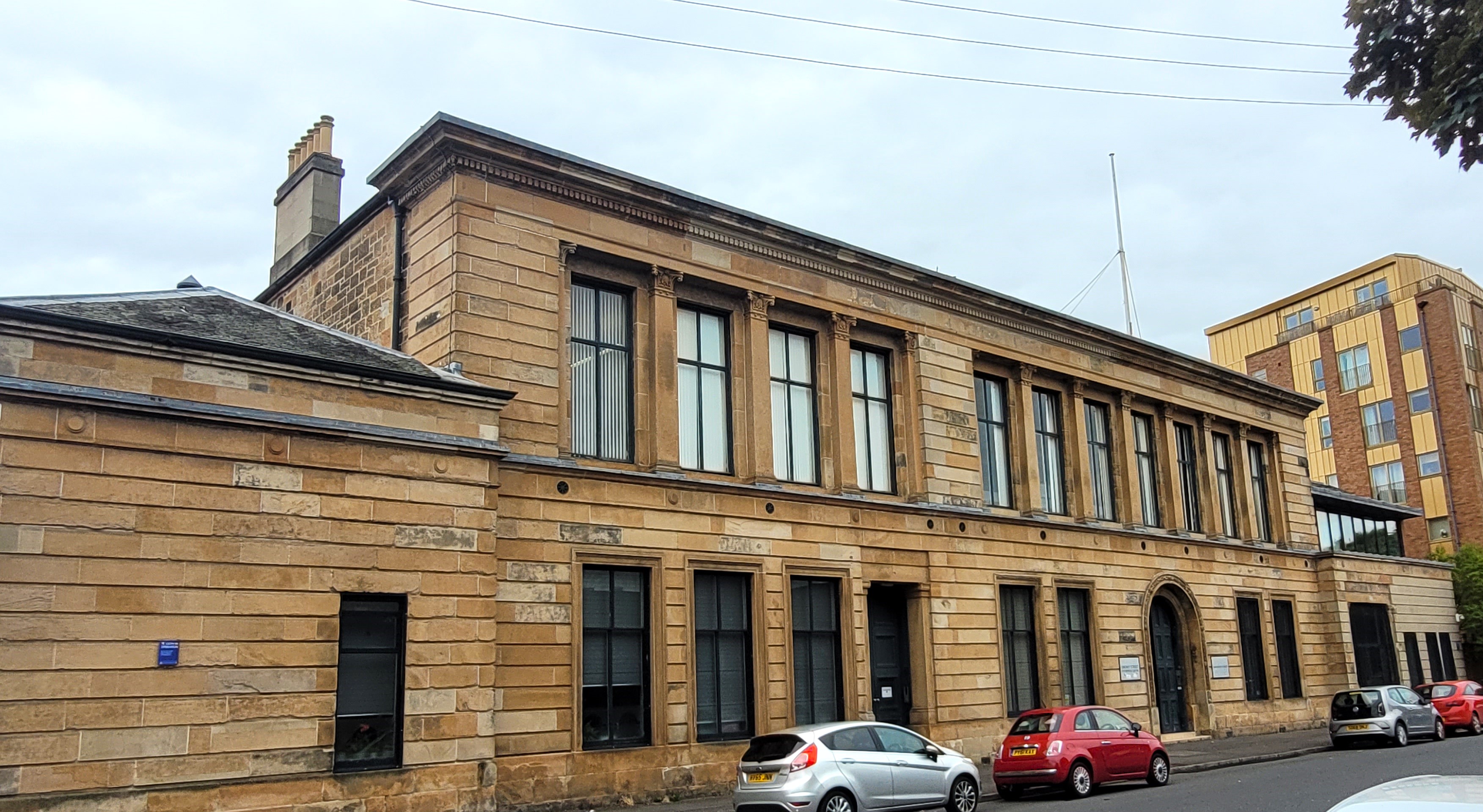
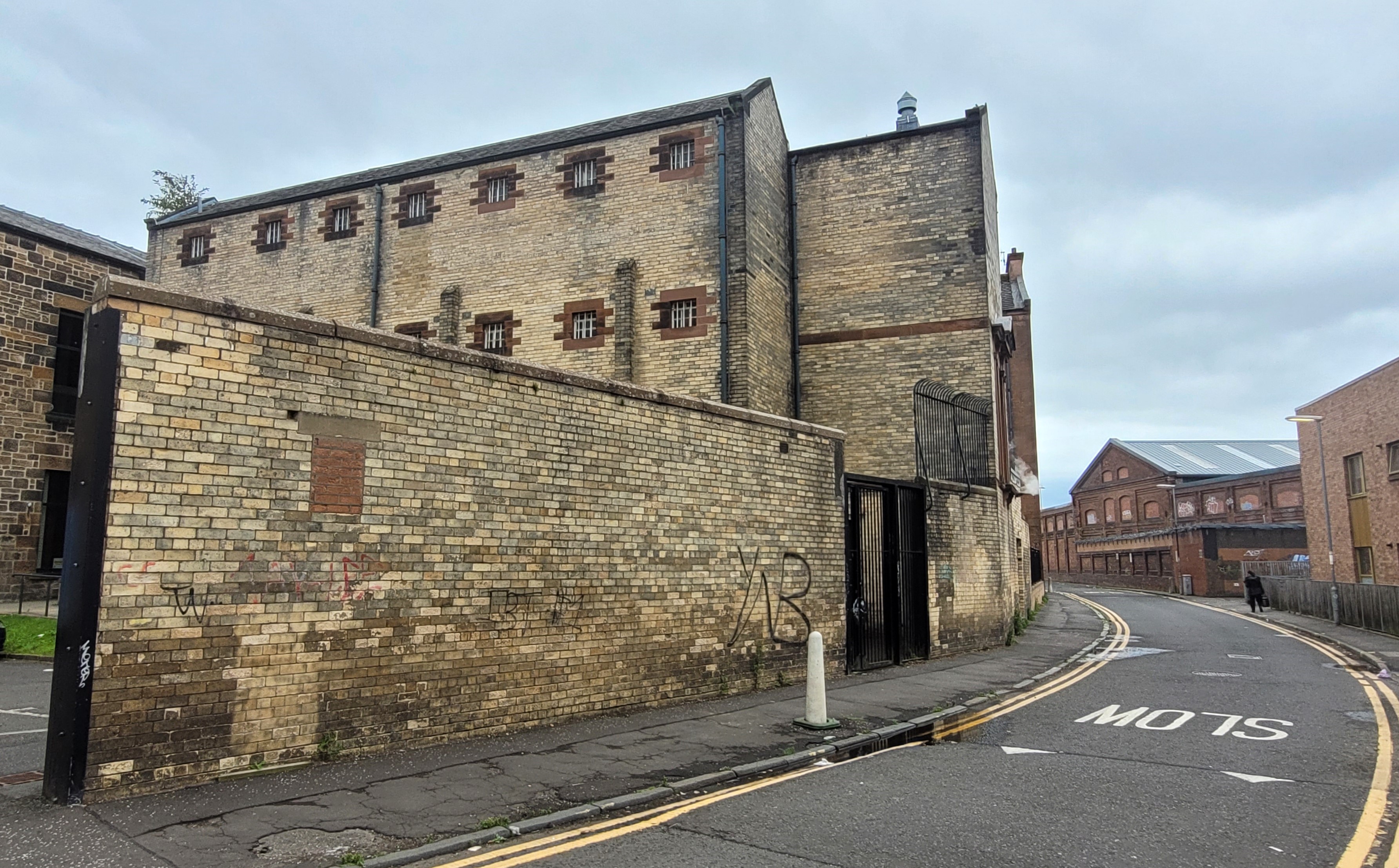
I have no letters or notes from Olga from this time, but I can imagine that she wrote home about what happened, both at the household school, in the family she worked for, and about her work at the hospital. She likely also wrote about the Ibrox disaster and how hard they had to work to help all the injured at the Govan Parochial Hospital.
You can read more about the disaster here: https://en.wikipedia.org/wiki/1902_Ibrox_disaster


Moving about town
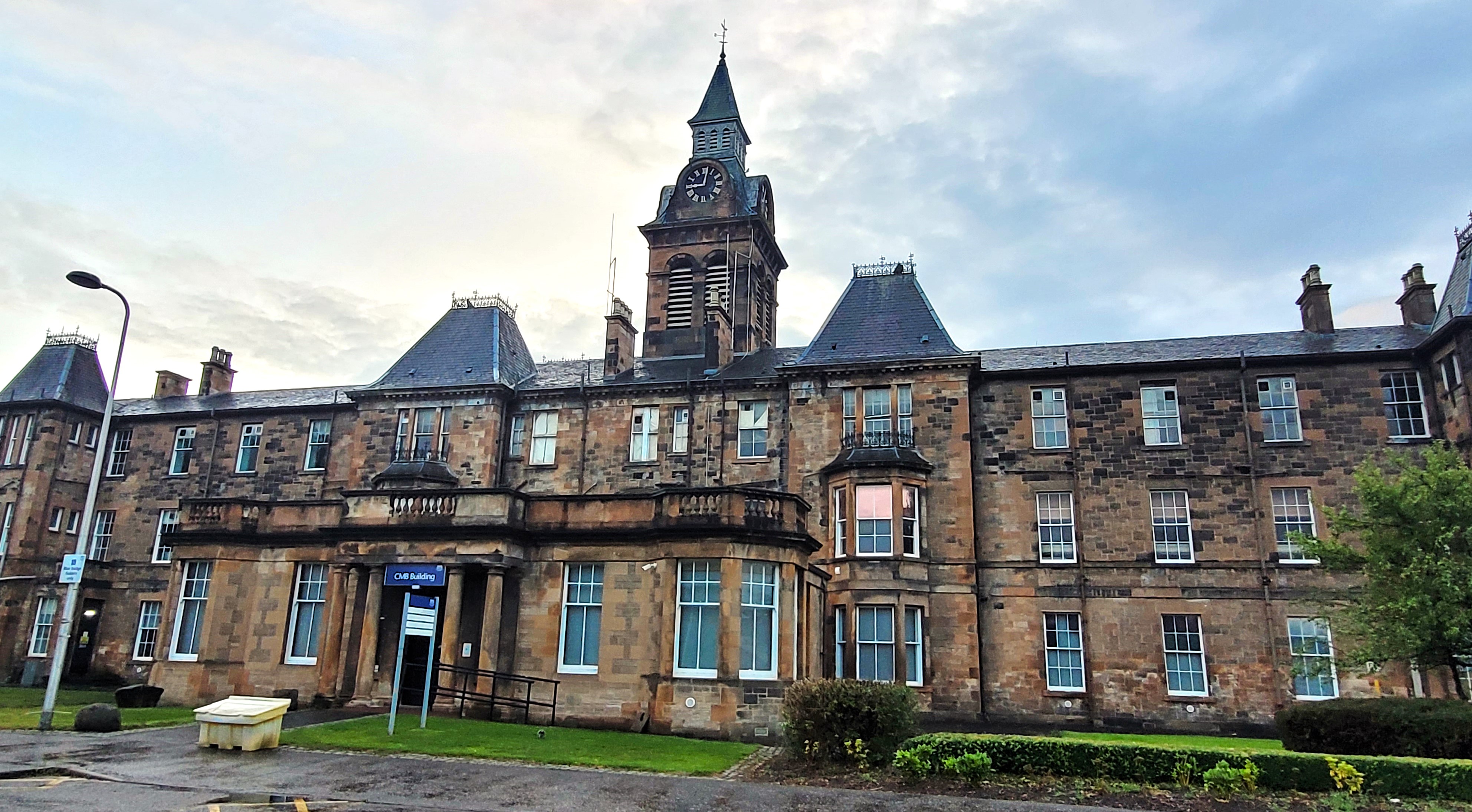
Visiting Glasgow for a couple of days, I tried to find out as much as possible about Olga’s surroundings. What made the greatest impression on me was to visit the former Govan Parochial Hospital. The grounds have now been taken over by the Southern General Hospital, but some of the old buildings still stand. Just touching the walls, imagining Olga walking in and out of there, working to achieve her dreams, was very moving. Of course, the inside of the building is all changed – it is completely modernised.
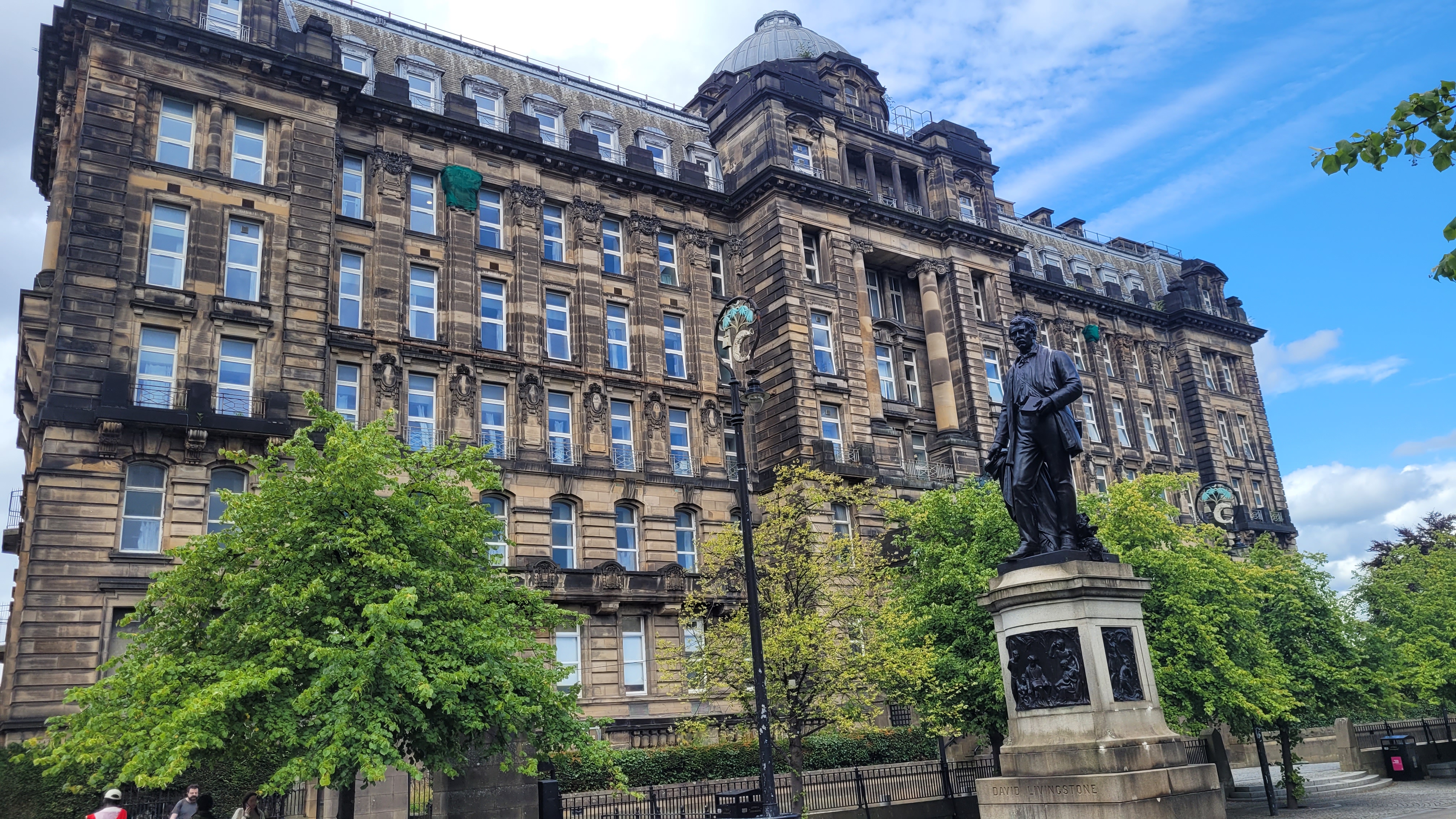
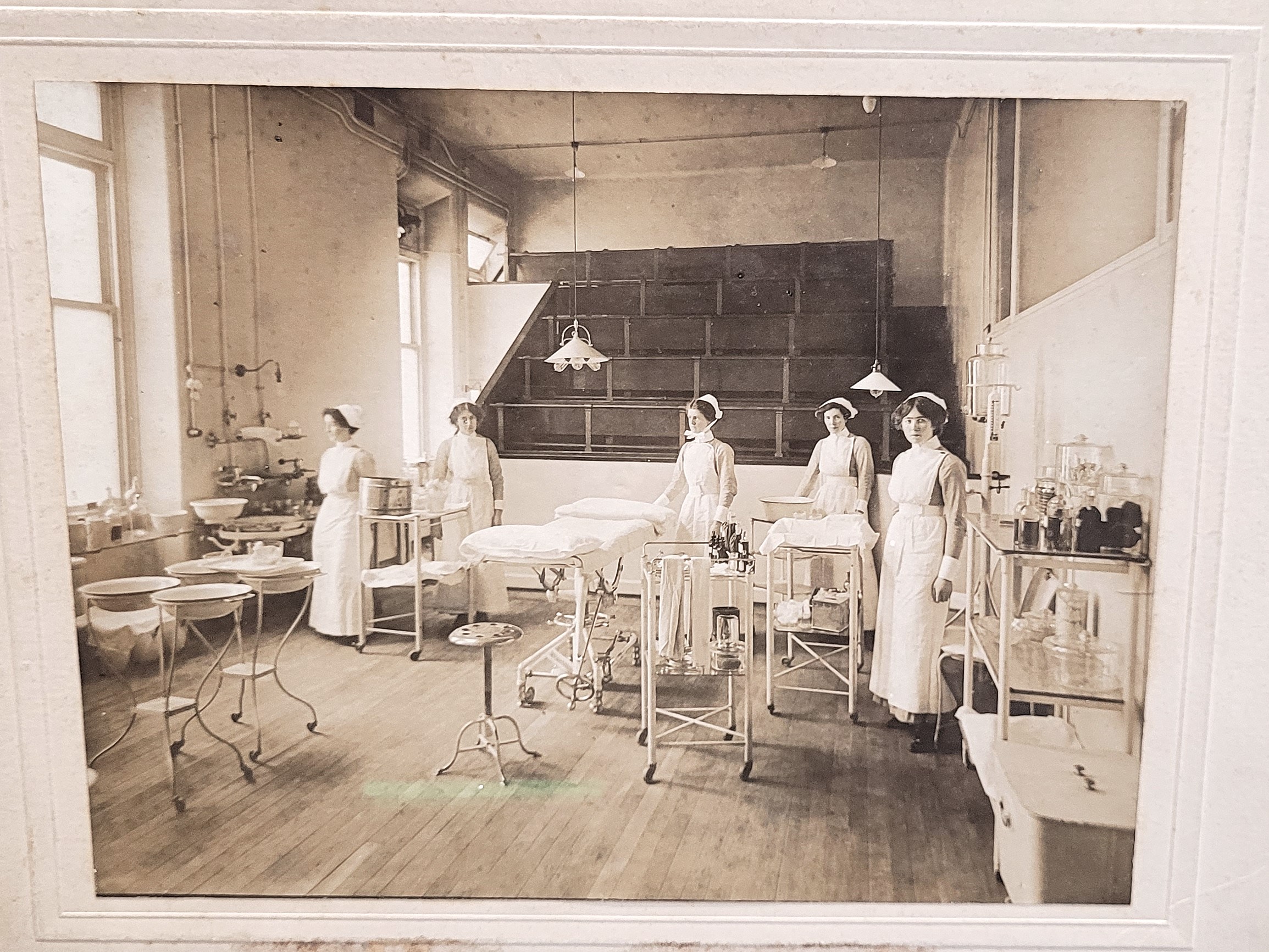
I also visited the Western Infirmary, which is still a working hospital in Glasgow. To my surprise, they had a small exhibition about the history of the hospital where I could get a glimpse of how things must have been, when Olga was training to be a nurse here in Scotland. There were even photos to see from 1901, with nurses in uniforms looking very similar to the one OIga wears in her nurse photo (above).
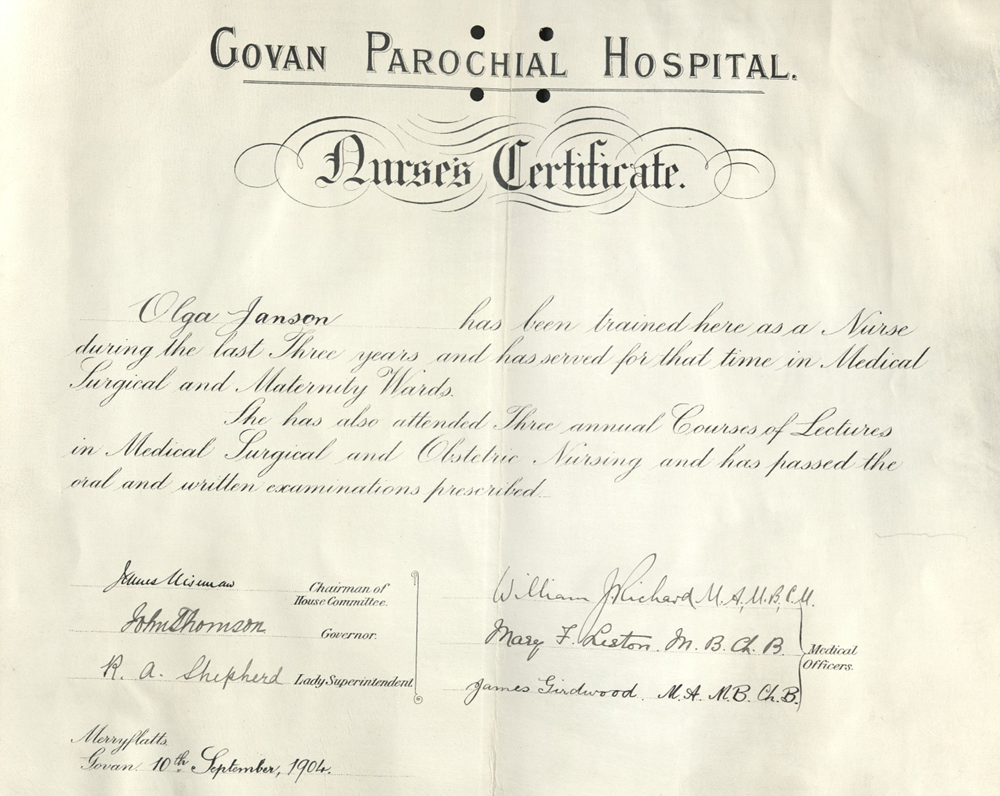
From my research in the Swedish national archives, I have found some certificates testifying that Olga attended courses at the hospital and some recommendation letters that she included in her application to the mission.
September 10th, Govan Parochial Hospital, Merryflatts, Govan, Glasgow.
‘It is hereby certified that Miss Olga Jansson joined the staff of this hospital as a Nurse Probationer on the 10th Sept 1901; that she has attended courses, 7 lectures on Medical, Surgical, nursing and that she has passed the various examinations and practicals prescribed during the above period.
/ William Richard M.A. U.B Medical Officer / R.A. Shepherd Lady Superintendent.’
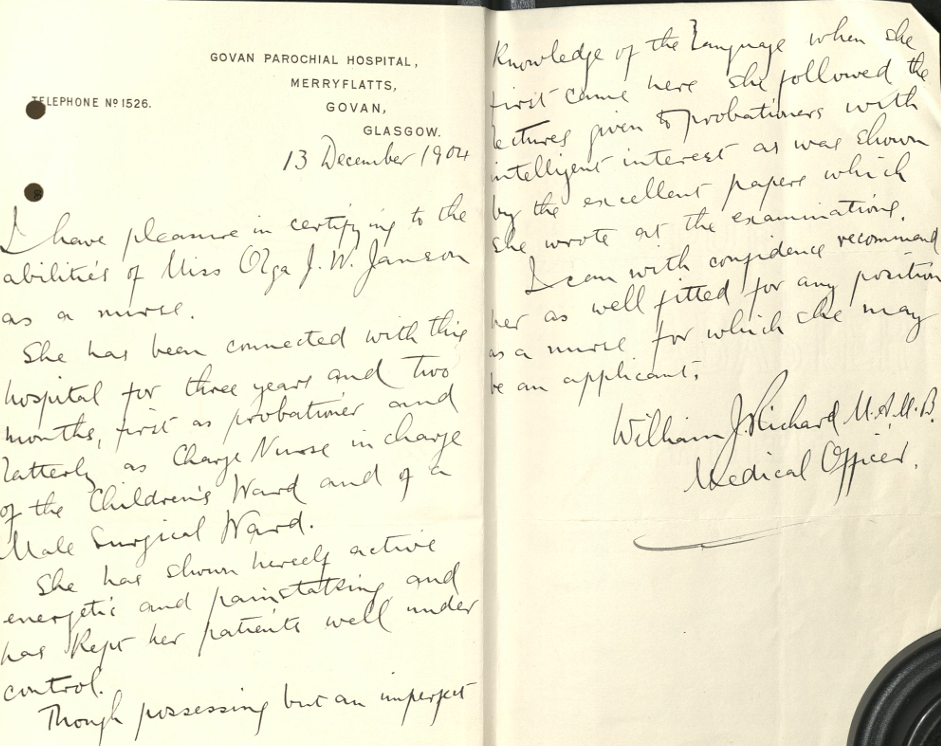
On December 13th, William Richard, Medical Officer, wrote the following recommendation:
‘I have pleasure in certifying to the abilities of Miss Olga G.W. Janson as a nurse. She has been connected with this hospital for three years and two months, first as probationer and latterly as Charge Nurse in charge of the Children’s Ward and of a Male Surgical Ward. She has shown herself active, energetic, and painstaking and has kept her patients well under control. Though possessing but an imperfect knowledge of the language when she first came here, she followed the lectures given to probationers with intelligent interest, as was shown by the excellent papers which she wrote at the examinations. I can with confidence recommend her as well-fitted for any position as a nurse for which she may be an applicant.’
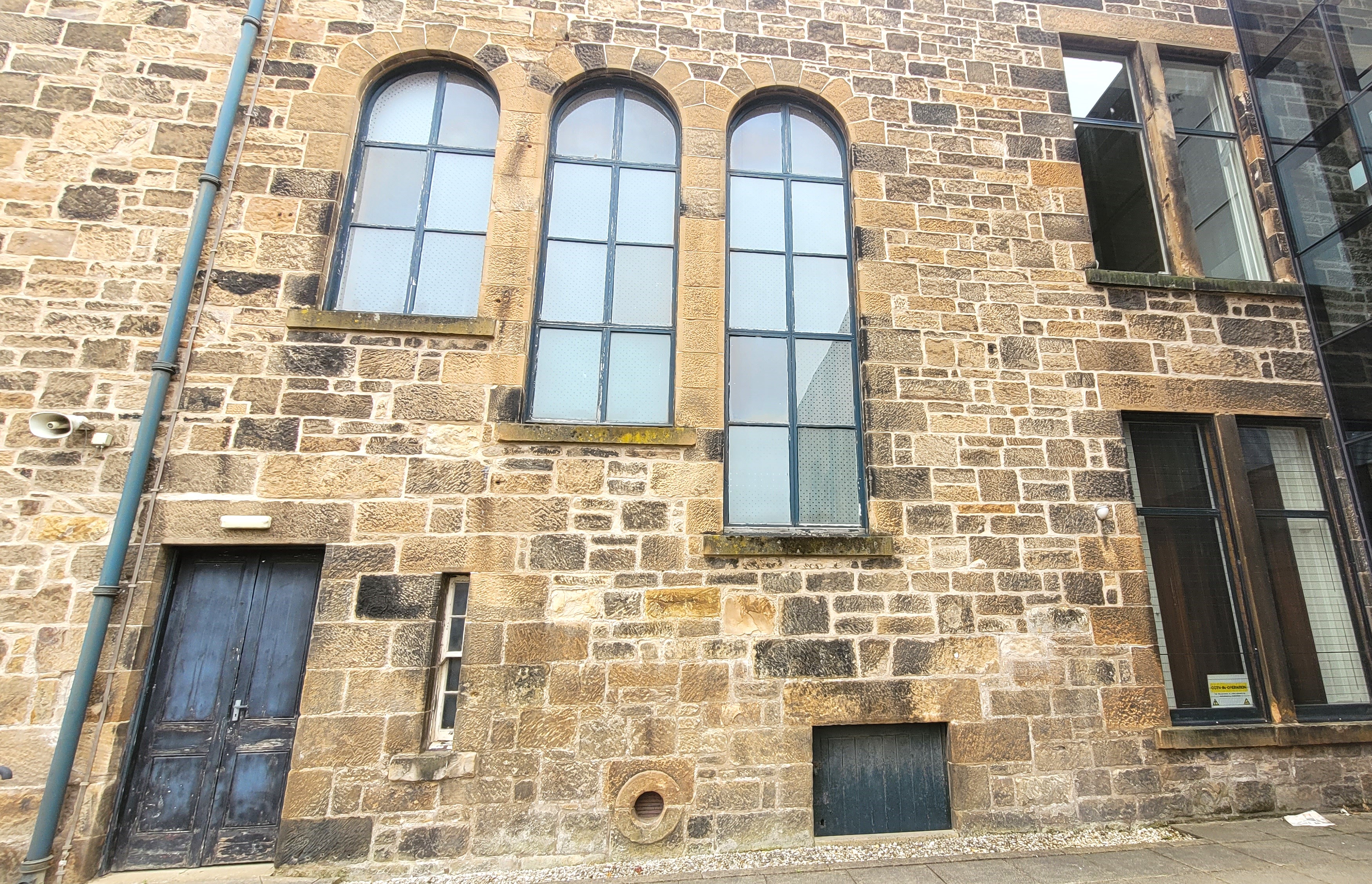
Not far from Govan Parochial and the Police station in Orkney Street, a new Town Hall stood finished in 1901 – during Olga’s time in Glasgow. I am sure she must have gone there to admire this new and imposant building at some point.
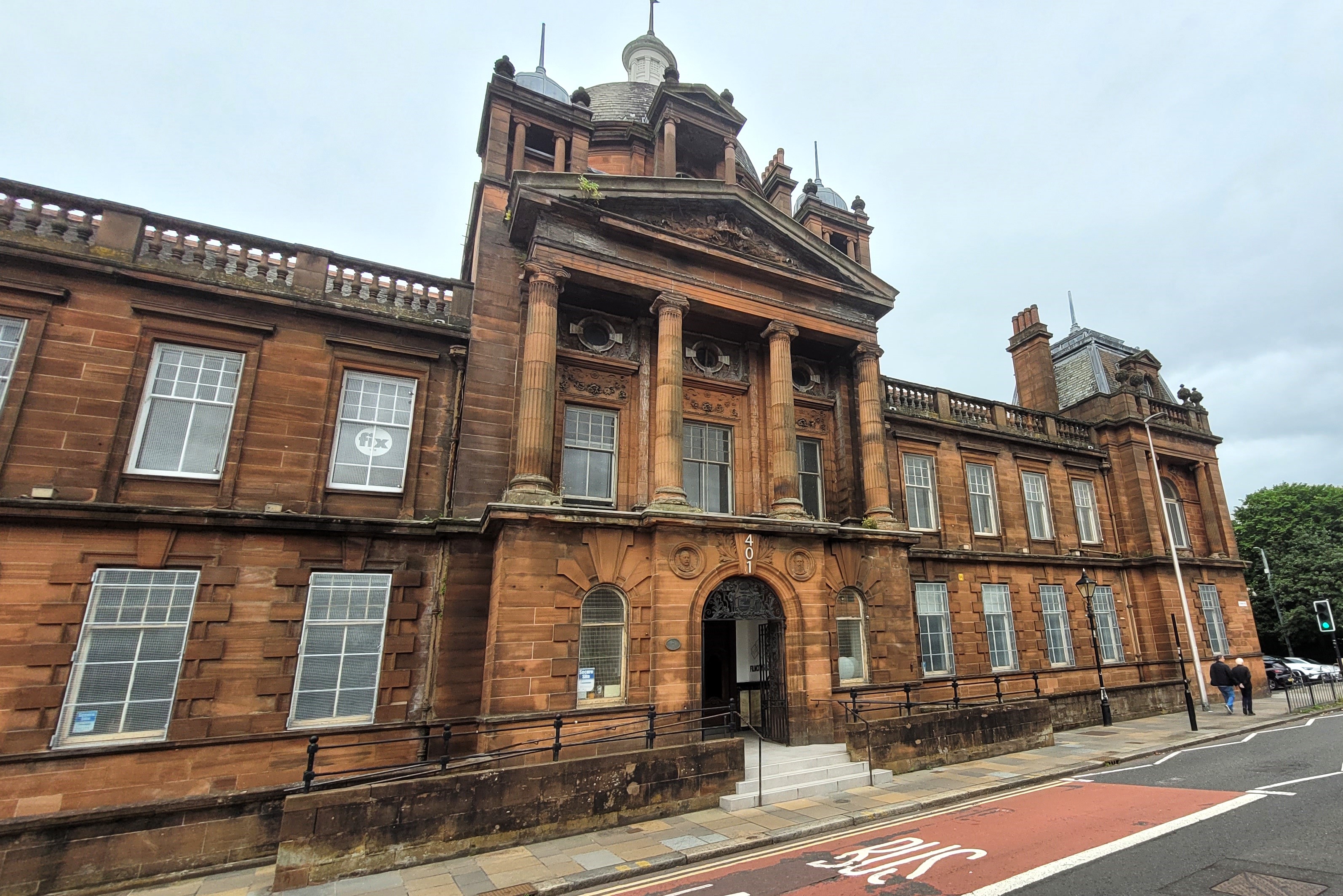
Today, it is privately owned – like so many old buildning seem to be in Scotland – and houses Film City Glasgow. I was not allowed in to look at the main hall, but on their site, one can catch a glimpse of the still intact architecture.
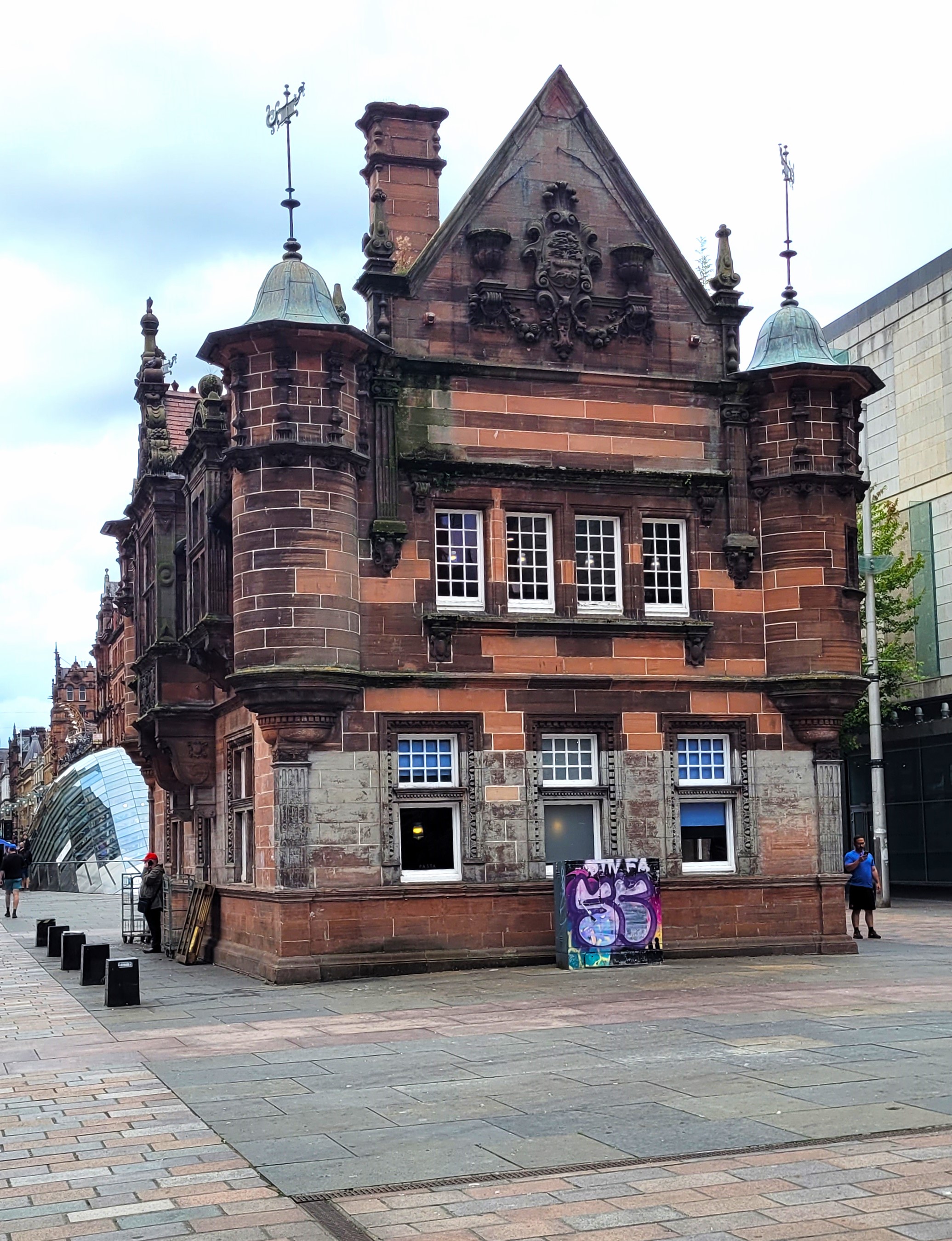
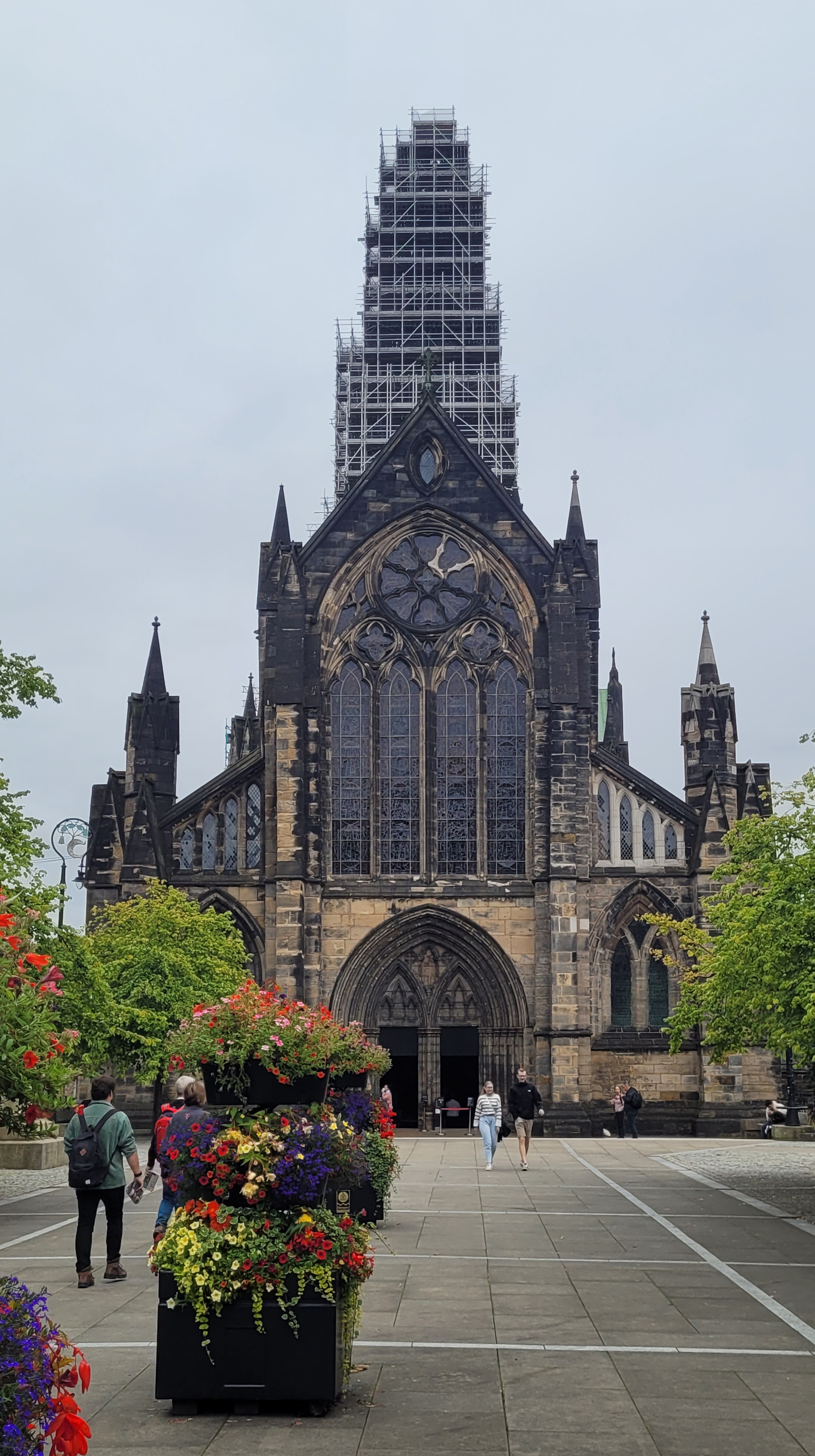
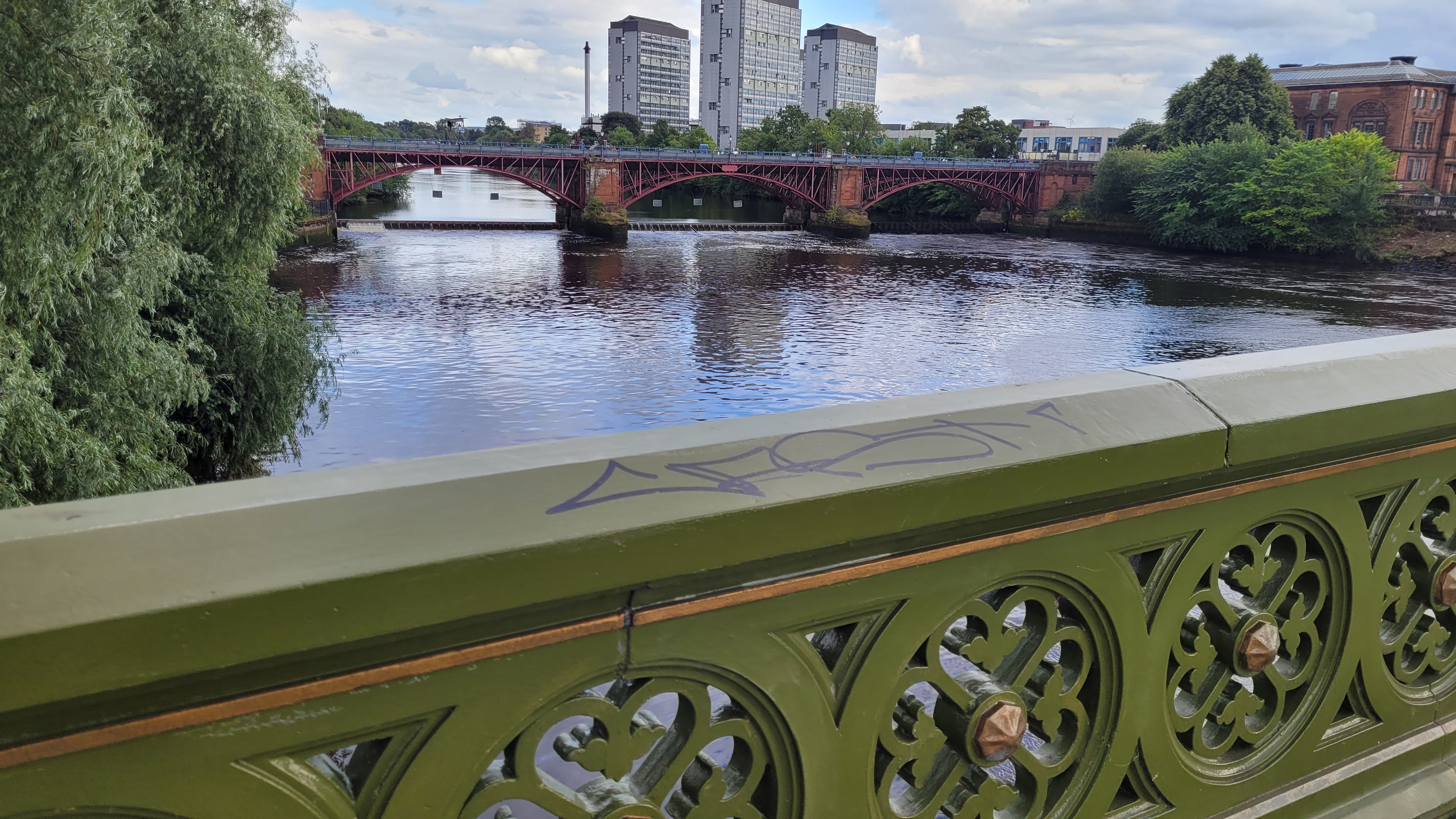
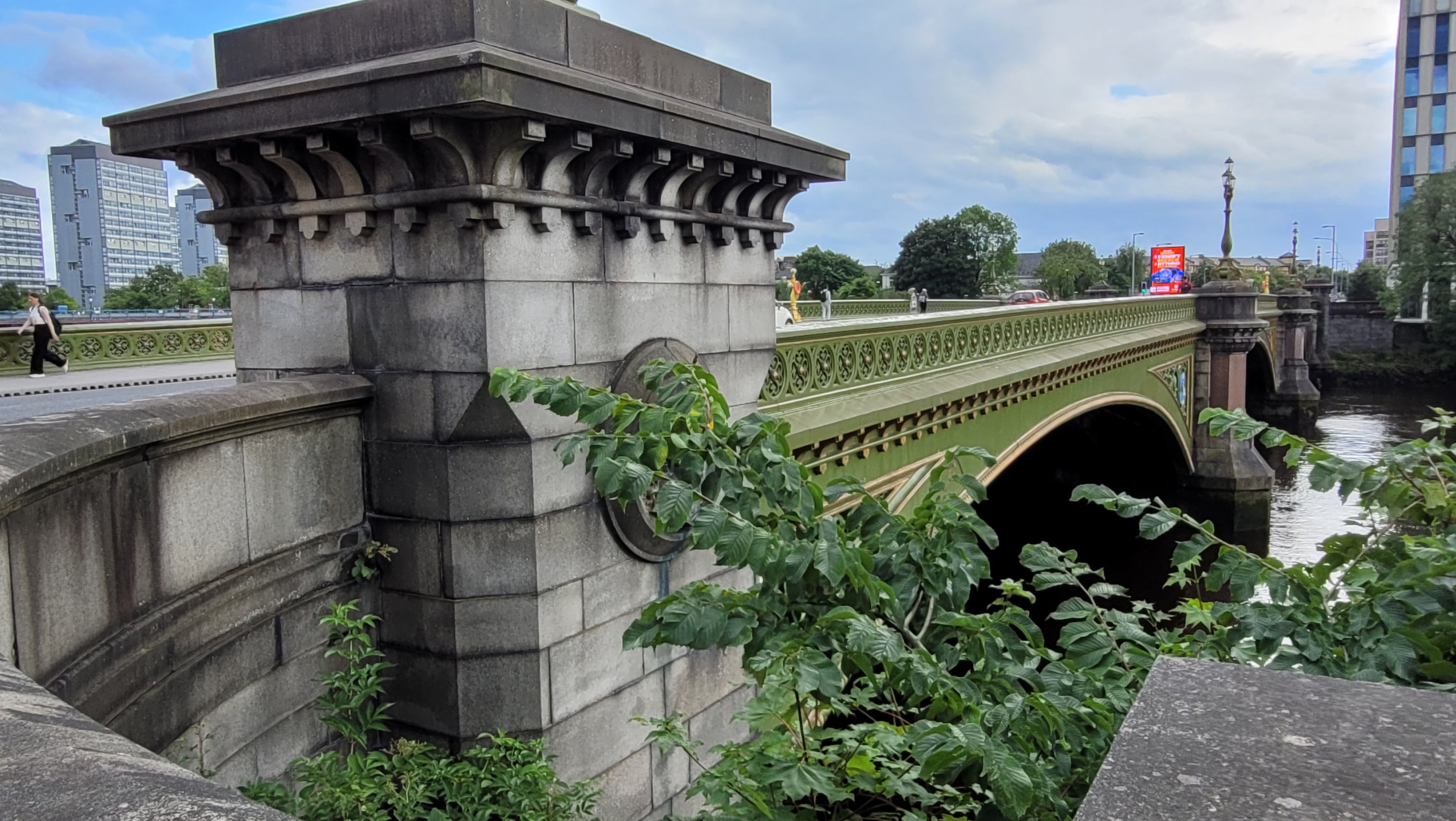
Simply visiting Glasgow and observing the old buildings that still stand – buildings Olga must have seen or passed by – was quite fascinating. In her time, the streets were filled with horse-drawn carriages and old-fashioned trams. The city center was smaller, and the shipbuilding along the River Clyde was bustling. Today, the majestic river flows quietly beneath Glasgow’s many bridges.
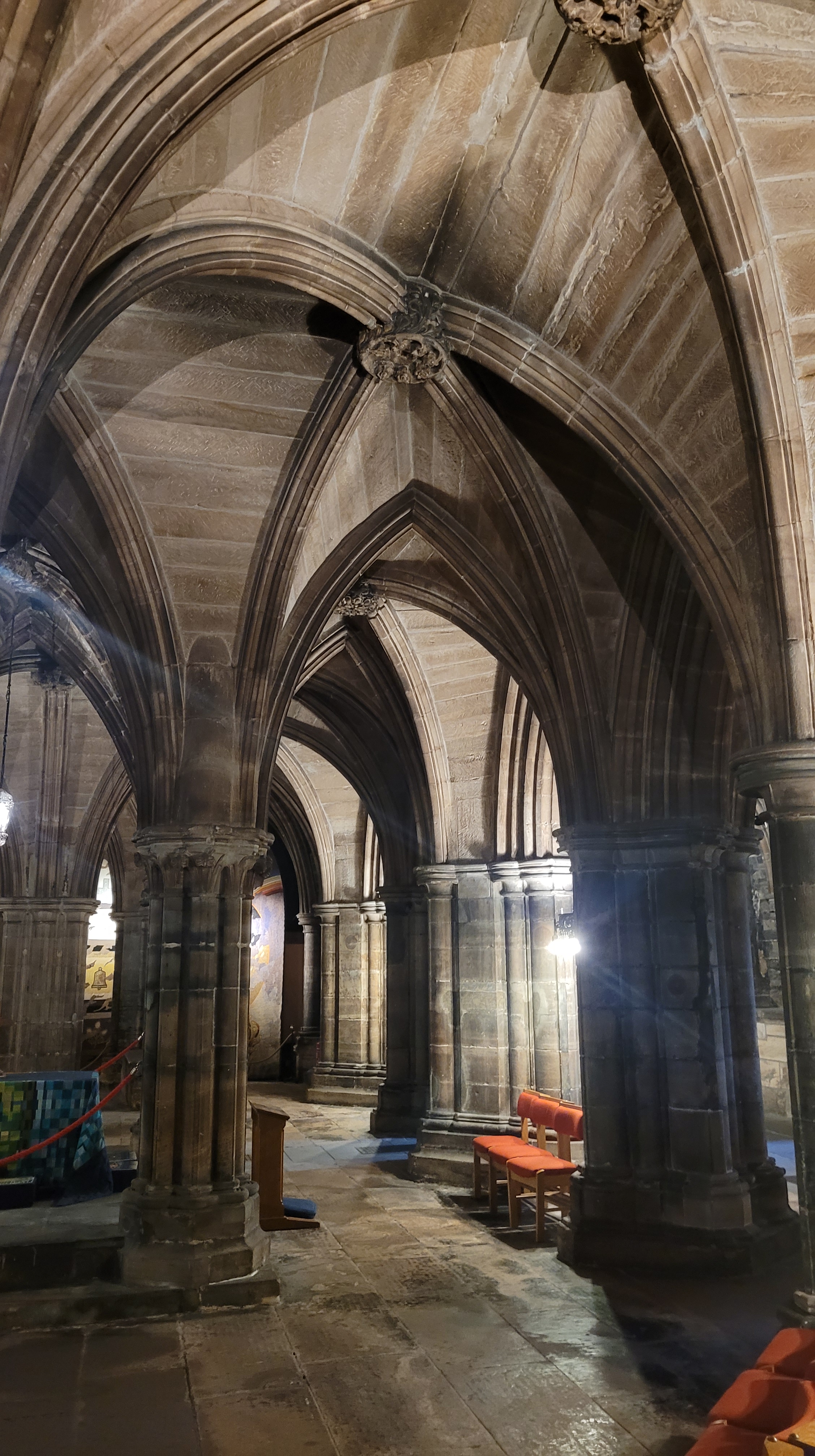
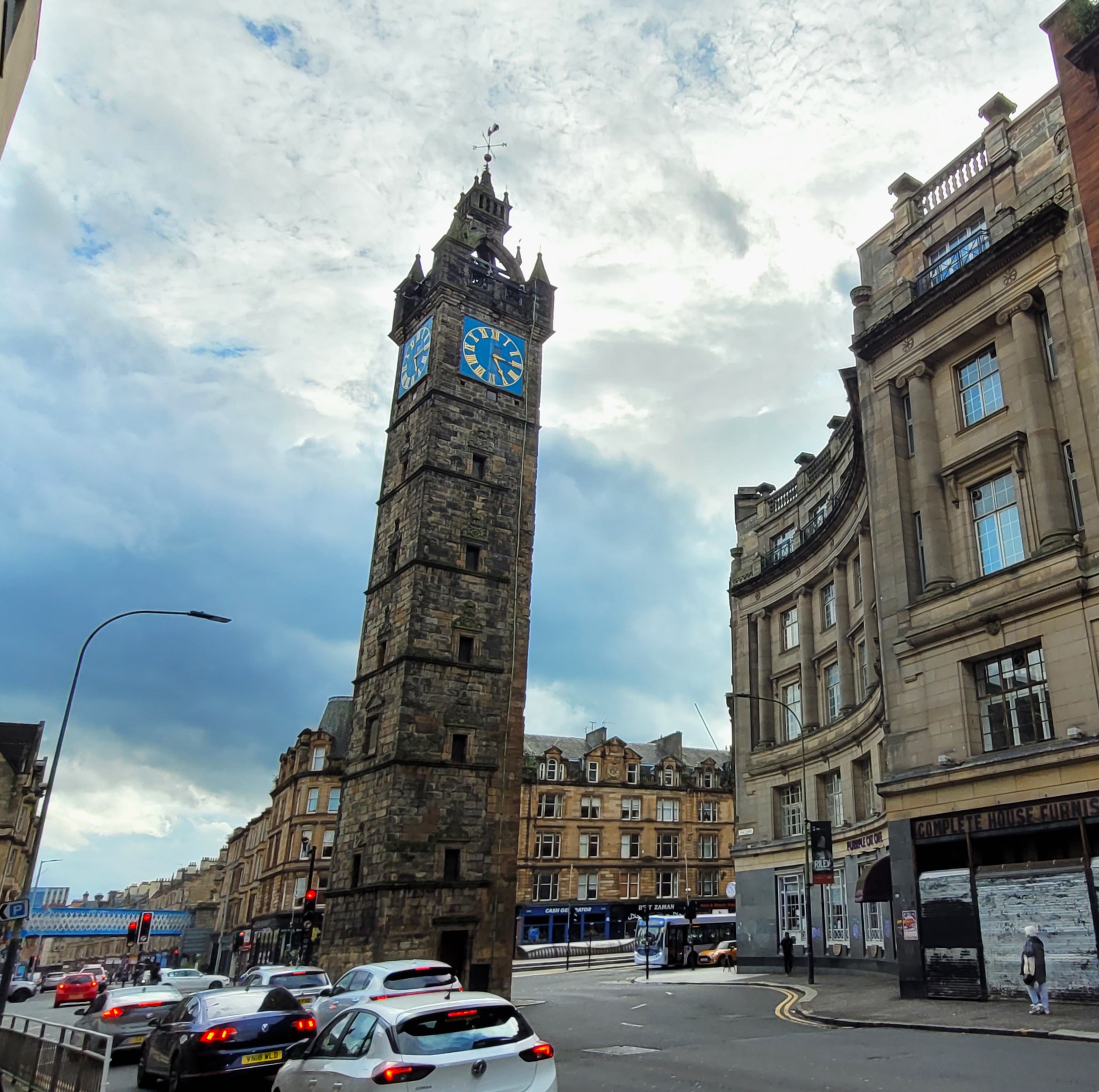
Surely, Olga must have walked along High Street, passed the Tolbooth Steeple, and crossed the Clyde on Albert Bridge. Perhaps she did so on her way back from visiting the Western Infirmary or after sneaking a peek inside Glasgow Cathedral.
Returning to leave
On December 16, 1904, Olga left Glasgow to return home. She was now ready to apply to become a missionary, proficient in both English and healthcare.
She was consequently accepted as a missionary by the Swedish Mission in China and was, of course, overjoyed. However, she realized that she would have problems in China if her last name remained Jansson since there was already a missionary there with the same name. She, therefore, had to write to the King’s Commissioner in Stockholm to request a name change to her mother’s maiden name – Ahlman.
Her request was granted, and Olga Ahlman could now start her new life in China, carrying her new surname and surely a stronger self-confidence.
Her daughter Edna – my grandmother – used to tell me about Olga’s difficult experience at the cookery school in Glasgow, but it is only through research in the archives and finding different articles in the mission paper, that I have been able to put together her whole sejour in Glasgow. Now, that I have been there and also taken part of other missionarie’s accounts of the city, I feel a bit closer to Olga than before. It’s a nice feeling.


I read this piece and watched the picture with great joy Thérèse, as always. I love the way you dig up information, reading, investigating, travelling and looking with your own eyes. This brings the story of this brave young girl abroad trying to get educated in a hardly known language to life. What I did ask myself: was the urge to be a missonary solely a matter of faith and wanting to do good, or was it also a way to broaden the view, having a look into the big wide world, adventure? I could very well imagine the latter, especially for women in that time, played a certain part. It’s cool to follow you laying down the puzzle of your relatives, in the not to common choices they made. Oh! I want to visit Glasgow now. 🙂
LikeLiked by 1 person
Hi Peter, and thank you for your boosting and insightful comment! I think your question is very valid – I have been thinking about that as well. When Olga left her archipelago island at 14 years of age, I think there was certainly more to the decision than just wanting to some day become a missionary. Her reasons were probably a mixture of not wanting to stay in a quite poor environment where the family was probably struggling to make ends meet, a need to become self sufficient, and a desire to see what was beyond the islands, on the mainland. She had seen her mother get remarried after her father’s death, and it does not seem to have been out of love, rather out of necessity. That could have pushed her out as well. Later on perhaps also an understanding, that though life as a missionary would not be easy, it would give her a higher status in society, a group of like-minded to work with and a chance to travel. I don’t know if she actively thought about this before setting out, but she might have acted on it subconsiously.
The fact that she dared venture out to Scotland to learn English is a testament to her quite adventurous side – as well as the fact that she stayed on in China, though the struggles and dangers where more than most people could deal with.
Even though her time in Scotland was not always easy, I also think she saw her own potential – she was able to learn a new language, she was able to secure an advanced position at the hospital and she did it without a man – or rather thanks to the fact she was not married to a man. She must have felt like she could do anything, and in her mind it was God that lead the way and justified the bold choices she made. At least, that is what I can imagine.
I can highly recommend visiting Glasgow – it is such an interesting city. I am sure you could take amazing photos there, not least of the clash between old and new 😊.
LikeLiked by 2 people
Wow! How fun to see the places where your great grandmother lived and studied! It makes me want to go to Ludington, Michigan so I can do the same thing. My great grandfather’s tailor shop is a yarn shop now, and I would love to go see it and think about what it must have been like back then! 😀
LikeLiked by 2 people
It was a great experience – it’s so much easier to imagine what it must have been like, when you walk the streets yourself and get that whole context of the surroundings. The owners of that yarn shop will most certainly help you out and show you the back rooms if you ask them. People are mostly so friendly!
I once visited a mission house the father of my great grandfather built. It was privately owned, but the owners were very happy to share information with me and show me around. I wrote about that here: https://thereseamneus.wordpress.com/2022/04/24/remembering-those-we-have-lost/
I’m rooting for you going to Michigan! 💪
LikeLiked by 2 people
Yes, a cousin of mine went there and they showed him around. He also went to the house where our great grandparents lived and the people who live there actually let him in and gave him a tour of the house! I checked the post you mentioned and it looks really interesting. But since it’s almost 1:30 here, I think I will wait and read the whole thing in the morning. 😀
LikeLiked by 1 person
Yes, it’s wiser to go to sleep 😄! Here, the sun is out and we have a promise of a lovely summer day ahead of us.
I love the fact that your cousin was let in and shown around the house – isn’t it amazing how people help each other and how we understand that need to investigate our roots. It’s something most can relate to, I think 😀
LikeLiked by 1 person
Nice to read this new blog. Vi sitter nu i bussen ( i Polen) ska besöka Estland, Letland och Litauen.
Var intressant att läsa om Olga, allt hon fick vara med om…. Missionärerna hade det inte lätt på den tiden!
Hälsningar Birgitta
LikeLiked by 1 person
Åh, hoppas att ni får en härlig resa till Baltländerna! Jag var i Tallinn i våras – underbart söt gammal stadskärna där!
Nej, missionärerna var otroligt starka och modiga, måste man säga!!
LikeLike
This is a fascinating piece of Olga’s early life. She was obviously very determined in her desire for missionary work to undertake the courses of study she did. Thank you for the photos of Glasgow. The old buildings look quite sooty.
LikeLiked by 1 person
Hi Liz! She surely must have been. And I am certain the soot was even worse back when she lived in Glasgow – they are frequently cleaning the buildings today. I have read letters from Swedish missionary students in Glasgow, where they describe the air as very dark, even hard to see through – perhaps smoke of some sort. With all the ship building industries and heating issues, the buildings must have been affected. I liked that many buildings were sooty – it was easier to imagine what it must have looked like when Olga lived there. Thank you for popping in!
LikeLiked by 1 person
It was my pleasure, Therese!
LikeLike