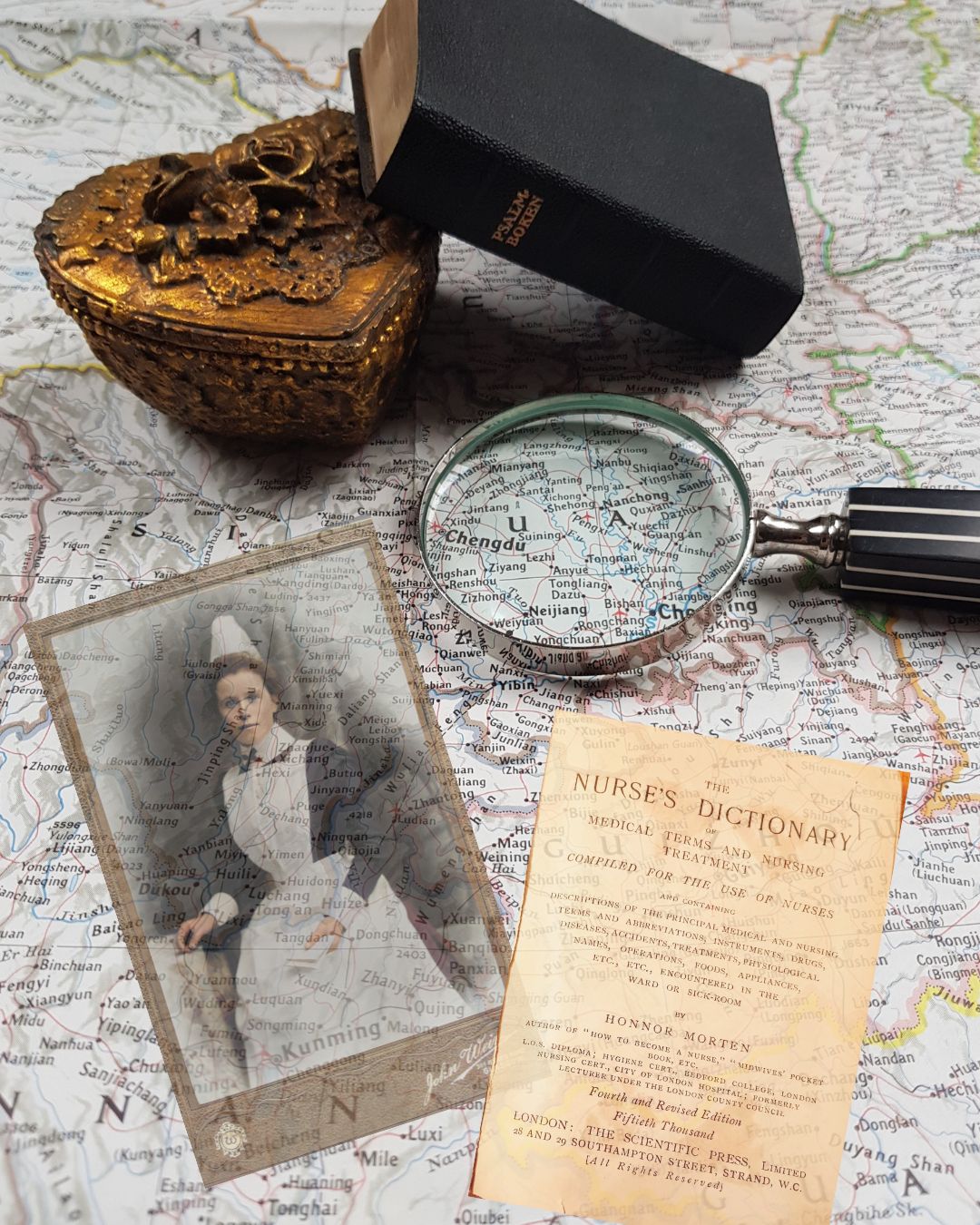
– the reality of practicing medicine in China in 1907.
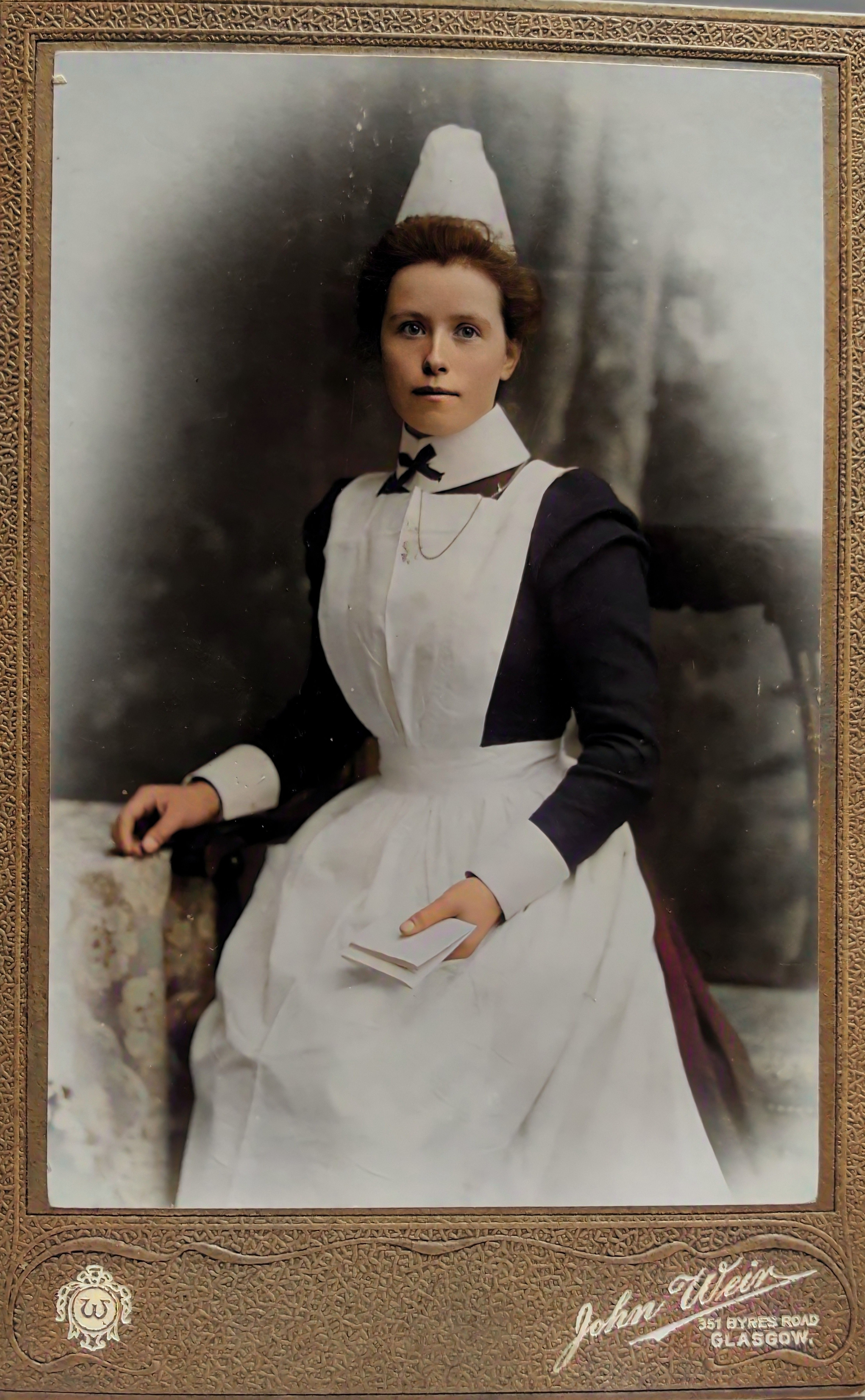
My great-grandmother Olga Styrelius arrived in China in November 1905 and was almost immediately sent out into the field. In fact, she did not – as per ususal – get the possibility to go to the womens’ seminar in Yangchow to learn Chinese before being called to attend to my other great-grandmother Dagny who had some issues with her pregnancy.
Thus, Olga had to study Chinese with the help of people at the mission station and the other missionaries. Olga’s medical knowledge from her time in Glasgow was something very sought-after in China back then, and nobody could wait for her to learn the language before getting to work. In the book she wrote about her adventures, she describes several patients that she tended to in China. But it was not an easy job – she had to come to terms not only with the language, but also with the culture and customs at the time.
She writes:
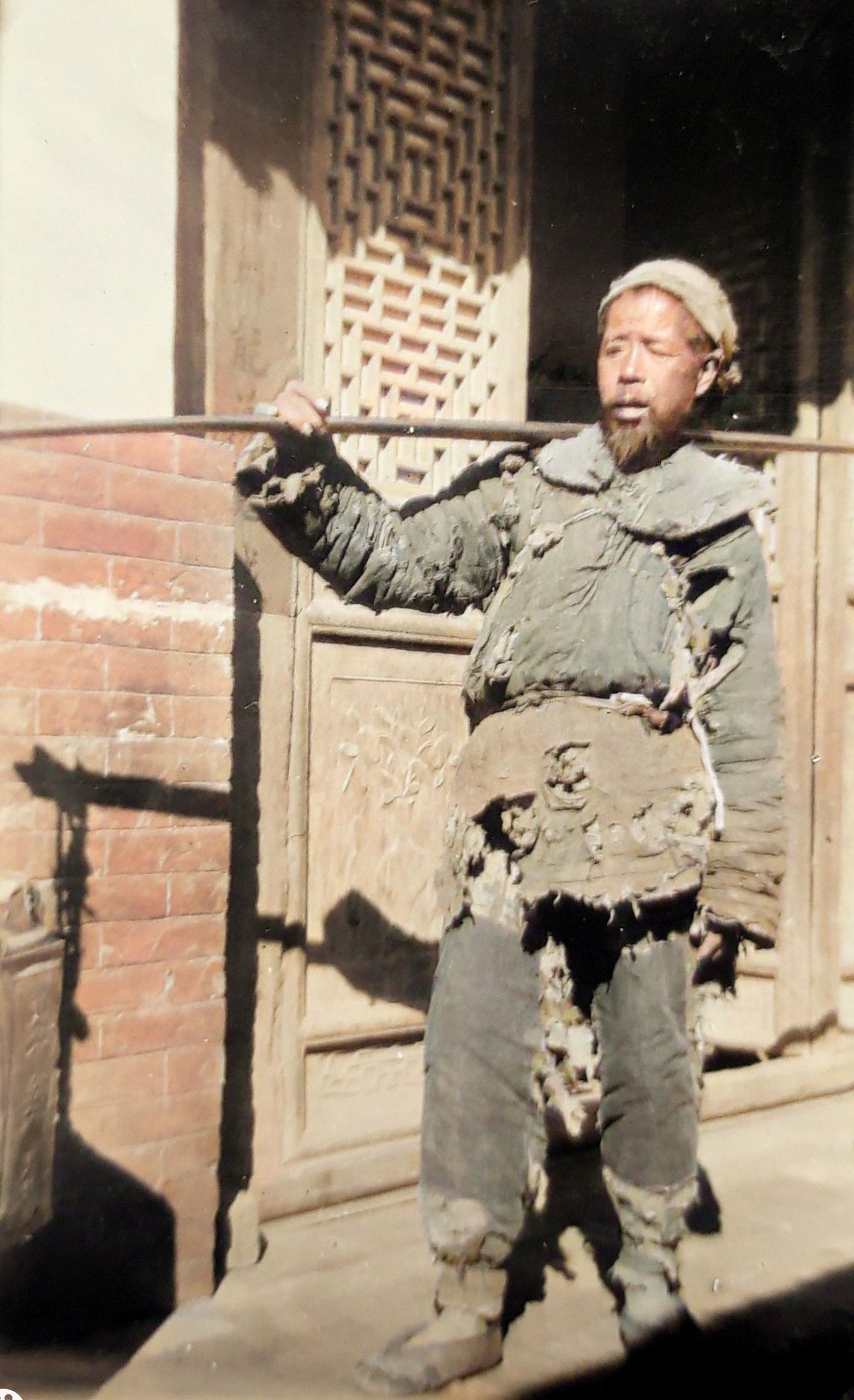
“In the early summer of 1907, I remained in Yuncheng after the conference there. My companions, the Berglings, had travelled down to the coast for that summer. During my stay in Yuncheng, I had a great deal of medical work. I was supposed to study the language now, but in the end I had to put my books aside, for the medical work took up so much of my time. It was hot, often reaching as much as 38 degrees in the shade. A man from a village in the Ishi district stayed at the station for a couple of months to receive treatment. He had deep sinus tracts in one leg and in one knee. The wounds had to be attended to daily. When, after two months, he was able to return home fully recovered, he was very grateful. He had suffered from this ailment for several years.
Every Sunday he attended the church services. Missionary Berg (first name: August, editors’ note) also often had long conversations with him. One day during the summer, a young Chinese official came to the station in his luxury carriage. What could he want? He had never been there before.
‘Ah,’ he said, ‘I have heard that there is a female doctor there.’ And he now wanted to ask her to come with him to his father, who was seriously burned.
When the matter was presented to us, I quickly gathered medicine, instruments, bandages and other supplies that I thought I might need, and went with him to his home. In my company were an older female missionary and a young Chinese Christian, who could speak to the women and the men in the household. I also needed an interpreter at times, for I still did not know much Chinese.
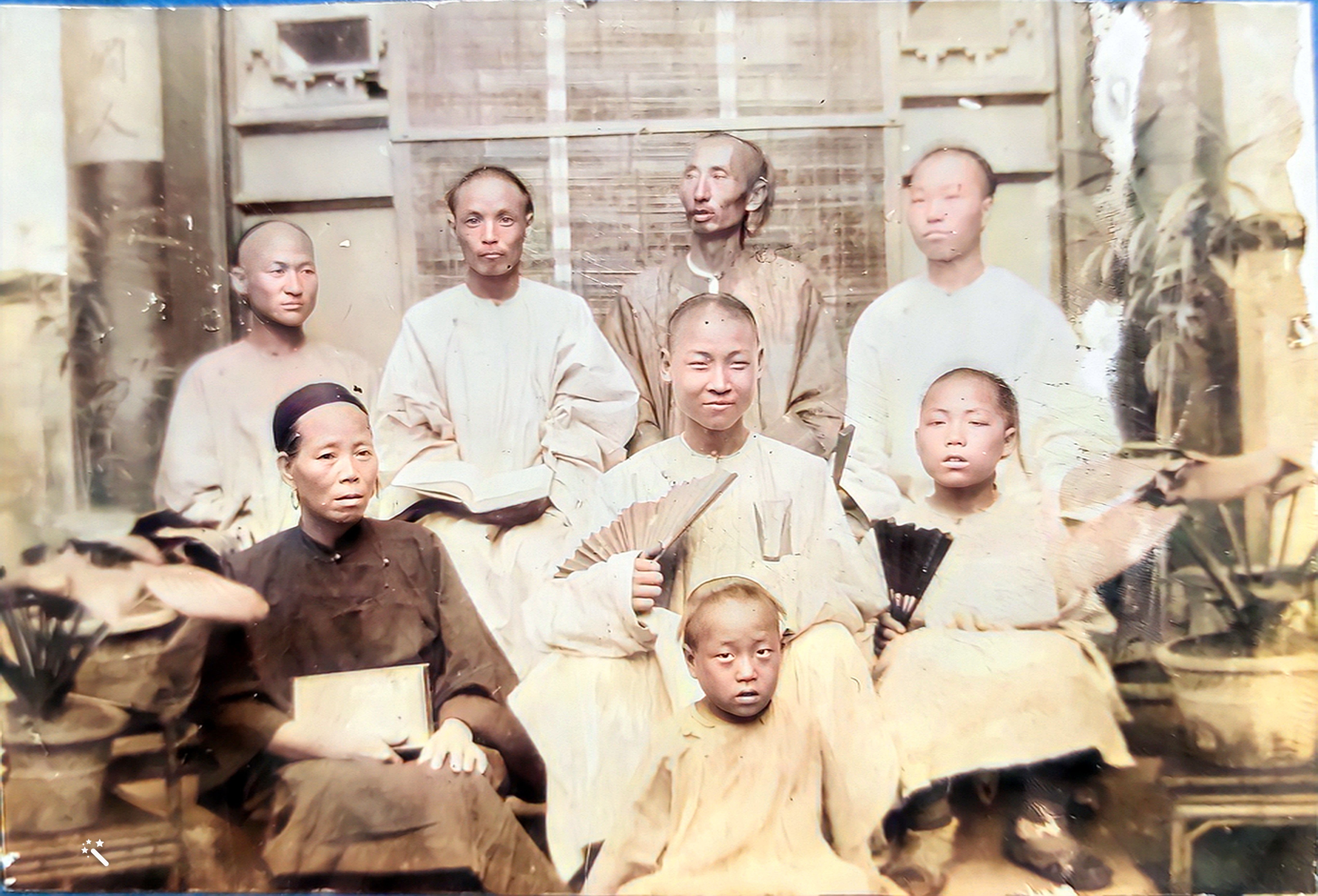
After the polite greeting ceremonies, which at that time, especially among the educated, were more complicated than they are now, and after we were offered a cup of tea, we were shown in to the sick man. On the kang (warm brick construction used as both stove and sitting/sleeping area, editors’ note) lay a man in his sixties, groaning in pain. He looked sick and suffering. What had happened?
He had, as an official, burned incense in the temple to the gods’ honor early in the morning on one of the state’s memorial days. On his way home he was tired and cold, for it had been a rainy morning. He then threw himself down on the kang to rest and sleep. Beside him stood a brazier of charcoal, burning to keep him warm.
During his sleep he threw both feet into the fire without waking. He had probably also been stupefied by the charcoal fumes, for they can be incredibly numbing. His shoes and socks, which were of cloth, caught fire, and he was burned down to the skin before he woke in fright from the pain.
At his cry, the people rushed in, hastily tore off what was left of the charred socks, with the result that all the skin and part of the flesh came away as well. They then wrapped him in some cloth, but the pain was so severe that he would not allow anyone to touch his feet thereafter.
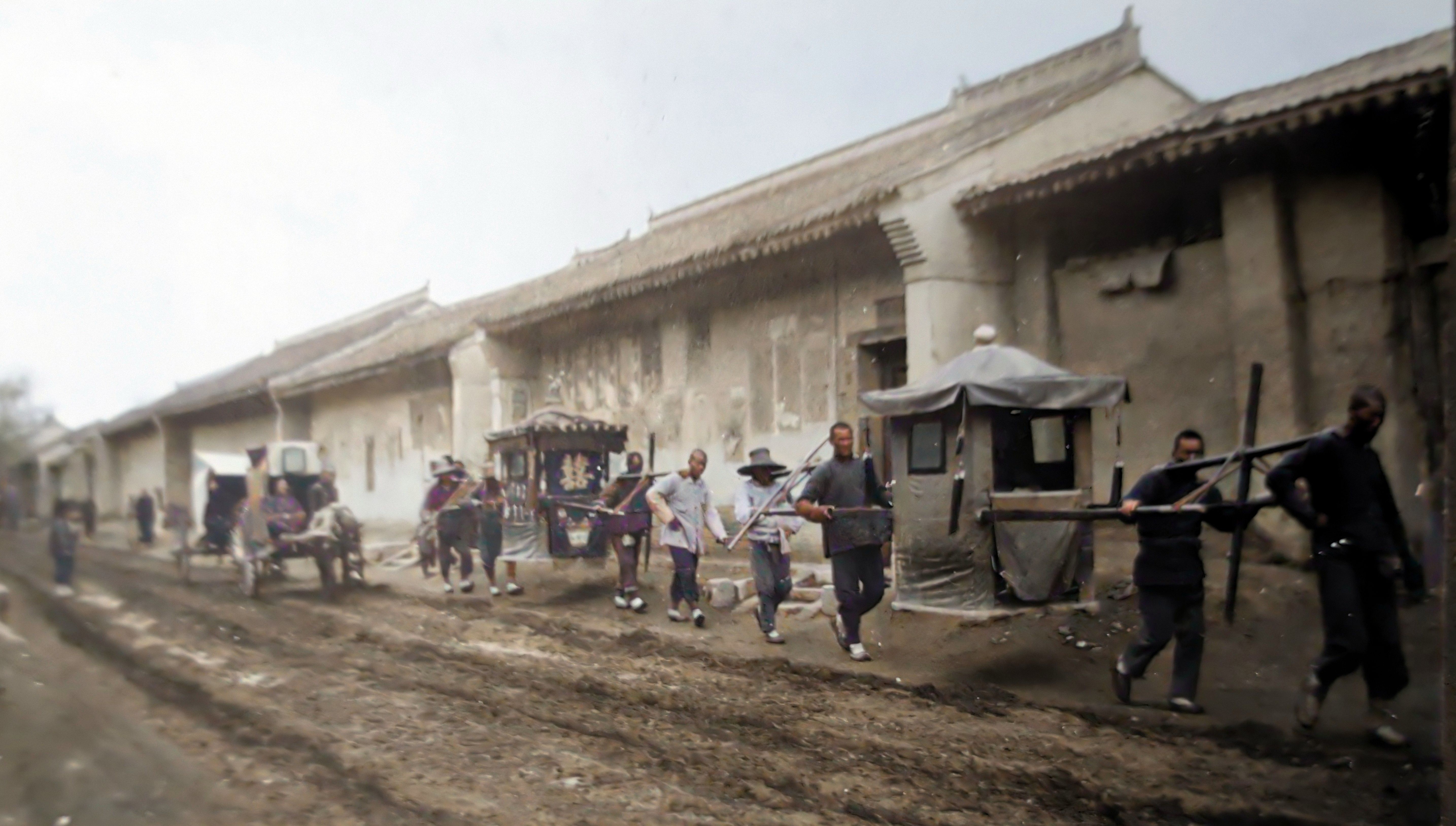
This had happened out in the countryside. The son was not at home, but when he returned, he immediately brought his father into the city and, as I mentioned, then came to us for help.
By the time I was called, fourteen days had already passed since the accident, and the wounds had received no treatment at all during that entire time. I shall surely never forget the dreadful stench that filled the room when I carefully removed the rags and the black mass of pus and dead flesh became visible. It was almost impossible to breathe. The room was swarming with large green flies. It was summertime, and the weather was hot.
The burn on one foot extended from the toes, over the ankle bones, which lay exposed, and all the way up to the shin. The other foot was less severely injured, but it too was horrible to behold. The first period was a difficult task, before all the dead flesh could be removed and the wound had become clean enough to begin healing. Every day they came to fetch us in their fine carriage.
But then one day, perhaps a week or more after I had begun the treatment, the son went away for a few days. During that time, they did not come to fetch us. I did not know that the son had gone away, and I thought to myself: ‘Now they have surely called in a Chinese so-called doctor, since they feel that the recovery is not progressing quickly enough.’
I was just about to send the young man who usually accompanied us to fetch the medicine I had been using, which I had left behind at the house. Then, one day, the young son arrived, greatly distressed, and asked to see me. He fell to his knees before me and bowed deeply.
‘Please, get up, do get up!’ I said to him. ‘I do not want you to do that. And why have you not come to fetch me to your father these past few days? Have you engaged a Chinese doctor? If so, I want nothing more to do with the matter.’
‘No, no, please forgive us, we have not done that. But I have been away from home, and my father felt that the pain was so severe that he would not allow my mother to call for you. But we have had no other doctor. Now he asks you to come again, for after all these days without treatment, the pain has become unbearable. I am so sorry for what has happened. It will not happen again. Please be kind enough to come at once.’
Of course, I was quite willing to go, but I too was saddened when I saw how much the healing had been set back by those days of neglect. Now the old man was only too glad and grateful for the help he received, and soon we had the joy of seeing the wounds begin to heal day by day. He was also given strengthening medicine, and his appetite and strength gradually returned.
Every day, in this distinguished household, we prayed aloud to the great Physician of soul and body. While I tended the wounds, Mrs. Augusta Berg and the young Chinese man spoke to the family about the living God and His love for mankind. They listened willingly; only God knows what kind of soil the Word fell upon.
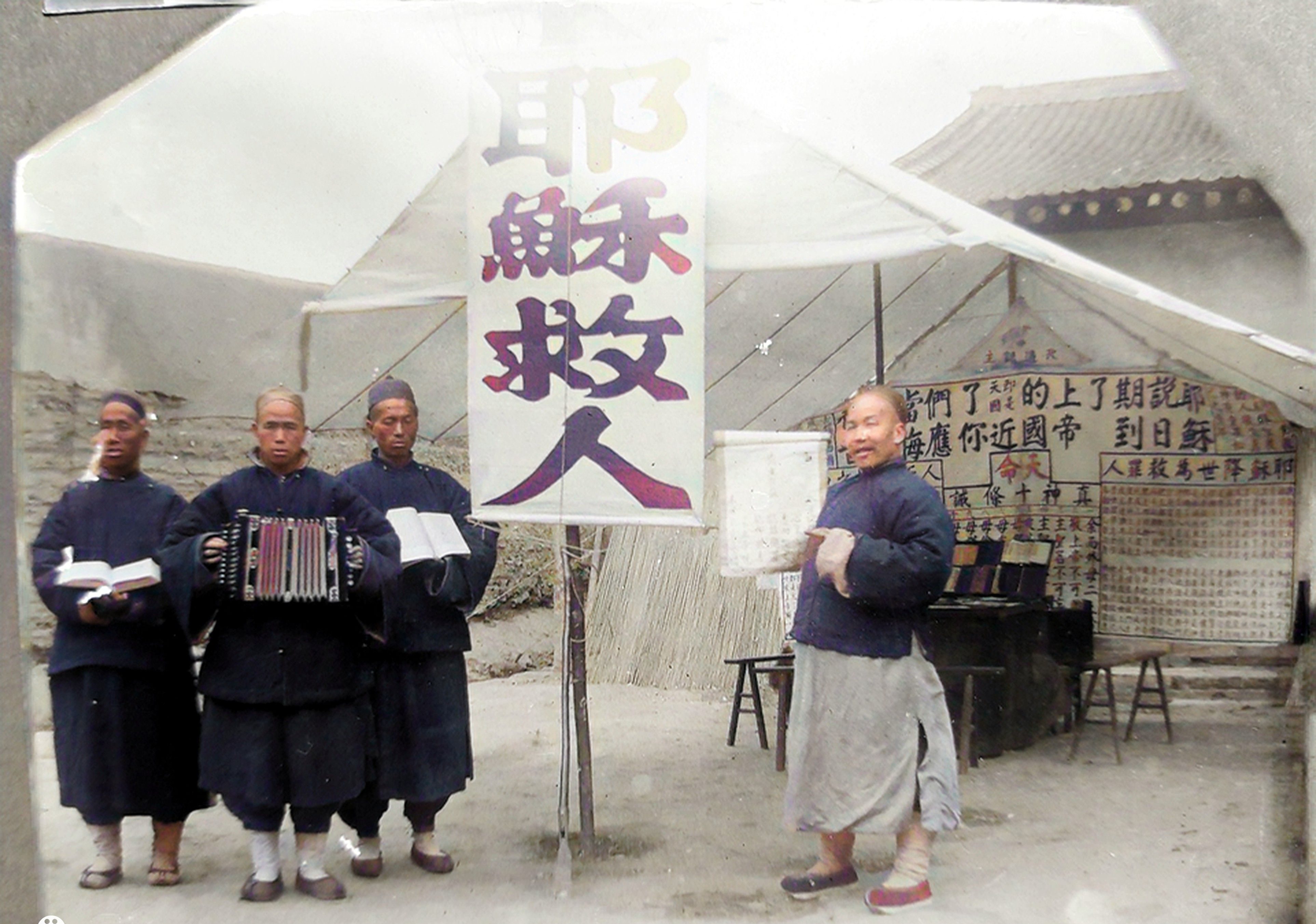
It took some time before Mr. Chang had fully recovered. I believe it took nearly two months. But it was certainly a joyful day for us all when I could say that the wounds were completely healed and Mr. Chang could walk freely about, both indoors and outside.
Nor shall I forget the day when he came in person, accompanied by his servants, to the station to pay us a visit and express his gratitude. He brought gifts of various kinds, among them a very large piece of fresh pork and a hundred fresh eggs. The treatment and medicine, of course, had been provided free of charge.
Much later, during a journey in Honan Province, I met him again. He jumped down from his carriage and came over to greet me. During that same summer, I had many other patients with wounds and abscesses of various kinds, a broken collarbone, crushed fingers, broken bones, and more. It was a busy time.”
I find this passage in her book quite interesting, as it also shows that Olga was very matter-of-fact, and could probably be quite tough at times – like when she doesn’t want to have anything to do with the man if he had seen a Chinese doctor. She surely put a lot of trust in her God, thinking that whatevere happened was God’s will.
But I think she also put a lot of pride in her work – being saddened when the healing had backtracked and happy when she succeeded in curing the man. I also find it interesting that she had made a name for herself in the vicinity as a female doctor – it could not have been evident at the time to trust women as doctors, one would think.
Continue the story:
Before this: Olga Ahlman: Nurse Training in Glasgow Before Becoming a Missionary in China and Retracing Olga’s Steps in Scotland – Thérèse Amnéus (follow Olga’s journey through Glasgow and discover how she prepared for her future as a missionary).
The Material:
Popping Olga – Thérèse Amnéus – about the nursing dictionary Olga used in Glasgow, and that she kept with her all the years. And a never-ending source of inspiration is of course The Library – Thérèse Amnéus
The Place:
What’s In A Place? – Thérèse Amnéus (discover the Chinese mission stations where Olga put her medical training to use, caring for women, children and other patients).
The People:
Dagny at a German hospital in China – another kind of nursing story: Days of Worry – Thérèse Amnéus
Next:
Slow Travelling News – Thérèse Amnéus – how to communicate with your loved ones and other missionaries, if there was an urgent situation – i.e. medical emergency or such.


Leave a Reply