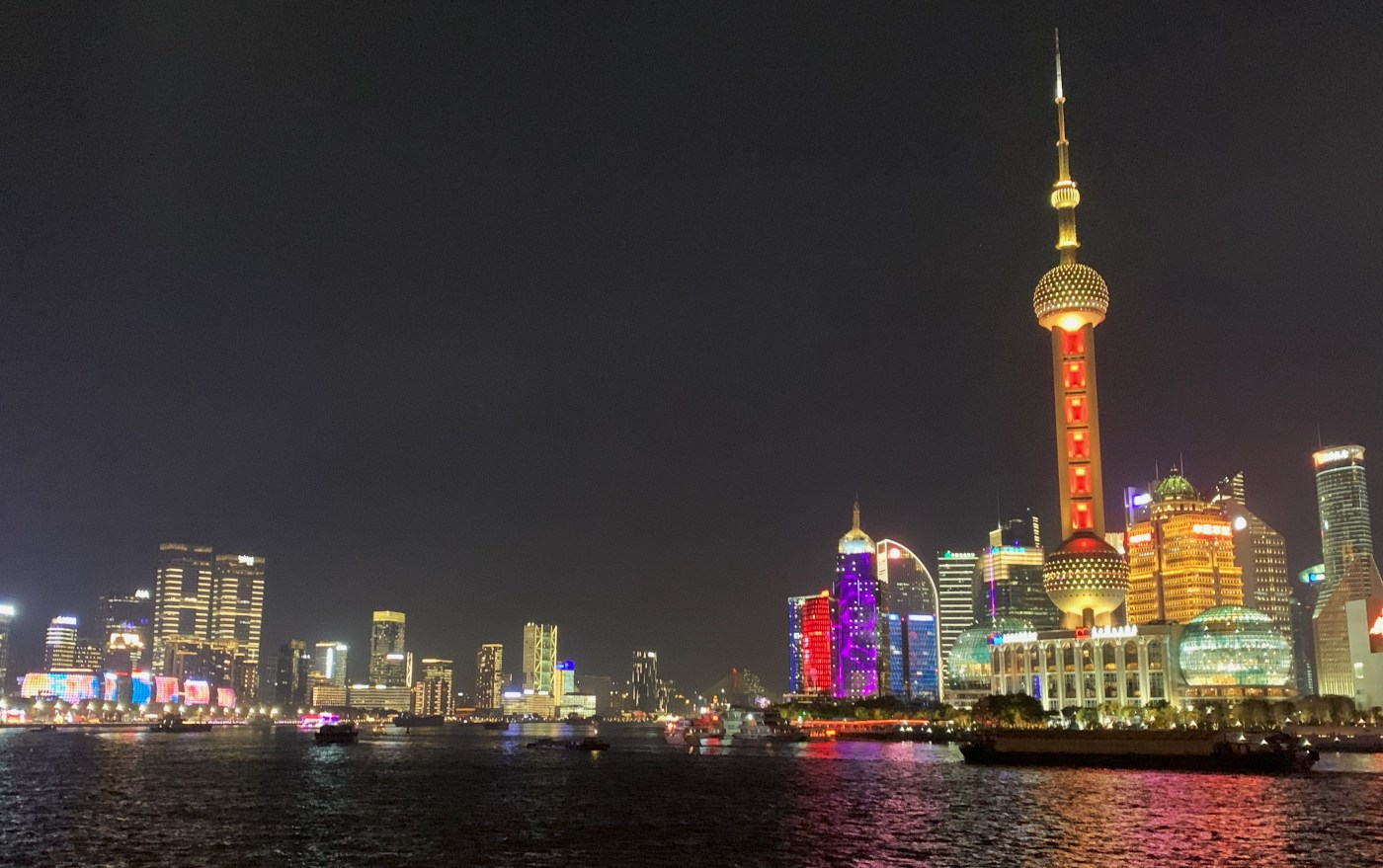
Life truly takes unexpected turns, and you should never assume you know what lies just around the corner. Since I last wrote and wondered what it would be like to follow in my relatives’ footsteps in China, I’ve actually had the chance to do so, though on a much smaller scale.
Through my job, I recently had the opportunity to visit China for a few days. I haven’t been in China for over 40 years, so I was naturally very interested in seeing it again. (You can read a bit about the trip to China in 1983 here.) We were headed to a smaller city (well, small by Chinese standards, as Wuxi in the Jiangsu Province has nearly 7.5 million residents). My stay lasted three intense days, which weren’t at all related to mission history, but during which I still got a sense of the environments my relatives must have encountered during their time in China.
Among other places, we visited the city of Jiangyin, which lies on the southern bank of the Yangtze River – a river that my ancestors actually traveled on when they journeyed from Shanghai deeper into China to reach their mission stations.


It was lovely being by the river, feeling the light breeze and enjoying a lunch that included, among other dishes, some fish supposedly caught right there. I could not help thinking that maybe the missionaries got to taste the same kind of fish during their boat trip from Shanghai to Wuhan (previously Hankow)? After reaching Wuhan, the food would become less varied as they traveled inland with ox carts or mules, set on reaching the Shanxi and Shaanxi provinces where the Swedish Mission in China had their stations.

In her own book “Amongst the Chinese people”, my great grandmother Olga described her first journey on the Yangtze River like this:
“A boat trip on the Yangtze River up to Hankow. We were dressed in Chinese clothes and therefore traveled in the Chinese class. It was very crowded and not particularly pleasant, but we had the opportunity to see and experience a little of what travel was like for the Chinese. Many lay in their partitioned sleeping berths, smoking opium, and as we often had to pass by them, the pungent, stifling odor made us quite ill. Others lay on their bundles out on deck, packed tightly together.”
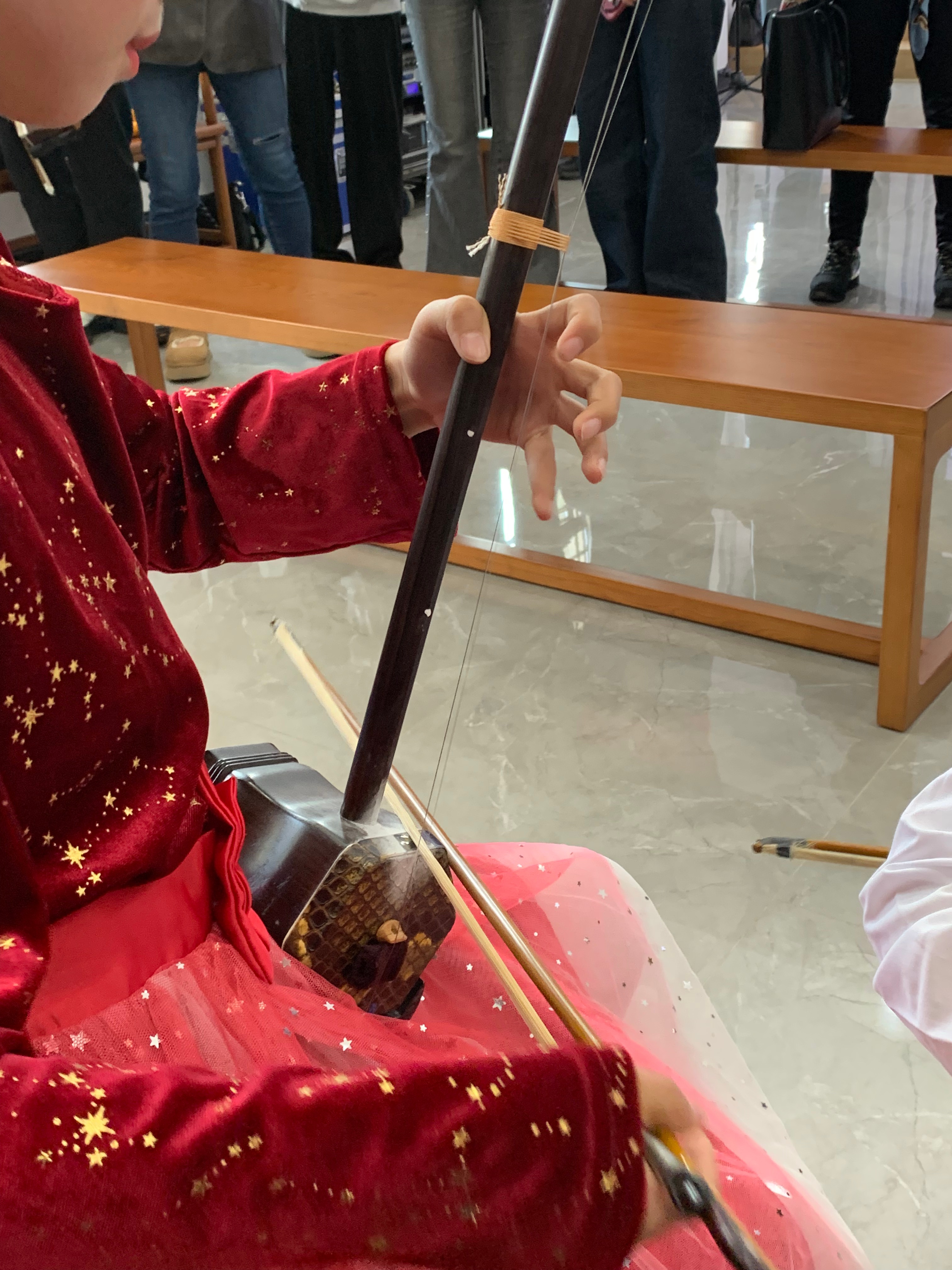
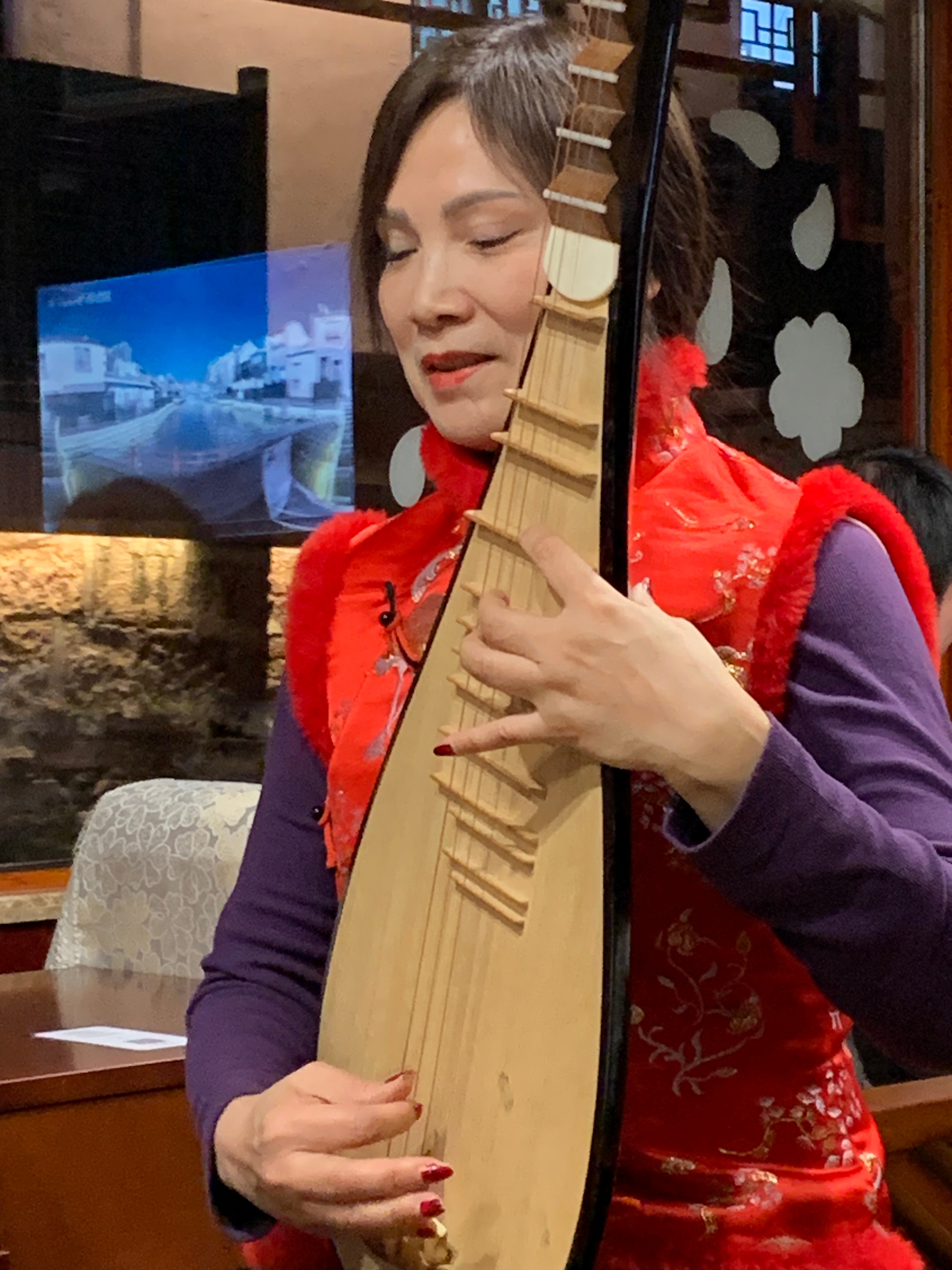
I did not have the opportunity to go on a boat trip on the Yangtze river myself, but during our visit, we got a taste of some ancient Chinese culture. We watched a Chinese opera performance, and I can imagine my ancestors might have experienced something similar during their time in China – just like they might have listened to the beautiful sounds of traditional instruments like the Erhu and Guqin.

But what really felt like walking in my relatives’ footsteps was the short time we had in Shanghai. For just over an hour, I got to stroll along The Bund and admire the beautiful buildings lining the city’s waterfront.
These buildings have been standing here since my ancestors arrived more than a hundred years ago, and this is where I know they spent at least some time. They first landed in Shanghai by boat and stayed at the China Inland Mission to settle in and get fitted for Chinese clothes before heading inland. Maybe they passed by the historic Peace Hotel or visited one of the banks along the waterfront. Perhaps they stood by the side of the river at night, feeling that this was their adventure, their mission that was about to finally get started. They visited Shanghai several times during their many years in China, and saw how the city changed over time.


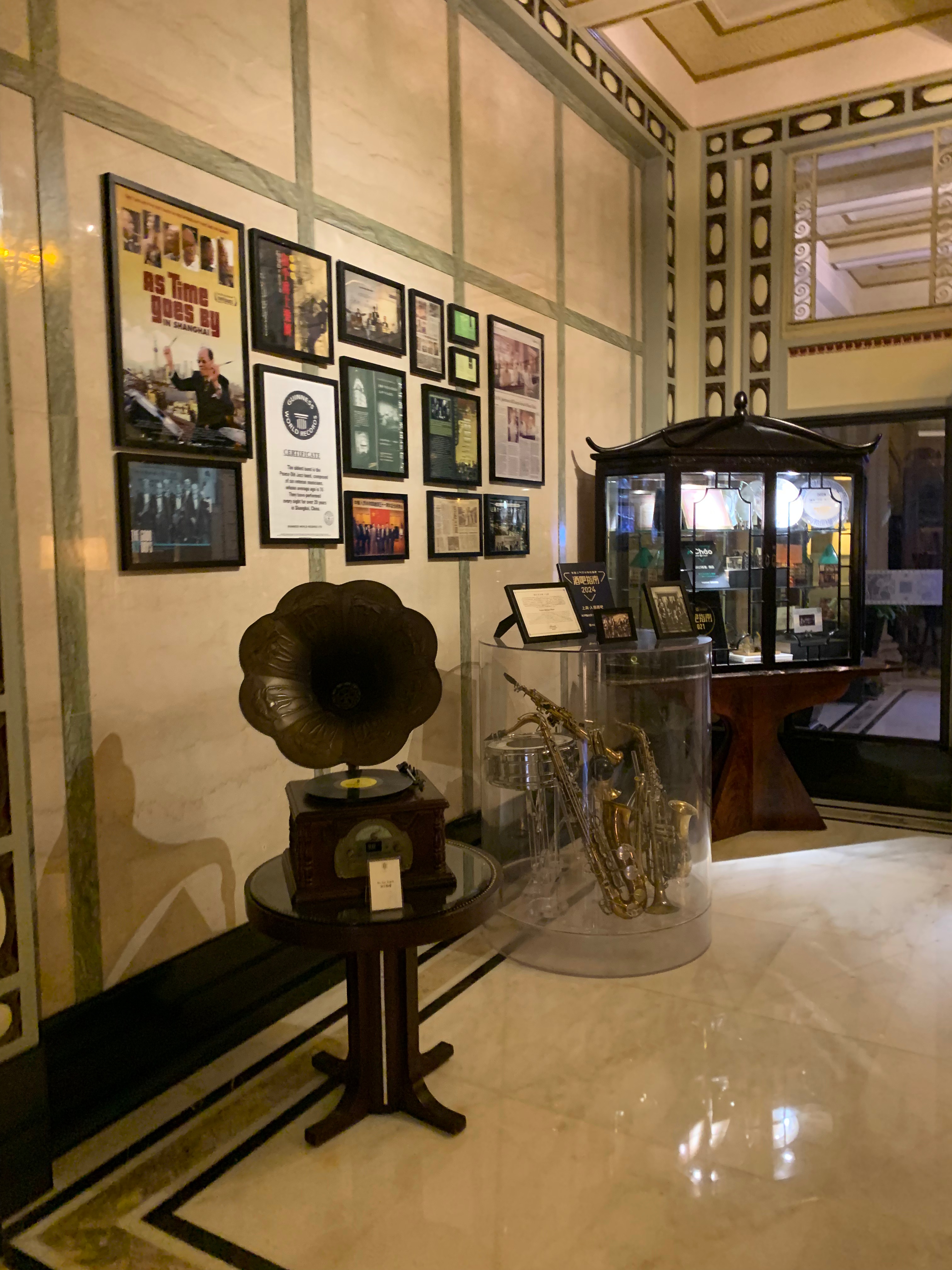
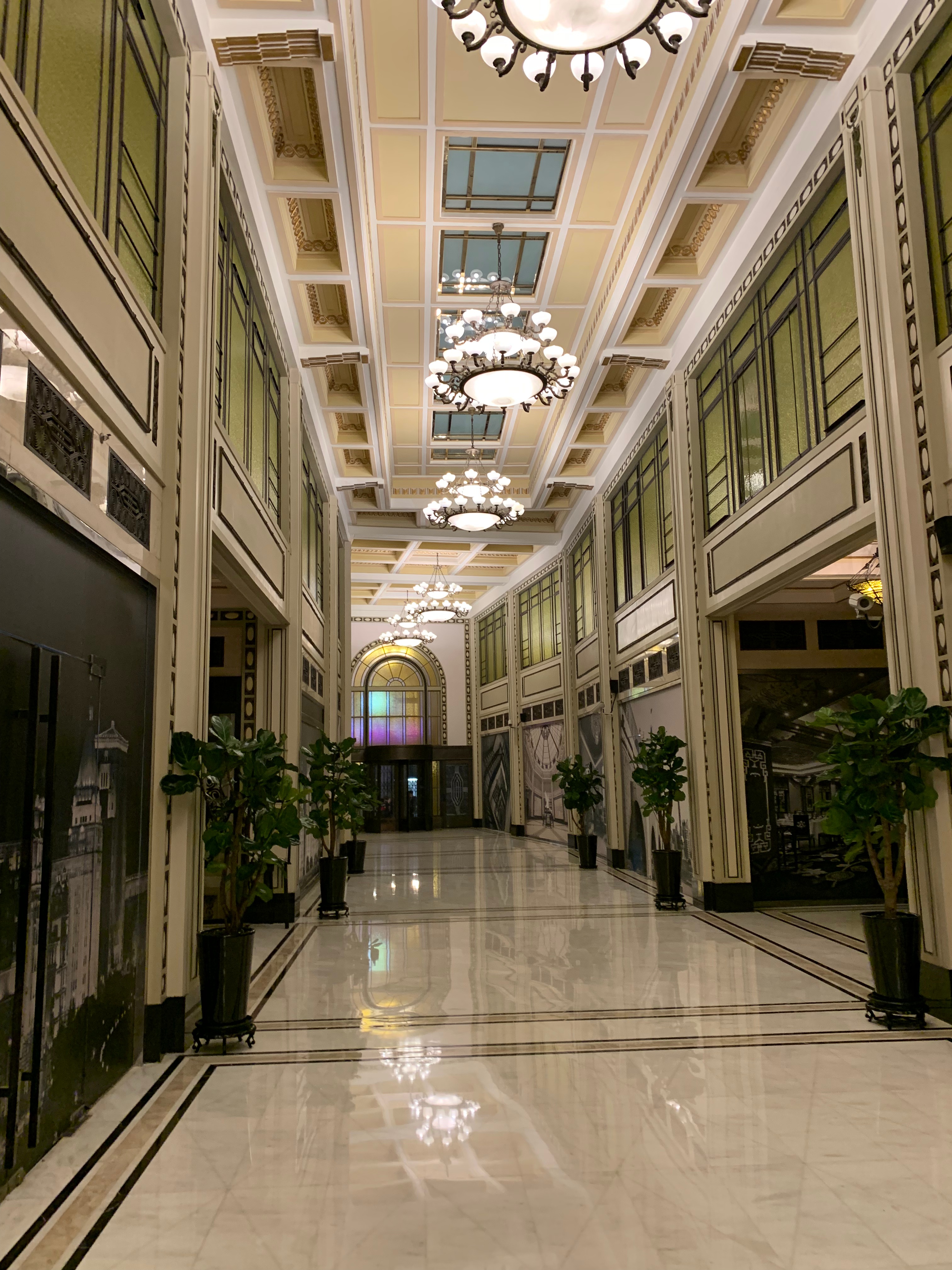
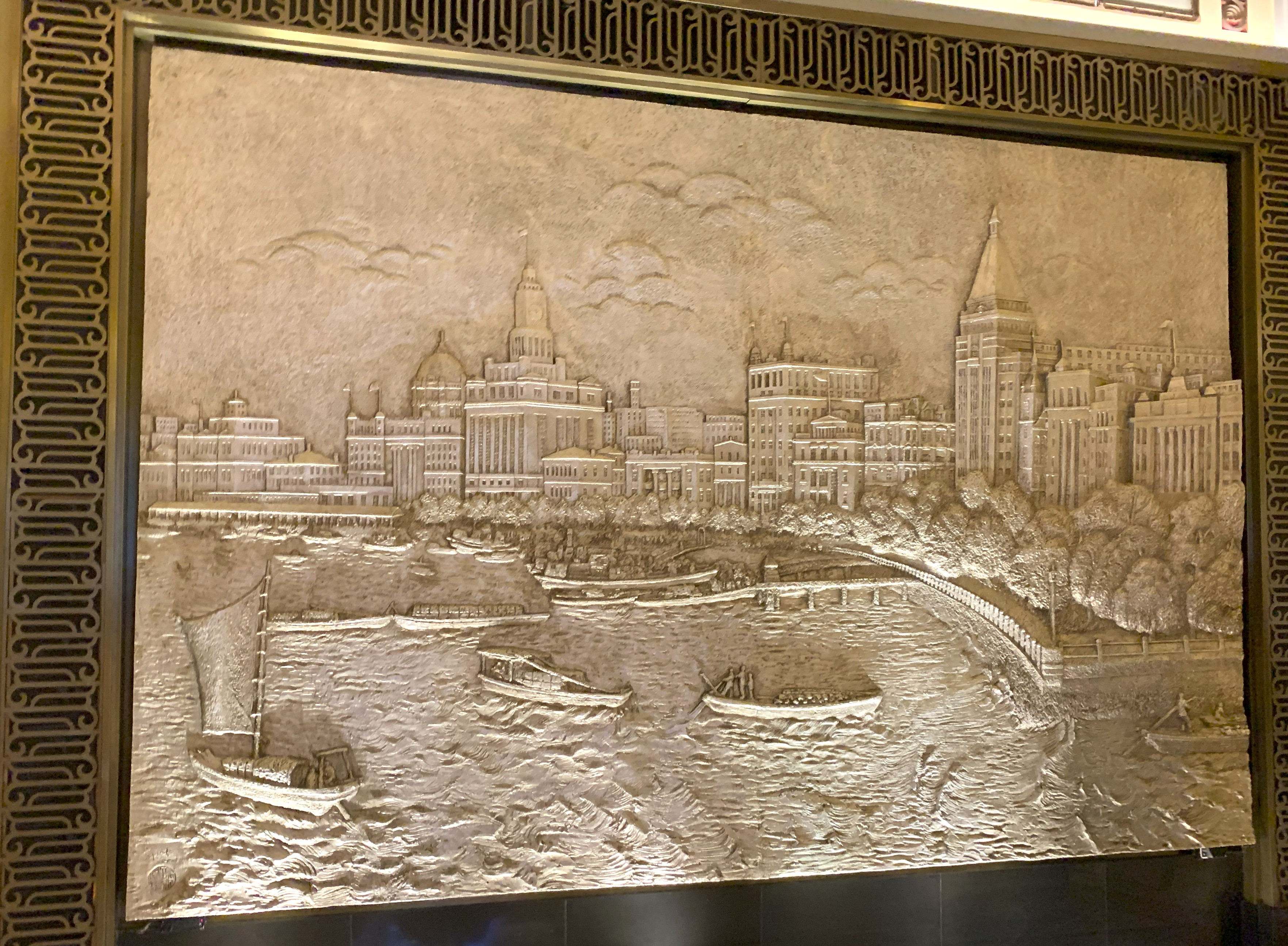

Inside the Peace Hotel, there were reliefs showing what the Bund looked like in the early 1900s.
Even though it was such a short visit, it was an amazing feeling to walk where I know Dagny, Robert, Olga, and Nils walked all those years ago. Of course, China looks completely different today compared to back then, but at least these buildings have stood the test of time. Everything else is a whole different world – not just compared to a century ago, but even to forty years ago when I last visited China.
When I was there in 1983, there were many more bikes than cars on the streets, foreigners were a rare sight, and the range of shops and goods was very limited. That is very different today, when you can shop anything you like and I did not see anyone riding a bike in the dense Shanghai traffic… not to mention all the tourists that were visiting Shanghai this time around.
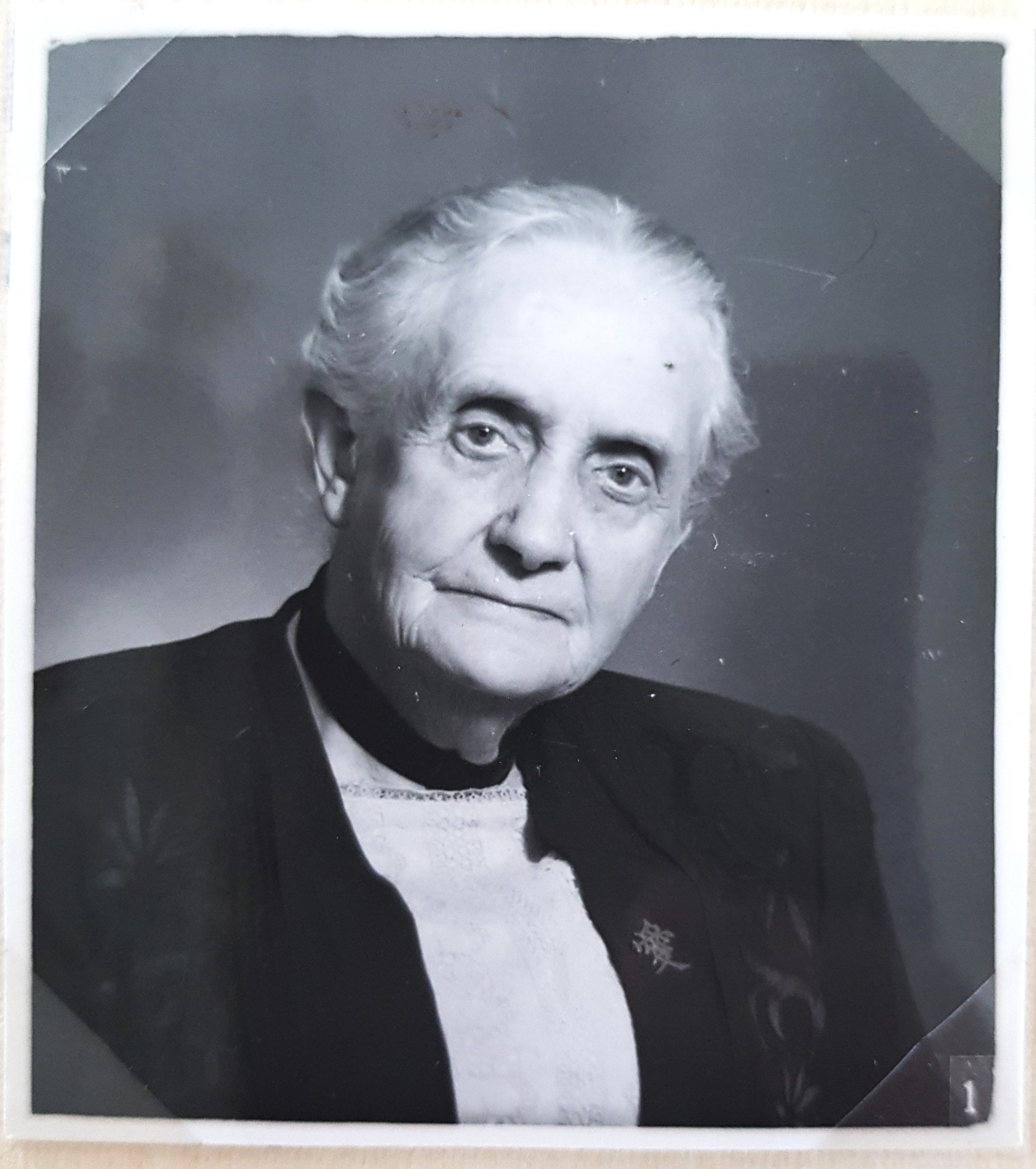
Dagny wrote about her first encounter with Shanghai in her book “Memories and impressions”:
“The passengers on the large ocean liner had their eyes fixed on the land. A few missionaries, standing together, remained completely still. Prayers rose silently from the depths of their hearts, asking for grace to be a blessing to the people to whom God had sent them. Everything was observed with great interest. Small houseboats passed by. A Chinese woman, surrounded by her children, was eating a meal.”
Olga also recounts her first encounter with Shanghai:
“On November 4, 1905, we – that is, Miss Judit Gustafsson (now Mrs. Högman) and I – arrived in Shanghai. One of our missionaries met us there. Everything was so new and fascinating to us. During the journey, we had traveled with a young Chinese girl who had spent two years at the China Inland Mission in London and spoke English very well. She was also a devout Christian. (…) We stayed in Shanghai for several days, as we needed to purchase fabric and have Chinese-style garments made for us, along with shoes – for at that time, we were not allowed to wear foreign shoes with Chinese clothing.”
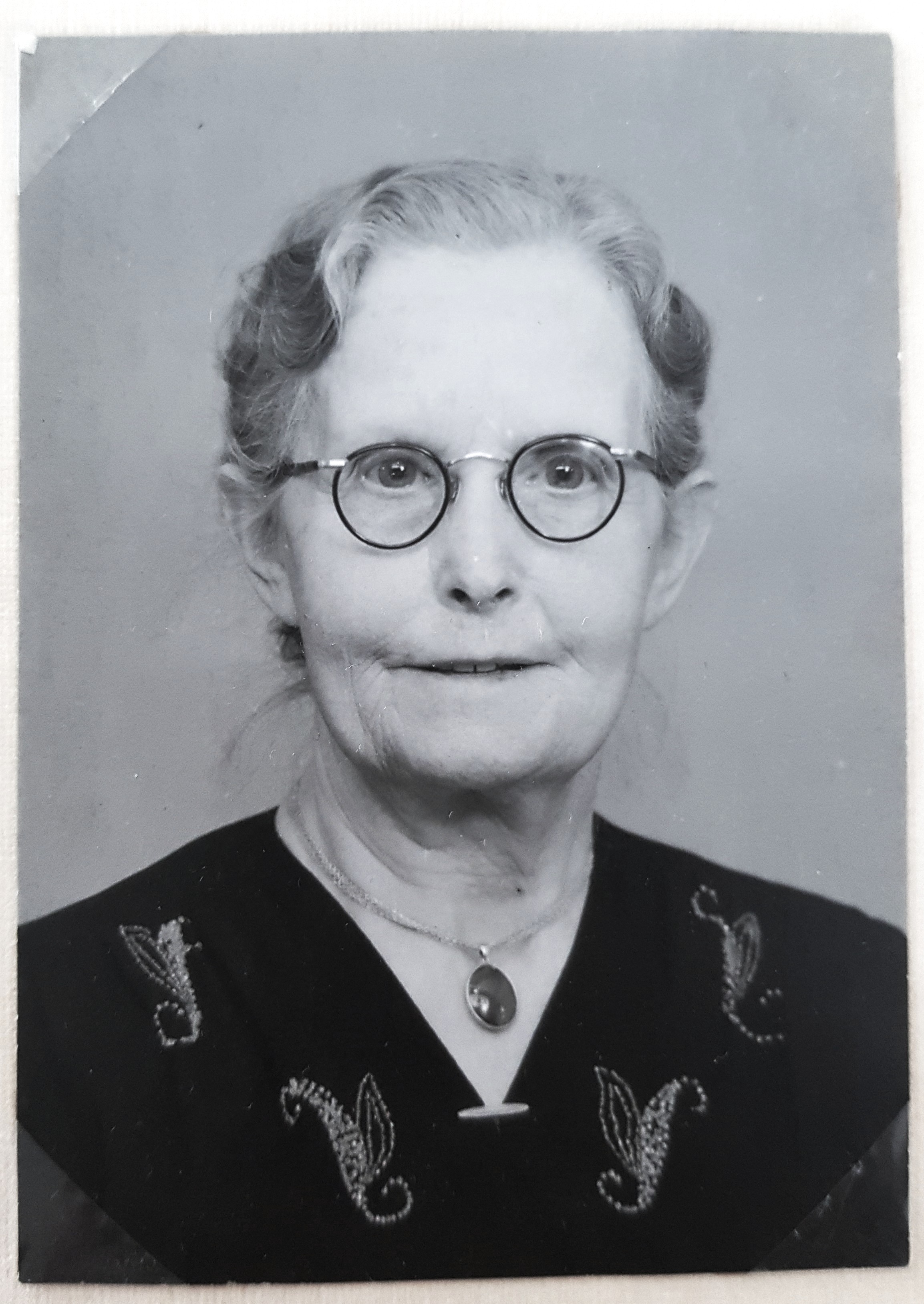
My relatives arrived in China in the late 1800s and early 1900s, a time when the experience was vastly different from what we know today. Arriving in Shanghai by boat must have been quite an experience, especially after weeks at sea. It’s hard to imagine that kind of journey when, in today’s world, one can simply board a plane and be in China within a day.
Returning to China after more than forty years, and getting a small glimpse of the path my ancestors once walked, was a very interesting experience. It will take some time to fully process everything I have seen and felt. In any case, I think he impressions from this short journey will be valuable when I continue to explore my relatives’ adventures in China, and I will surely get back to this visit in blog posts to come.


Some years ago I visited China as part of a group. An elderly couple also joined and, like you, having been in China many years before, they had the same experience as you had: no more bikes and a lot of (electric) cars as well as even more all electric scooters/mopeds. I found it a fascinating trip in a at first glance very modern country that seemed in a hurry to catch up, to prosper, to enterprise as much and as quickly as posible, almost frantically as if one never could know how long it would last. I really wanted to see Shanghai and luckely I did. Your pictures bring a smile to my face, the wonderful Bund and at the other side of the river the fantastic light show of the new quarter on land that only a few years before was still a swamp. I envy you having been in China 42 years ago and being able to notice the changes, that must have been enormous. I think back then you were much closer to the China of your family members then now, not only in time but also in atmosphere. But the river still floats quietly to the sea and in the silence of the country side one can still hear the ancient songs that rise from the rice fields.
LikeLiked by 1 person
Dear Peter, thank you for your insightful comment! You are right, China does strike you as in a hurry. And they have done extremely much in a short amount of time.
There are highrises and cars everywhere. It takes a long time by car to go anywhere within the city and and even in the smaller city of Wuxi I did not see much greenery or pedestrian areas.
But where there is a river, there is a timelessness and a sense of natural belonging that cannot be built away. Coming from Stockholm, with all our waterways and closeness to nature, that kind of scenerey
spoke to me the most. I tried to picture the Bund as it must have looked in the early 1900s, bustling with salespeople, food stalls, and coolies offering their services. It must have been such an overwhelming sight for the missionaries — especially the Swedish ones, coming from a country even more sparsely populated then than it is today. To me, it was something quite special as well – much larger and louder than I had imagined. I would like to spend a bit more time there – to walk around and perhaps visit the old location of the China Inland Mission. But at least I got a small glimpse – very happy about that!
LikeLiked by 1 person
What a thrilling visit for you! Thank you for sharing it with us. What are the illuminated buildings on the right in your header photo?
LikeLiked by 1 person
Yes, it was very exciting! The header photo is the opposite side from “The Bund”, across the Huangpu river – the Pudong skyline. Lot’s of modern buildings, so quite the opposite to the old buildings that took most of my attention 😀.
LikeLiked by 1 person
I would have been more interested in the old buildings, too.
LikeLiked by 1 person
Of course!! 😄
LikeLiked by 1 person